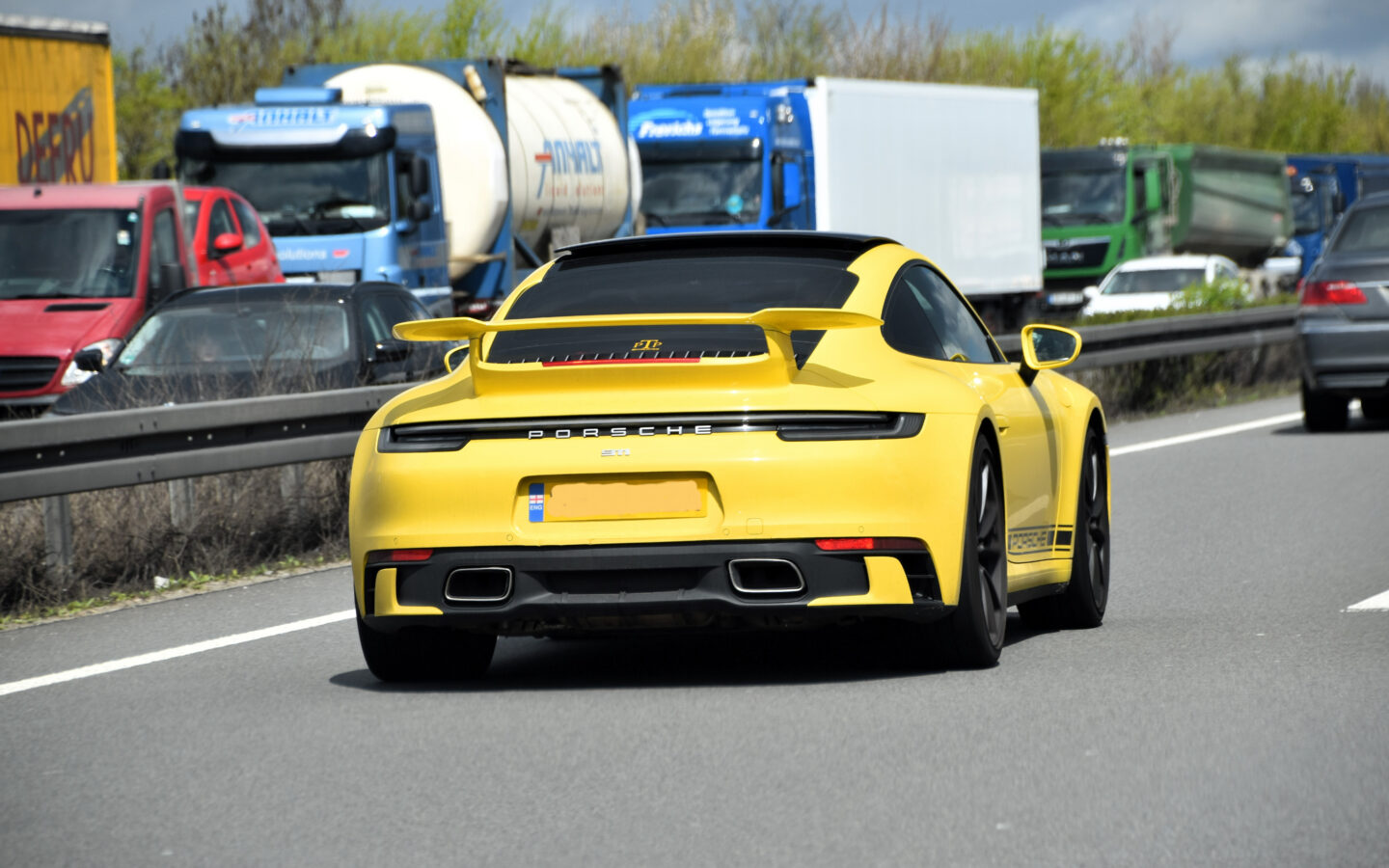
Porsche delivered 16% fewer vehicles worldwide in the first nine months of 2026, another sign that the German sports-car maker is struggling with weak demand in China, product-transition issues and a luxury market that has become less forgiving. The Volkswagen Group brand said the decline also reflected the phase-out of its 718 model line and a deliberate strategy to prioritize pricing and brand value over maximizing unit volume. The results add pressure on Porsche as it tries to manage electric-vehicle investment, tariffs and changing customer demand without undermining the exclusivity that supports its margins.
China remains the most difficult market
China was once one of Porsche’s most important growth engines. Rapid wealth creation and strong demand for premium European brands helped push sales higher for years. That environment has changed. Chinese consumers now have far more domestic luxury and performance options, including electric vehicles with advanced software and lower prices. Economic weakness and a property downturn have also reduced discretionary spending among some affluent buyers.
For Porsche, this creates a difficult choice. Cutting prices aggressively could protect sales volumes but damage brand positioning and resale values. Management is instead emphasizing “value over volume,” accepting lower deliveries rather than chasing market share through discounts.
The 718 phase-out created a product gap
Sales were also affected by the discontinuation of the 718 Cayman and Boxster line in several markets. Model transitions can create temporary delivery declines even when underlying demand remains healthy because factories must retool and dealers have fewer vehicles available.
Porsche is preparing future products as emissions rules and technology requirements change. The company has also had to reassess the speed of its electric transition. Earlier industry expectations assumed premium buyers would shift rapidly toward battery-electric vehicles. Demand has proven more uneven, forcing automakers to maintain combustion-engine and hybrid options for longer.
Luxury carmakers are under pressure from both directions
Porsche sits in an unusual position between mass-market manufacturers and ultra-luxury brands such as Ferrari. Its volumes are large enough that factory utilization matters, but its pricing depends on customers perceiving the brand as exclusive. That makes market downturns difficult to manage.
If Porsche increases incentives too much, it risks weakening residual values and customer perception. If it protects pricing, factories and dealers may operate below ideal volume. Management’s current strategy favors the second option, arguing that long-term desirability is more valuable than short-term unit growth.
European manufacturers are losing ground in China
Porsche’s difficulties are part of a broader challenge for European automakers. Chinese brands have improved dramatically in design, battery technology, software and manufacturing speed. Companies such as BYD have expanded globally, while newer premium brands compete directly with German manufacturers on technology and performance.
European groups also face political tension. The European Union has imposed tariffs on Chinese-made electric vehicles, while China remains a critical sales and production market for companies including Volkswagen, BMW and Mercedes-Benz. Trade friction therefore creates risks in both directions.
Electrification has become more expensive than expected
Porsche invested heavily in electric vehicles, including the Taycan and electric Macan, expecting battery-powered models to become a larger share of luxury demand. The technology remains strategically important, but consumers have not shifted at the same pace in every region.
Charging infrastructure, resale values and battery costs continue to affect purchasing decisions. Wealthy customers may also prefer to own multiple vehicle types rather than replace combustion sports cars entirely. Porsche has responded by keeping more flexibility in its powertrain roadmap.
Tariffs and regulation add another layer of complexity
The company must plan vehicles years in advance while governments continue changing emissions rules and trade policy. European regulations encourage lower fleet emissions, but political leaders are debating whether deadlines for combustion-engine restrictions should be softened. The United States has also used tariffs and local-production incentives to reshape the auto market.
For a relatively small manufacturer such as Porsche, adapting the same model to multiple regional rules can be expensive. Larger groups can spread development costs across millions of vehicles. Porsche relies more heavily on high margins per vehicle.
Personalization is becoming more important
Sales chief Matthias Becker said the company is focusing on desirable sports cars, appealing derivatives and expanded individualization. That strategy aims to increase revenue per customer even if total deliveries decline. Porsche’s customization programs allow buyers to spend significant amounts on paint, interiors, performance options and special editions.
This approach resembles the strategy used by ultra-luxury brands, where scarcity and personalization support strong pricing. If successful, Porsche could protect profitability with fewer vehicles. But it requires customers to remain enthusiastic about the brand and willing to pay premium prices.
Investors will watch margins, not just deliveries
A 16% sales decline is significant, but unit volume alone does not determine financial performance. Investors will focus on operating margin, average selling price, cash flow and inventory. A company can sometimes earn more money selling fewer vehicles if pricing is stronger and incentives are lower.
The risk is that fixed manufacturing costs become harder to absorb when production falls. If demand remains weak for several years, Porsche may need deeper restructuring rather than simply accepting lower volumes.
The brand’s relationship with Volkswagen matters
Porsche benefits from being part of Volkswagen Group because it can share platforms, technology and purchasing scale. At the same time, Volkswagen itself is undergoing major restructuring as it deals with weak European demand and Chinese competition. Group-wide cost pressure could affect investment decisions at Porsche.
Porsche AG also has public shareholders, creating additional pressure for transparency and returns. The company must balance the strategic priorities of Volkswagen, the Porsche-Piëch family interests and outside investors.
2027 will be a test of whether the decline is temporary
The key question is whether the 2026 delivery drop reflects a transitional year or a more persistent loss of demand. If new models restore growth and China stabilizes, the decline may look temporary. If Chinese consumers continue moving toward local brands and global luxury demand stays soft, Porsche may have to rethink its growth assumptions.
Management’s “value over volume” message is credible for a premium brand, but it does not remove the need for healthy product demand. Porsche still needs enough customers to support factories, dealers and future technology investment. The next several quarters will show whether protecting exclusivity can offset a 16% fall in deliveries or whether deeper changes are required.


Sources
- Porsche AG delivery and sales statements, Oct. 9, 2026
- Volkswagen Group market disclosures
- Reuters, Oct. 9, 2026