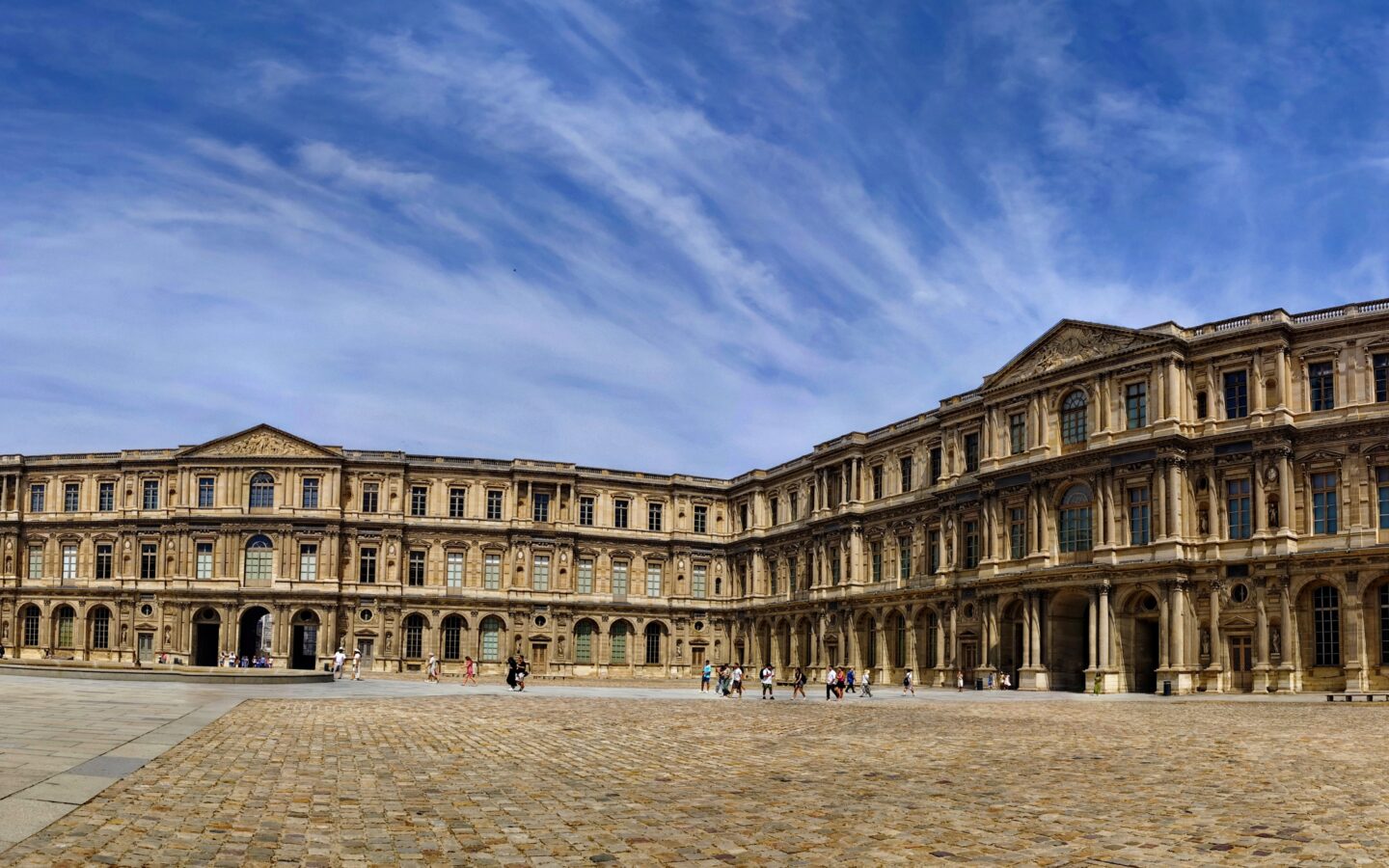
The Louvre could eventually be forced to close to the public unless France undertakes a major renovation of the museum’s aging infrastructure, its president Christophe Leribault has warned. Leribault is seeking political support for an overhaul estimated at about €1 billion, arguing that overcrowding, deteriorating building systems and long-term maintenance needs threaten the world’s most visited museum. The warning raises difficult questions about how France finances cultural heritage at a time of tight public budgets.
The building is under heavy pressure
The Louvre receives millions of visitors each year, placing enormous strain on entrances, galleries, climate-control systems and public facilities.
A palace complex that was never designed for modern tourism must handle museum crowds on an industrial scale.
Overcrowding affects the visitor experience
The Mona Lisa is the most famous example of congestion, with large crowds gathering in a limited space. But pressure extends to corridors, ticketing areas and security checkpoints throughout the museum.
Long queues can reduce the amount of time visitors spend with the collection.
Renovation would be a long-term project
A €1 billion overhaul would likely involve multiple phases to avoid shutting the entire museum at once. Work could include structural repairs, climate systems, accessibility and visitor circulation.
Major cultural projects of this scale often take years and face cost inflation.
Political support is essential
The Louvre is a national institution, so government financing and approval are central. Leribault appealed to France’s future government to treat the project as a strategic cultural investment.
Budget pressures may make that difficult.
Tourism revenue strengthens the case
The museum is not only a cultural asset but a major driver of Paris tourism. Visitors who come for the Louvre also spend on hotels, restaurants and transport.
A prolonged closure would therefore have economic effects beyond ticket revenue.
Conservation requires stable conditions
Thousands of artworks depend on carefully controlled temperature and humidity. Aging mechanical systems increase risk to collections as well as visitor comfort.
Preventive investment is often cheaper than emergency restoration after damage.
The Louvre has modernized before
The museum underwent major transformation during the Grand Louvre project, including the construction of I.M. Pei’s glass pyramid. That project reshaped visitor access and museum operations.
The current challenge is different because existing modern infrastructure is now aging.
Digital access cannot replace the physical museum
The Louvre has expanded online collections and virtual resources, but the institution’s value depends heavily on experiencing original works and historic spaces in person.
Digital tools can reduce pressure only at the margins.
Security is another concern
Large visitor numbers require sophisticated screening and crowd management. Renovation may allow the museum to redesign entry flows and emergency procedures.
France faces competing heritage needs
The Louvre is not the only historic institution requiring investment. Churches, monuments and regional museums across France also need restoration funding.
That makes a billion-euro request politically sensitive.
Closure warning is meant to force urgency
Leribault’s statement does not mean the Louvre is about to shut immediately. It is a warning that continued delay could eventually make normal operation impossible.
The debate now shifts to whether France is willing to commit the funding needed to protect its most famous museum for the next generation.
Sources
- Christophe Leribault interview with Le Figaro
- Anadolu Agency, Oct. 15, 2026
The renovation debate also raises a basic question about capacity. The Louvre’s popularity is one of its greatest strengths, but visitor numbers can exceed what the historic complex can comfortably absorb. A future overhaul may therefore need to manage demand rather than simply create more space.
Timed entry, redesigned circulation and new exhibition areas could all be part of a solution that protects both the building and the quality of the visit.
There is also a workforce dimension. Renovation work could affect museum staff, security teams, guides and contractors for years. Careful phasing would be needed to keep major parts of the collection accessible while construction proceeds.
France will also have to decide how much of the cost should come from the state, museum revenues, philanthropy or corporate sponsorship. The funding model could become as politically important as the architectural plan itself.
The museum’s leadership is effectively arguing that postponement is itself expensive. Delayed maintenance can allow small infrastructure problems to become larger structural ones, raising the eventual cost and increasing the risk of emergency closures.