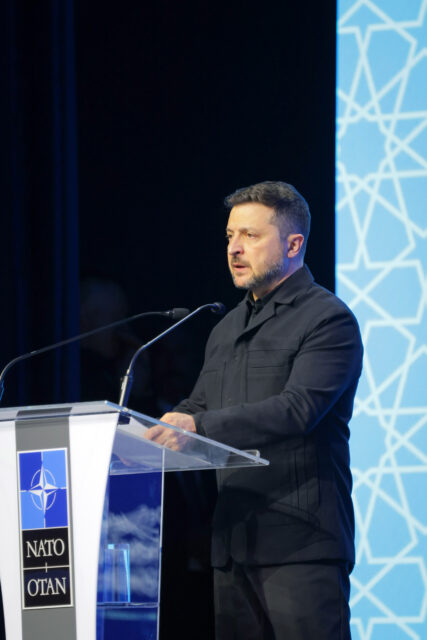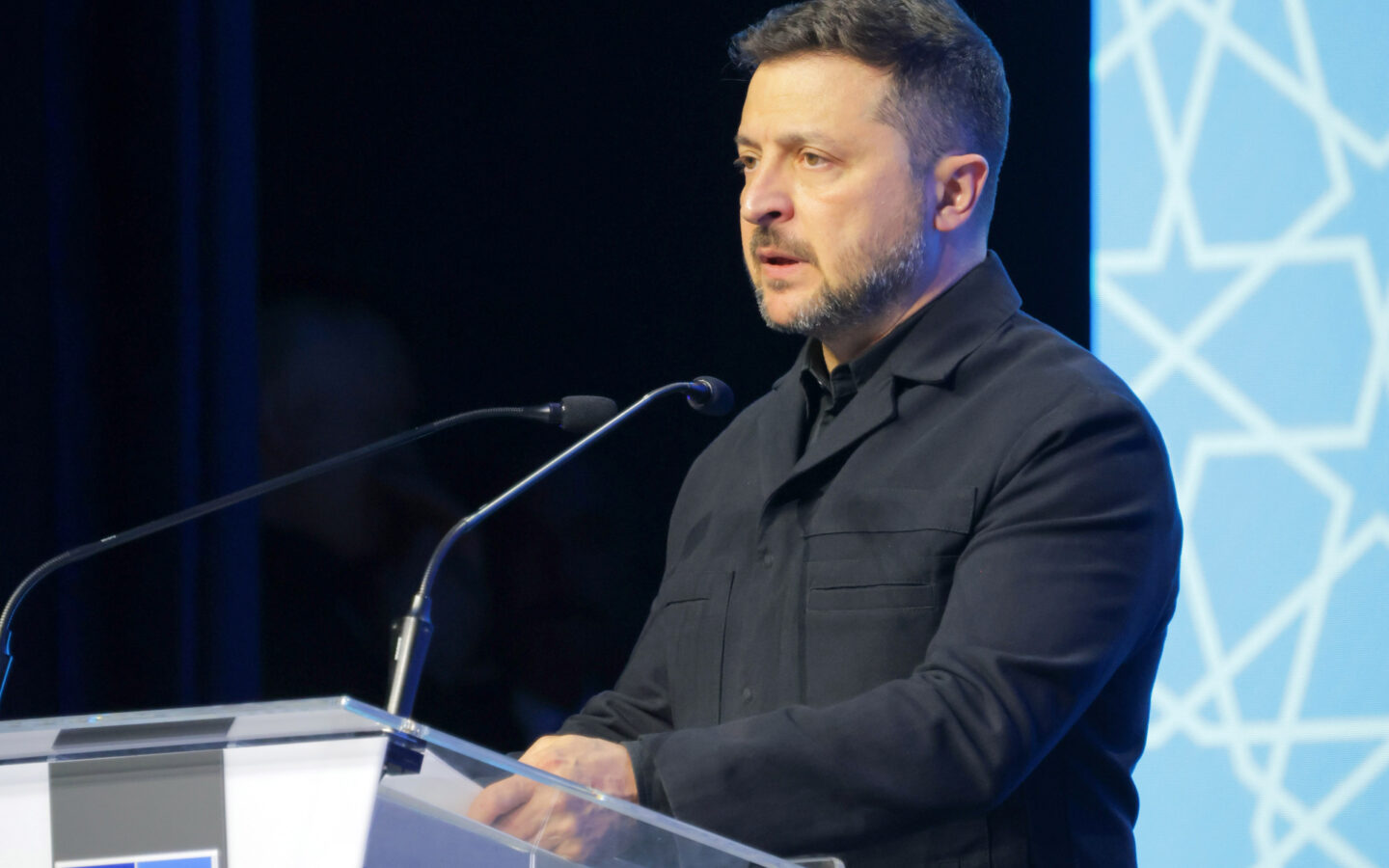
Ukraine has resumed strikes on Russian energy infrastructure after President Volodymyr Zelenskyy said Kyiv no longer considered the U.S.-brokered ceasefire on energy targets to be in force. A Ukrainian attack targeted a refinery in Russia’s Ryazan region as the political dispute between Kyiv and Washington deepened. Zelenskyy said repeated Russian attacks on Ukrainian power infrastructure had made the arrangement untenable and argued that Ukraine could not be expected to stop hitting refineries while its own energy system remained under attack.
The truce was always fragile
U.S. President Donald Trump had previously described an agreement in which Russia and Ukraine would halt attacks on energy infrastructure. Kyiv publicly questioned the details from the beginning and demanded reciprocal guarantees.
Without a jointly published mechanism, each side retained different interpretations of what was protected.
Russian attacks continued
Ukraine says Russian missiles and drones continued to hit power generation and grid infrastructure after the ceasefire announcement. Those attacks caused outages and damage in several regions.
For Kyiv, the continued pressure undermined the political case for restraint.
Refineries are strategic targets
Russian refineries produce diesel, gasoline and aviation fuel for both civilian and military use. Ukraine has increasingly used long-range drones to hit these sites.
Damage to refining capacity can affect export revenues and military logistics even when crude oil production remains intact.
Energy markets are watching closely
Diesel markets have already been tight because of disruptions in the Middle East. Renewed attacks on Russian refineries could add another source of supply uncertainty.
That makes the conflict relevant far beyond the battlefield.
Washington-Kyiv relations are under strain
Zelenskyy has openly criticized what he sees as reduced U.S. reliability. He has also raised concerns about restrictions involving military technologies and access to intelligence.
The energy dispute is becoming part of a broader argument about the future of American support.
Starlink has become another point of tension
Ukraine relies heavily on satellite communications for battlefield operations. Zelenskyy said changes affecting Starlink usage had reduced some capabilities.
Elon Musk has said military restrictions are governed by U.S. policy decisions, highlighting how private technology can become part of strategic diplomacy.
Patriot systems remain a priority
Zelenskyy said Ukraine could reconsider energy restraint if it received additional Patriot air-defense systems. Kyiv argues that better air defense would reduce the imbalance created by Russian missile attacks.
The demand ties offensive restraint directly to defensive support.
Russia says Ukraine is undermining diplomacy
Moscow has accused Kyiv of contradicting U.S. peace efforts by continuing attacks on Russian energy sites. Ukraine responds that Russia never fully stopped its own strikes.
The dispute illustrates the difficulty of enforcing partial ceasefires during an active war.
Verification remains a core problem
Even a renewed agreement would need a clear list of protected targets and a mechanism for investigating alleged violations. Mixed military and civilian infrastructure makes classification difficult.
Without monitoring, each side can use disputed incidents to justify retaliation.
The ceasefire’s collapse raises escalation risk
Attacks on energy infrastructure can trigger broader economic retaliation and increase pressure on civilian populations. They also create incentives for deeper strikes into each side’s territory.
A broader peace deal remains distant
The failure of a limited energy truce demonstrates how difficult larger negotiations will be. Territory, security guarantees, sanctions and military aid remain unresolved. For now, energy infrastructure has returned to the center of the conflict.
Sources
- Statements by Volodymyr Zelenskyy and Russian officials
- Reuters, Oct. 15, 2026
The renewed refinery campaign also creates a test for Western governments that want to support Ukraine while limiting energy-price shocks. Strikes that reduce Russian fuel exports can increase pressure on Moscow, but they can also raise diesel prices for consumers elsewhere.
That tradeoff will complicate diplomacy as winter approaches and fuel demand rises in Europe and North America.
Ukraine’s decision may also influence negotiations over sanctions. If refinery strikes reduce Russian fuel exports, Moscow may seek more relief through diplomatic channels while Western governments debate whether market stability should take priority over economic pressure.
That debate is likely to intensify because energy infrastructure sits at the intersection of military strategy, inflation and public opinion. Few targets have such immediate consequences for both the battlefield and global consumers.
Whether the renewed strikes become a sustained campaign will be the next key question. A short burst of attacks could remain a bargaining signal; a prolonged campaign would suggest the energy truce has definitively failed and that both sides are returning to economic warfare as a central strategy.