Aramco Offices Hit as Yemen Conflict Reaches Saudi Energy Hub
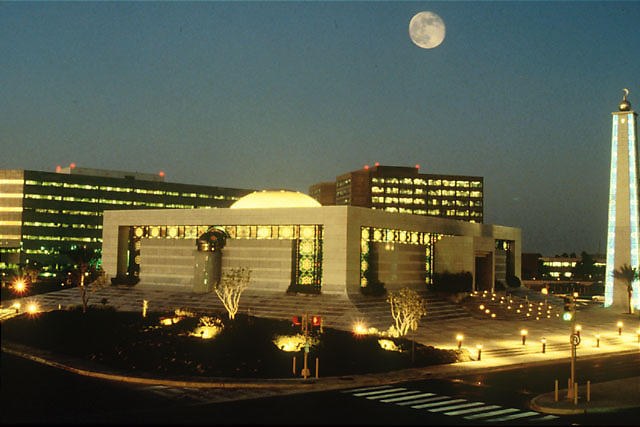
A missile strike on Saudi Aramco’s headquarters complex in Dhahran has brought the escalating conflict between Saudi Arabia and Yemen’s Houthi movement to one of the kingdom’s most recognizable energy-sector locations. Officials said an administrative building at the site was hit overnight, damaging offices used by senior executives. No deaths were reported at the building, although the incident added to growing concerns about civilian safety and the vulnerability of major infrastructure.
What officials have confirmed
Saudi Arabia’s Energy Ministry confirmed that an Aramco administrative building in Dhahran was struck. Regional officials cited by the Associated Press said upper floors used by senior company executives sustained damage. Accounts of the specific rooms affected have not been independently established in full. The distinction matters: an attack on an office building does not, by itself, establish that oil production, refining operations or export shipments were interrupted. No verified assessment of production losses had emerged in the reporting reviewed for this article.
The Houthis claimed responsibility for attacks on several Saudi targets, including Aramco facilities. The group described its actions as retaliation for strikes against sites in Houthi-controlled parts of Yemen. Its claims about targets and military effects should be separated from what Saudi authorities have publicly confirmed. The episode follows a rapid series of attacks and counterattacks that have put both aviation and energy-related locations under pressure.
Why Dhahran is significant
Dhahran is closely associated with Saudi Arabia’s state-owned oil industry and its corporate leadership. A strike there carries significance beyond the physical damage to an administrative property. It demonstrates that attackers are willing to target the headquarters environment of a company central to Saudi public finances and the global energy market. That visibility can magnify the political impact even when the immediate operational consequences are limited or uncertain.
Investors are sensitive to threats involving major oil-producing states because conflict can affect prices through expectations as well as actual disruptions. Shipping routes, insurance costs, aviation restrictions, and the security of processing and export facilities all enter the calculation. A brief incident at one location is not equivalent to a prolonged interruption in crude supply, however. Traders and readers should distinguish confirmed damage from speculation about possible knock-on effects.
The widening exchange of strikes
Saudi-led forces have struck sites linked to fuel storage and distribution in Houthi-held Yemen, according to multiple reports. Houthi forces, in turn, have launched missiles toward Saudi locations. Officials also reported interceptions near Riyadh, with debris causing injuries and property damage. These separate incidents underline the wider geographic footprint of the confrontation. Reports from the conflict zone can be difficult to verify independently, especially when both sides are releasing claims during ongoing operations.
Saudi air defenses may intercept incoming weapons without preventing all harm on the ground. Falling debris poses a risk to residents even when a missile does not reach its stated target. Businesses must also weigh staff safety and continuity planning when threats extend to office districts. The absence of fatalities at the Aramco headquarters should not be confused with an absence of danger elsewhere in the current exchange.
Energy markets face a confidence test
The immediate oil-market question is whether the confrontation remains concentrated in individual strikes or spreads to facilities essential to continuous production and exports. Facilities differ in function, and damage to a headquarters office has a different supply implication from damage to pipelines, processing plants or marine terminals. Markets can nevertheless price a higher risk premium while the prospect of more attacks remains unresolved.
Saudi Arabia is a major producer with an outsized role in global energy expectations. An increase in perceived geopolitical risk can affect refiners, airlines, freight operators and consumers well beyond the region. Yet the direction and size of any price movement depend on broader supply conditions, inventories, demand and the credibility of reports about actual damage. Claims that a particular strike alone has caused an oil shortage would require evidence not currently available.
Diplomacy and the humanitarian cost
The escalation complicates efforts to reduce violence in Yemen, where prolonged conflict has damaged essential services and restricted humanitarian access. Recent exchanges have intensified concerns for civilians living near transport hubs, fuel sites and other potential targets. Even when combatants describe such facilities in military terms, the surrounding population may face immediate consequences from explosions, secondary fires and disruption of transport.
Diplomatic channels remain important because retaliation can generate new risks faster than authorities can contain them. Reporting has pointed to mediation efforts and continuing discussion of ceasefire options, but there is no basis yet to characterize the current round of fighting as resolved. Any durable de-escalation would need to be judged by sustained reductions in attacks rather than isolated statements expressing willingness to negotiate.
What to watch next
Three developments will help determine the lasting significance of the Dhahran strike: a verified damage assessment from Aramco or Saudi authorities, evidence of any effect on normal energy operations, and whether further attacks reach additional infrastructure. Updates from official ministries and independent reporting will also be needed to establish the human impact across Saudi Arabia and Yemen.
For now, the confirmed story is serious but specific: an Aramco administrative building was struck, senior-office areas were reportedly damaged, and the wider Saudi-Houthi confrontation remains active. Broader claims about refinery shutdowns, export interruptions or lasting changes to world oil supply should not be treated as fact without separate verification.
Sources: Associated Press; Al Jazeera; The National.