A hotter-than-expected U.S. inflation report triggered a sharp selloff across some of the market’s biggest artificial-intelligence infrastructure names, erasing roughly $80 billion in combined market value from CoreWeave, Nebius, Oracle and Dell Technologies. The move showed how quickly enthusiasm for AI can reverse when investors become concerned about higher borrowing costs.
CoreWeave fell about 16%, Nebius dropped 11%, Oracle lost 9% and Dell Technologies fell around 11% after the September consumer-price report came in above expectations.
Inflation revived rate-hike fears
U.S. consumer prices rose 0.6% in September and 3.7% from a year earlier. Gasoline was a major driver, but investors also focused on signs that inflation pressure was broadening beyond energy.
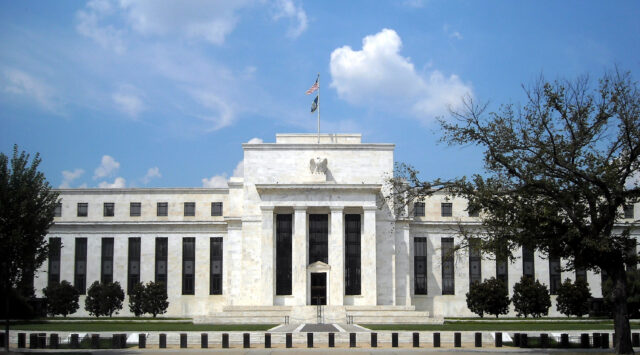
The report pushed bond yields higher and increased expectations that the Federal Reserve could keep rates high or raise them again.
AI companies are especially sensitive to borrowing costs
Building AI infrastructure requires enormous amounts of capital. Data centers, networking equipment, power connections and advanced chips often require debt financing.
When interest rates rise, those projects become more expensive and future profits are discounted more heavily by investors.
CoreWeave was hit hardest
CoreWeave fell 16% and its bond yields climbed sharply. The company has about $48 billion in debt, making it one of the clearest examples of how financing risk can affect the AI boom.
High debt is manageable when revenue and capital access remain strong, but a sudden rise in borrowing costs can quickly change investor perception.
Oracle and Dell also sold off
Oracle has become one of the largest cloud infrastructure investors tied to AI expansion, while Dell sells servers and other hardware used in data centers.
Both companies have benefited from massive AI spending, but the same exposure makes their shares vulnerable when investors question whether returns will justify the capital required.
Valuations had already become stretched
Some AI-linked stocks entered the session after enormous gains. Dell shares, for example, had multiplied several times during the year as investors priced in data-center demand.
When valuations are high, even a small change in interest-rate assumptions can produce large share-price moves.
Barclays downgraded hardware names
Barclays downgraded Dell and other enterprise hardware companies, citing concerns about valuation and the sustainability of the rally. The move added pressure to an already weak sector.
Analysts are increasingly distinguishing between companies with strong free cash flow and those dependent on constant external financing.
The Nasdaq fell about 2%
The selloff spread beyond a few individual names. The Nasdaq Composite dropped roughly 2% as investors reduced exposure to technology and semiconductor stocks.
That move reflected both inflation concerns and a broader debate over whether AI capital spending has become too aggressive.
Hyperscalers remain in a stronger position
Large companies such as Microsoft, Alphabet, Amazon and Meta generate substantial profits from existing businesses and can fund much of their AI investment internally.
Smaller infrastructure companies may rely more heavily on debt or equity markets, making them more sensitive to tighter financial conditions.
Dot-com comparisons are returning
Some investors are drawing comparisons with the late-1990s technology boom, when real technological progress was accompanied by excessive valuations and overinvestment.
The comparison does not mean AI demand is unreal; rather, it highlights the risk that some companies may spend too much or fail to earn adequate returns.
The next test will be earnings and cash flow
Investors are likely to pay less attention to headline AI announcements and more attention to revenue growth, free cash flow and debt. Companies that can demonstrate clear returns on infrastructure spending may recover faster.
The October 14 selloff showed that the AI trade is no longer immune to macroeconomic pressure. When inflation and rates rise, the cost of the AI boom becomes just as important as its growth potential.
Sources
- U.S. Bureau of Labor Statistics CPI data
- Reuters, October 14, 2026
Power costs add another layer of risk
AI infrastructure companies are not only exposed to interest rates. They also depend on large and reliable electricity supplies, making them sensitive to energy prices and grid constraints. Higher power costs can reduce project returns at the same time that borrowing costs rise.
That combination helps explain why investors reacted so strongly to the inflation report: it increased concern about both financing conditions and operating expenses for data-center-heavy business models.