NISAR Radar Time-Lapse Tracks Kamchatka Volcano’s First Eruption in Nearly Five Centuries
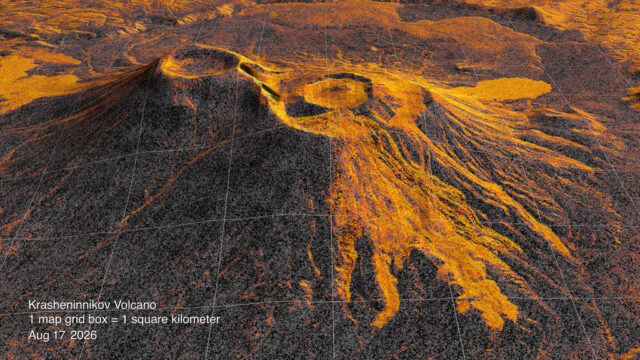
NASA-ISRO’s NISAR satellite combined 17 radar frames to show lava spreading from Krasheninnikov volcano in Kamchatka after nearly five centuries of quiet.

Research, space, climate, health science and discoveries expanding what we know about the world.
NASA-ISRO’s NISAR satellite combined 17 radar frames to show lava spreading from Krasheninnikov volcano in Kamchatka after nearly five centuries of quiet.
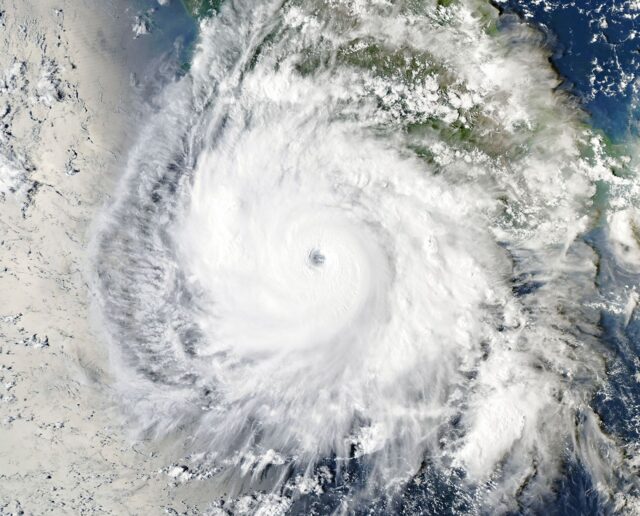
Hurricane Polo surged to Category 5 strength after gaining about 104 mph in sustained winds within 24 hours, fueled by exceptionally warm eastern…
NASA says Perseverance data from Jezero Crater point to a complex history involving ancient lakes, groundwater and hydrothermal fluids.
The 2026 Planetary Health Check concludes that seven of nine planetary boundaries have been crossed, with pressure increasing across all seven breached systems.
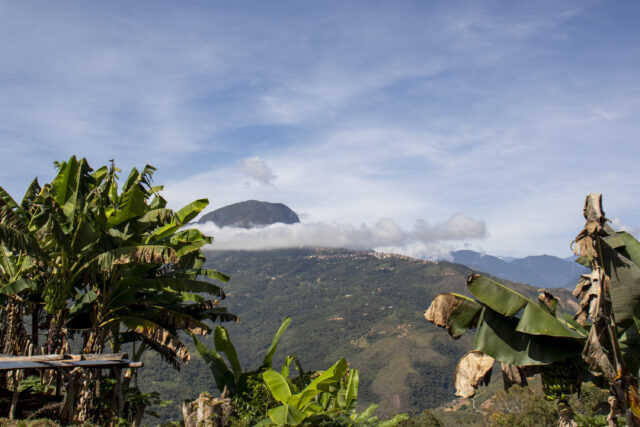
Scientists have identified Leopardus tilcayo, a tiny wild cat from Bolivia’s Yungas cloud forests, as a distinct species after genomic analysis.
Researchers studying tidal disruption events found supermassive black holes tend to launch radio-bright outflows at two distinct feeding stages.
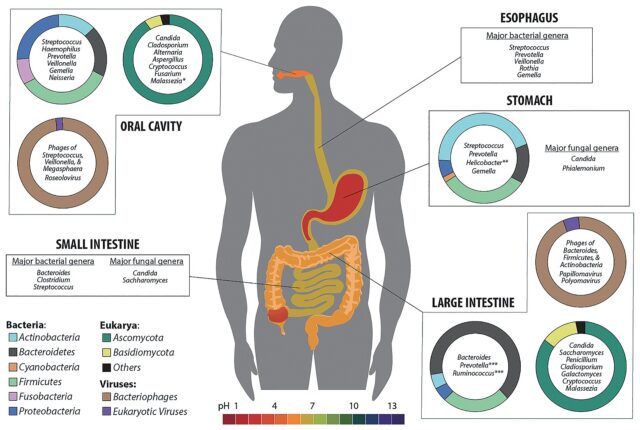
University of Louisville researchers report that a gut-microbe metabolite linked to foods such as berries and walnuts may promote intestinal repair.
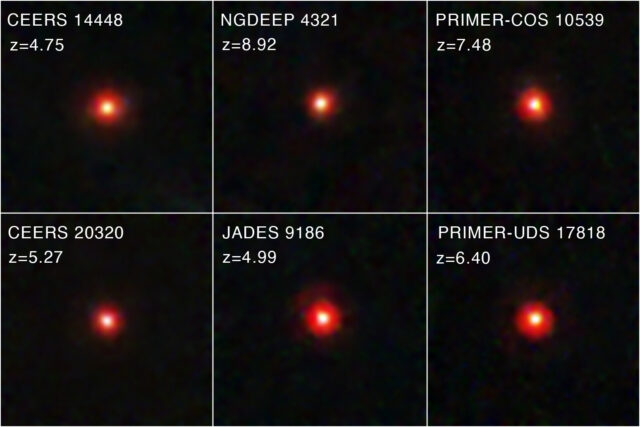
New Nature simulations suggest JWST’s “little red dots” can arise from rapidly growing black holes formed naturally in dense early-universe environments.
Astronomers have confirmed a Jupiter-mass world less than one million years old, making Elias 2-24 b the youngest known planet yet detected.
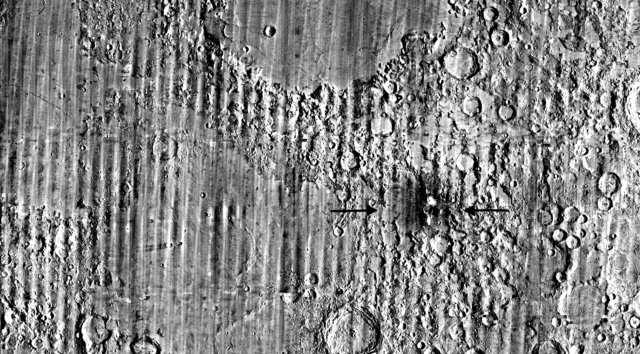
NASA’s Lunar Reconnaissance Orbiter has identified a 222-meter-wide crater formed in 2024, the largest newly formed crater yet found in the solar system.
The World Health Organization has launched a global research agenda for traditional and integrative medicine, calling for stronger evidence on safety and effectiveness.
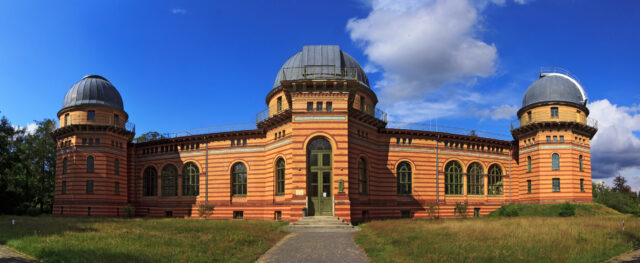
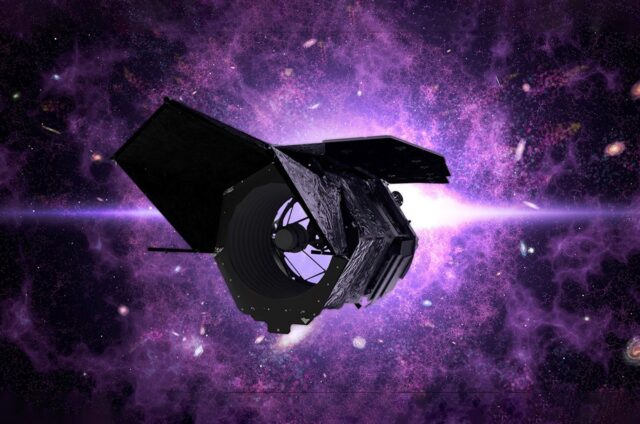
NASA says precise launch and course-correction performance could give the Nancy Grace Roman Space Telescope at least 22 years of potential science operations.