Seven of the nine planetary boundaries used by scientists to assess the stability of Earth’s life-support systems are now outside their defined safe operating space, according to the 2026 Planetary Health Check.
The annual assessment, developed by researchers led by the Potsdam Institute for Climate Impact Research, says all seven breached boundaries are showing increasing pressure. The framework tracks processes including climate change, biosphere integrity, freshwater change, land-system change and ocean acidification.
A health check for the Earth system
Planetary boundaries are not predictions that a single disaster will occur at a specific threshold. They are scientific guardrails intended to describe the range in which major Earth systems have historically remained relatively stable.
The 2026 report places special emphasis on carbon sinks and novel entities, a category that includes synthetic chemicals, plastics and other human-made substances entering the environment. Researchers warn that weakening forests, oceans and other natural carbon sinks reduces the planet’s ability to buffer human-caused emissions.
The Guardian, reporting on the assessment, said the work involved about 60 scientists and highlighted the growing risk of irreversible changes as pressure rises across multiple systems at the same time.
Two boundaries remain within the safer zone
The framework identifies stratospheric ozone depletion and atmospheric aerosol loading as the two boundaries that have not been breached globally. Scientists point to the recovery of the ozone layer as evidence that coordinated international action can change a negative environmental trend.
The authors stress that the boundaries interact. Damage to ecosystems can weaken carbon absorption, for example, while climate change can intensify water-cycle disruption. That means deterioration in one area can increase pressure elsewhere.
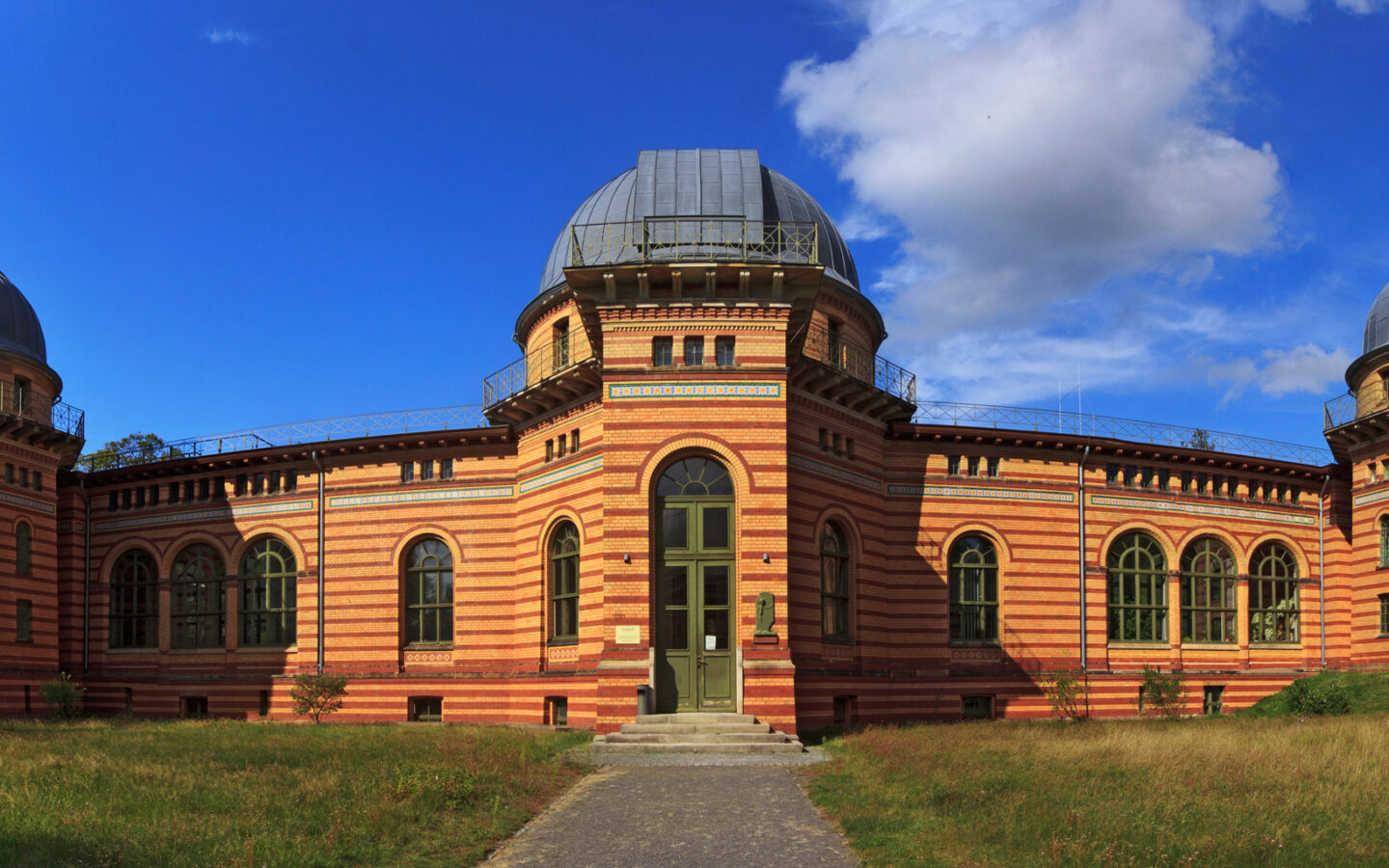
Sources: Planetary Health Check 2026 and PIK publication record (primary); The Guardian. Image credit: Potsdam Institute for Climate Impact Research building at the Albert Einstein Science Park, Wikimedia Commons.