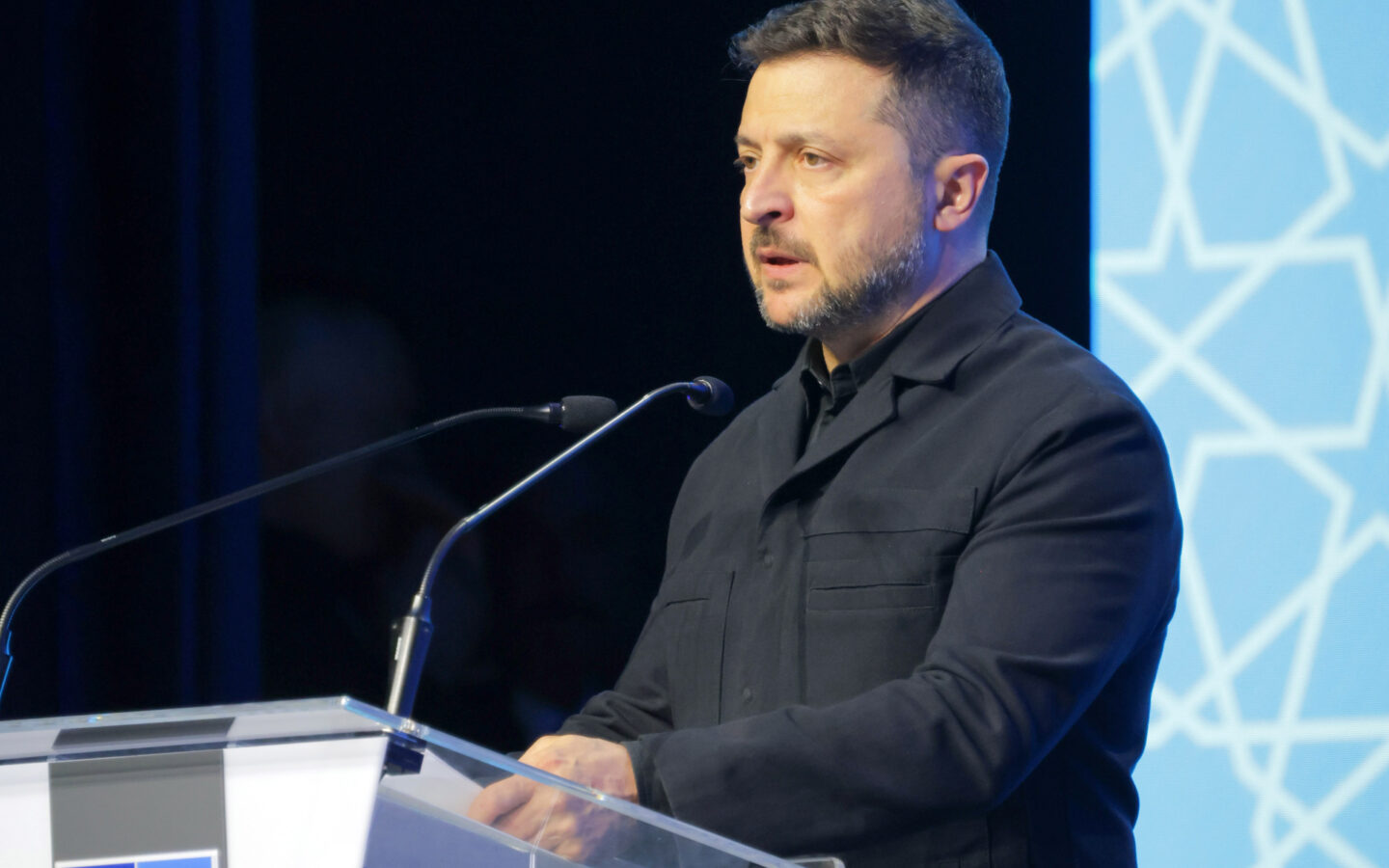
Ukrainian President Volodymyr Zelenskyy said it was “painful” to see U.S. President Donald Trump appear to take a position closer to Russia in the war and acknowledged that he felt a sense of betrayal over the shift. Speaking in an interview with Piers Morgan, Zelenskyy said Ukraine could accept a genuinely neutral U.S. role but argued that neutrality required consistent treatment of both sides.
The comments reflect growing tension between Kyiv and Washington at a critical stage of the war, as Trump pushes for political changes in Ukraine and has supported easing some restrictions on Russian energy exports.
Zelenskyy challenged Trump’s neutrality
Zelenskyy said he would not object if Trump positioned himself “in the middle” between Ukraine and Russia. His criticism was that recent statements and decisions appeared to favor Moscow.
He argued that a mediator can only be effective if both sides believe the process is balanced.
Trump called for a new Ukrainian president
The relationship deteriorated further after Trump said Ukraine should hold a new presidential election and suggested Zelenskyy should be replaced. Ukraine has not held a national election because martial law remains in effect during the war.
Zelenskyy has said elections could be discussed if security conditions allow, but Kyiv argues that conducting a nationwide vote during active war creates serious legal and practical problems.
Russian diesel policy became another flashpoint
Trump also backed steps that allowed more Russian diesel supply into global markets in an effort to reduce energy prices. Ukraine criticized the move because energy exports remain an important source of revenue for Moscow.
Washington faces a difficult tradeoff between keeping fuel prices under control and maintaining economic pressure on Russia.
Zelenskyy said the issue goes beyond personal emotion
Asked whether he felt betrayed, Zelenskyy said yes, but added that the situation was more complicated than his own feelings. He framed the dispute as a question of Ukraine’s survival and sovereignty rather than a personal disagreement with Trump.
Kyiv remains heavily dependent on U.S. military, financial and diplomatic support.
Ukraine fears losing its strongest partner
The United States has been one of Ukraine’s most important supporters since Russia’s full-scale invasion. A reduction in U.S. assistance would force European countries to carry a larger share of the burden.
Zelenskyy said losing a strong partner would be a major setback for Ukraine.
Trump is emphasizing dealmaking
Trump has repeatedly approached the war as a negotiation that should produce a rapid agreement. Ukraine worries that speed could come at the cost of territorial or security concessions.
Zelenskyy said Ukraine would not treat sovereignty as a business transaction and insisted that the country could not simply sell or exchange its future.
Europe is watching the dispute closely
European governments have increased defense spending and support for Ukraine, but replacing the full scale of U.S. capabilities would be difficult in the short term.
Any serious split between Washington and Kyiv could therefore change the balance of negotiations with Russia.
Russia benefits from divisions among Ukraine’s allies
Moscow has long argued that Western support for Ukraine will eventually weaken. Public disputes between Trump and Zelenskyy reinforce the Kremlin’s belief that political fatigue could reduce assistance.
Ukraine’s strategy depends on preventing those disagreements from turning into a collapse of military support.
Elections remain politically sensitive
Trump’s pressure for elections raises a legitimate democratic question but also creates a wartime security problem. Millions of Ukrainians are displaced, many soldiers are at the front, and parts of the country remain occupied.
Any election would require rules for displaced citizens, military personnel and Ukrainians living abroad.
The relationship could still recover
Despite the sharp language, both governments have incentives to keep communication open. Trump wants leverage in negotiations with Russia, while Ukraine needs U.S. military and economic backing.
The next phase will depend on whether Washington can reassure Kyiv that negotiations will not be conducted over Ukraine’s head and whether Zelenskyy can preserve support without deepening the political confrontation with Trump.
Sources
- Piers Morgan Uncensored interview with Volodymyr Zelenskyy
- Reuters, October 14, 2026
The dispute also arrives at a sensitive moment for Ukraine’s domestic politics. After years of wartime restrictions, questions about elections, accountability and political succession are becoming harder to postpone. Kyiv must balance democratic legitimacy with security realities while avoiding the appearance that foreign governments can dictate its leadership.