Russia struck at least six Ukrainian energy targets during overnight and morning attacks, according to President Volodymyr Zelenskiy, only hours after U.S. President Donald Trump announced what he described as an energy ceasefire between Moscow and Kyiv. The attacks hit facilities including a gas site and a petrol station and caused deaths, injuries and power outages. The Kremlin said it did not want a temporary ceasefire and instead favored what it called long-term peace, underscoring how far Trump’s announcement was from a clearly agreed mechanism.
Kyiv says six energy targets were hit
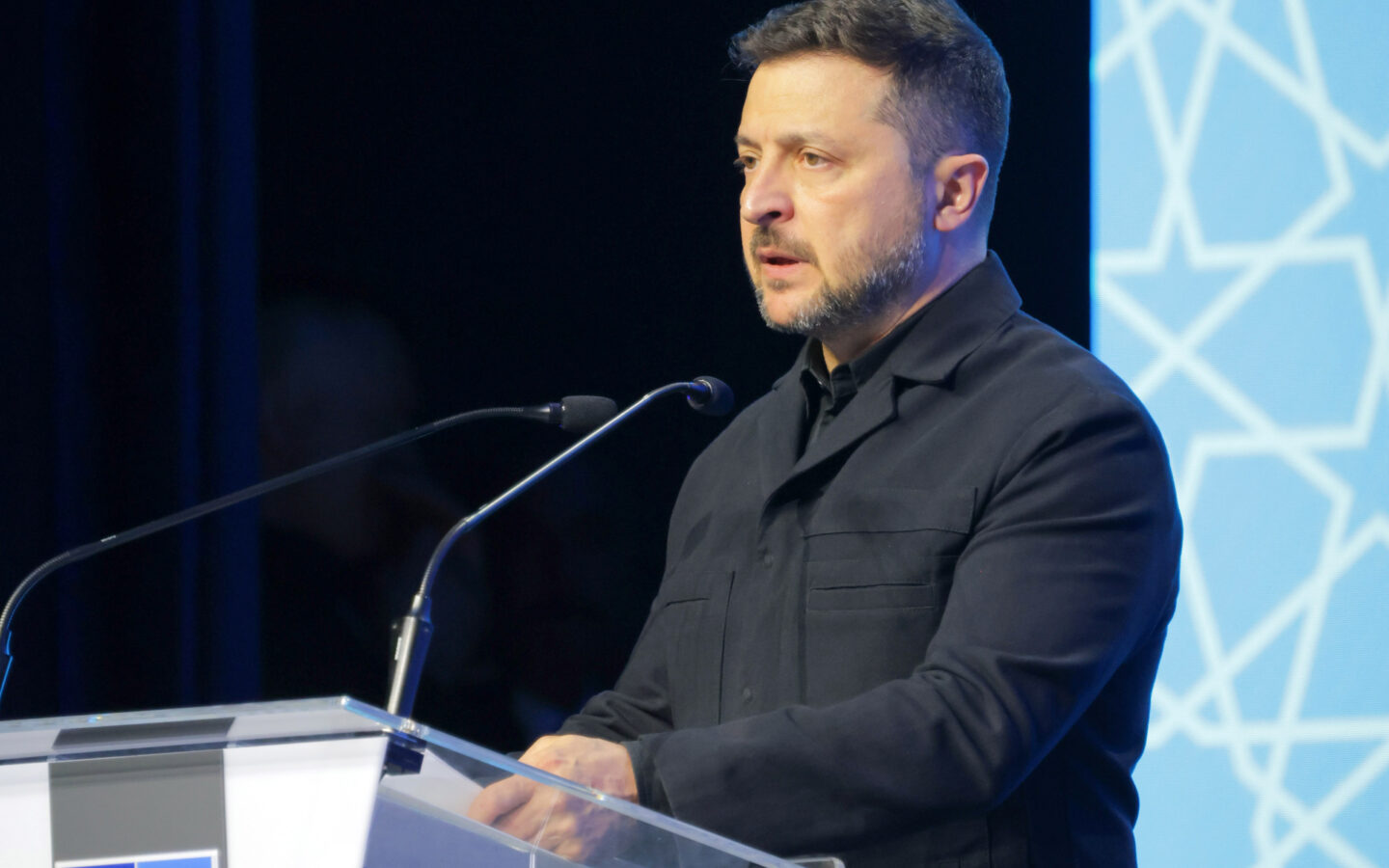
Zelenskiy said Russian drones and missiles struck multiple parts of Ukraine’s energy system.
He argued the attacks demonstrated that Moscow had not accepted the arrangement described by Trump.
Kharkiv suffered deadly strikes
At least three people were reported killed in nighttime attacks on Kharkiv, Ukraine’s second-largest city.
Further morning strikes wounded more people and damaged residential and energy infrastructure.
Western Ukraine was also hit
Ivano-Frankivsk in western Ukraine reported additional deaths in attacks over the weekend.
The geographic spread shows that Russia continues to target infrastructure far from the front line.
Trump announced a ceasefire without matching confirmation
Trump said Russia and Ukraine had agreed to stop attacks on each other’s energy systems.
Neither side issued a joint document confirming the same terms, and Kyiv immediately called for guarantees.
The Kremlin rejected a simple truce
Kremlin spokesman Dmitry Peskov said Russia wanted long-term peace rather than a ceasefire.
That language suggests Moscow is seeking a broader political settlement on terms that Ukraine and its allies may not accept.
Ukraine says it held back refinery strikes
Zelenskiy said Ukraine had not attacked Russian refineries overnight and was willing to observe an energy truce if Russia did the same.
Kyiv has increasingly targeted Russian refining and fuel logistics with long-range drones.
Energy infrastructure is central to the war
Russia has repeatedly attacked Ukraine’s power grid, causing blackouts and damaging heating systems.
Ukraine’s strikes on Russian refineries aim to reduce fuel production and pressure Moscow’s war finances.
The diesel deal has added tension
Trump recently announced steps allowing more Russian diesel to reach global markets, arguing that high fuel prices hurt American consumers.
Ukraine has criticized the move as weakening economic pressure on Russia.
The EU responded with new sanctions
European Union foreign ministers approved a major new sanctions package, adding more than 1,500 individuals and entities to restrictions.
European leaders said the latest attacks showed that pressure on Moscow should increase rather than ease.
Washington’s leverage over Kyiv is significant
The United States has threatened to restrict intelligence sharing and weapons facilitation if Ukraine continues certain refinery strikes, according to Reuters.
That creates a difficult dynamic in which Kyiv depends on Western support while disagreeing with Washington over energy strategy.
Verification is the missing piece
Any real energy ceasefire would require agreed definitions of protected targets and a mechanism for investigating violations.
Without that structure, both sides can accuse the other of breaking a deal that was never fully documented.
The attacks undermine confidence in diplomacy
The events of Monday show how quickly political announcements can collide with battlefield reality.
Until Moscow and Kyiv publicly accept the same terms and attacks actually stop, the idea of an energy ceasefire will remain more aspiration than enforceable agreement.
Sources
- Reuters, Oct. 12, 2026
- Statements by Volodymyr Zelenskiy and the Kremlin
- European Union sanctions announcement
The next practical indicator will be strike frequency over the coming nights. If Russian attacks on power and gas assets continue, Ukraine will have little incentive to preserve its own restraint on Russian refineries. That could quickly restore the cycle of reciprocal energy attacks and undermine Washington’s effort to present the announcement as a diplomatic breakthrough.
Any renewed Ukrainian refinery campaign would have global effects
Ukraine’s long-range attacks on Russian refineries have reduced processing capacity at times and contributed to tighter diesel markets. If Kyiv resumes those strikes in response to continued Russian attacks, the impact could extend beyond the battlefield into global fuel prices.
That is one reason Washington has pushed so hard for restraint. But pressure on Ukraine to stop without matching Russian restraint would be politically difficult for Kyiv to accept. The credibility of the ceasefire claim therefore depends on reciprocity, not merely public declarations.