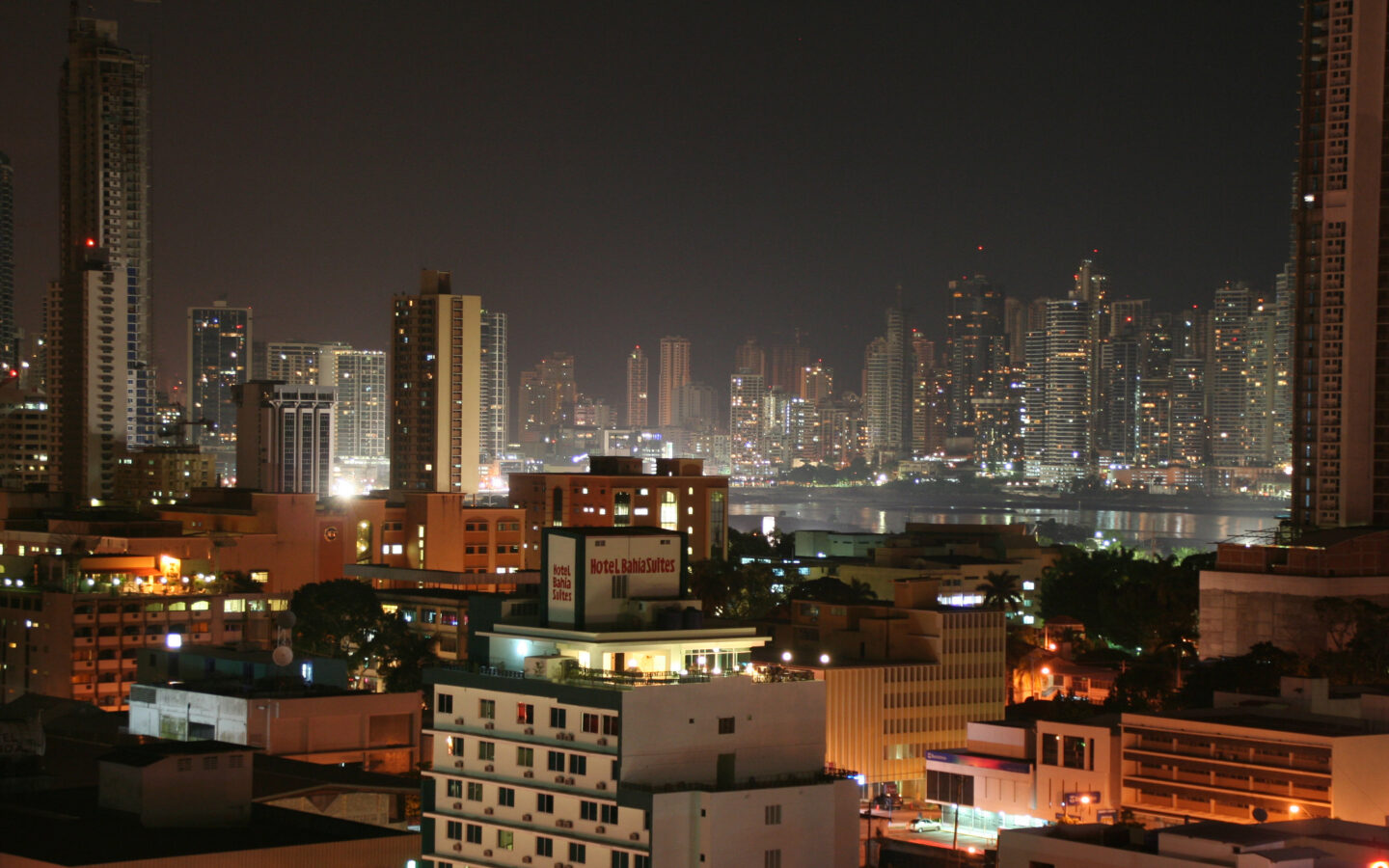
A powerful 7.7-magnitude earthquake shook southern Panama, sending residents into the streets, damaging buildings and triggering tsunami alerts across parts of Central and South America. Despite the strength of the quake and dozens of aftershocks, authorities had not reported mass casualties or catastrophic damage by Saturday morning. The Panama Canal remained operational, Tocumen International Airport resumed service after a temporary interruption and the country’s largest mining infrastructure was not seriously affected. The outcome provided a measure of relief after a seismic event strong enough to be felt across much of the country.
The quake struck at shallow depth
The U.S. Geological Survey placed the epicenter in southern Panama near the Azuero Peninsula, roughly 200 kilometers from Panama City. The earthquake occurred at a relatively shallow depth of about 12.6 kilometers. Shallow earthquakes often produce stronger surface shaking than deeper events of similar magnitude because less energy is lost before seismic waves reach populated areas.
A second strong quake and more than 40 aftershocks followed, keeping residents on edge. Authorities urged people to stay away from damaged structures and coastal areas until tsunami assessments were completed.
Damage was concentrated outside the capital
Central provinces including Herrera, Veraguas and Los Santos reported the most visible structural damage. Public buildings, homes and historic structures were affected, including damage to a church in the region. Some roads were blocked by debris and six provinces experienced temporary power disruptions.
Panama City experienced prolonged shaking that emptied office buildings and created traffic congestion, but modern towers largely remained standing. Engineers will continue inspecting buildings because earthquake damage can be hidden in structural elements even when exterior walls appear intact.
Why the death toll remained low
The limited number of severe casualties appears to reflect a combination of geography and construction standards. The strongest shaking affected areas with lower population density than Panama City, reducing the number of people exposed to the most extreme ground motion.
Panama has also strengthened building codes over time because of its location in a seismically active region. Modern high-rise construction in Panama City is designed to tolerate significant movement. That does not make buildings earthquake-proof, but better engineering can greatly reduce collapse risk.
Tsunami alerts were issued and later lifted
Initial warnings covered coastal areas in Panama and several neighboring countries. Large offshore or near-coastal earthquakes can displace water and produce dangerous waves even when local land damage is limited. Authorities temporarily advised communities to move away from shorelines while monitoring stations assessed sea-level changes.
The alerts were later lifted after no destructive tsunami developed. Emergency agencies emphasized that early warnings are deliberately cautious because tsunami arrival times can be short and waiting for visual confirmation can cost lives.
The Panama Canal kept operating
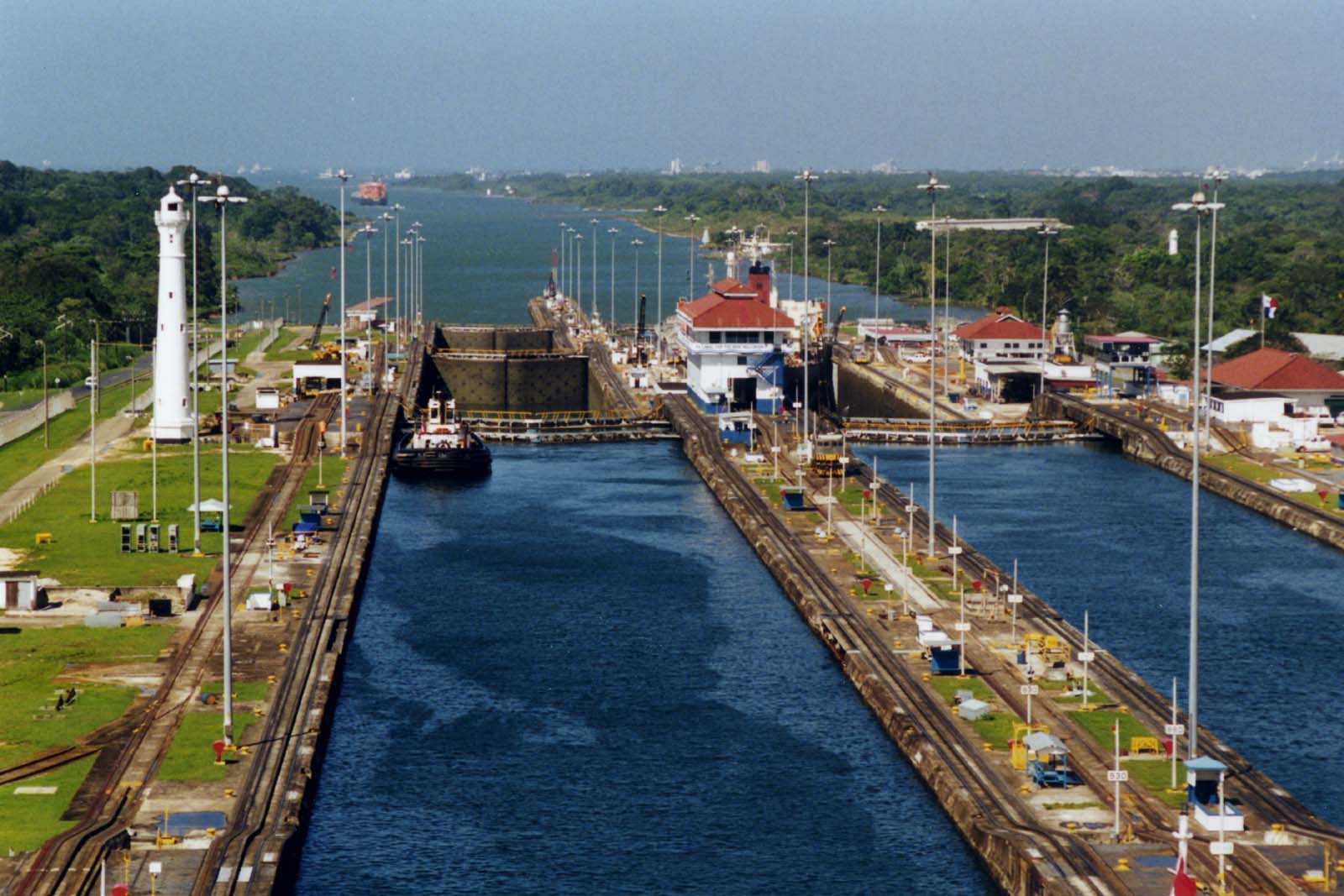
One of the most closely watched questions was whether the earthquake would affect the Panama Canal. The waterway is a critical route for global shipping and handles a significant share of trade between the Atlantic and Pacific oceans. Canal authorities reported that operations continued and no major damage was detected.
The canal’s locks, dams and water-management infrastructure are subject to specialized engineering standards. A prolonged closure would have had international consequences, particularly at a time when other shipping routes are already under pressure from conflict in the Middle East.
Airport operations resumed quickly
Tocumen International Airport temporarily paused activity as facilities were inspected. Flights later resumed. Airports require checks of runways, terminal structures, fuel systems and navigation equipment after strong earthquakes.
Panama is an important aviation hub connecting North and South America, so even a short disruption can affect regional travel schedules. Rapid reopening suggested authorities found no major structural problem.
Economic-loss estimates could still be significant
Preliminary modeling cited by Reuters suggested economic losses could reach between 1% and 10% of Panama’s gross domestic product, although early estimates carry large uncertainty. Damage to homes, public buildings, roads and utilities can accumulate even without widespread collapse.
Insurance coverage will also shape the final economic impact. In developing markets, a large share of residential property may be uninsured, leaving households and governments to absorb repair costs directly.
The country sits in a complex tectonic zone
Panama lies near interactions among several tectonic plates and fault systems associated with the Pacific “Ring of Fire.” The Azuero-Soná fault system has generated significant seismic activity before. The region does not experience major earthquakes as frequently as some parts of Mexico or Chile, but the risk is well established.
Scientists will analyze aftershock patterns to better understand which fault segments moved and whether stress has shifted to nearby structures. Aftershocks can continue for weeks or months, usually becoming less frequent over time.
Emergency preparedness will remain under scrutiny
A national evacuation drill was already scheduled for the following week, giving authorities an unusual opportunity to incorporate lessons from a real event. Emergency communications, evacuation routes and coordination between national and local agencies are likely to be reviewed.
The earthquake was strong enough to demonstrate how quickly normal life can be disrupted without becoming a national catastrophe. Panama avoided the worst-case scenario, but the event reinforced the importance of seismic building standards, public education and rapid infrastructure inspection. The next challenge is assessing hidden damage while keeping residents safe through a potentially long aftershock sequence.

Sources
- U.S. Geological Survey
- Panamanian emergency and infrastructure authorities
- Reuters and Associated Press, Oct. 9-10, 2026