Three Saudi nationals were killed in attacks on Riyadh’s King Khalid International Airport, according to Saudi authorities, as Yemen’s Houthi movement intensified missile strikes on the kingdom and international aviation regulators widened warnings about Saudi airspace. The attacks damaged a Saudia Airlines aircraft, injured several people and disrupted flights to the capital. Saudi-led forces responded with airstrikes on Houthi positions in Yemen, deepening a conflict that has become one of the most dangerous fronts in the wider Middle East war.
A major civilian airport is now part of the battlefield
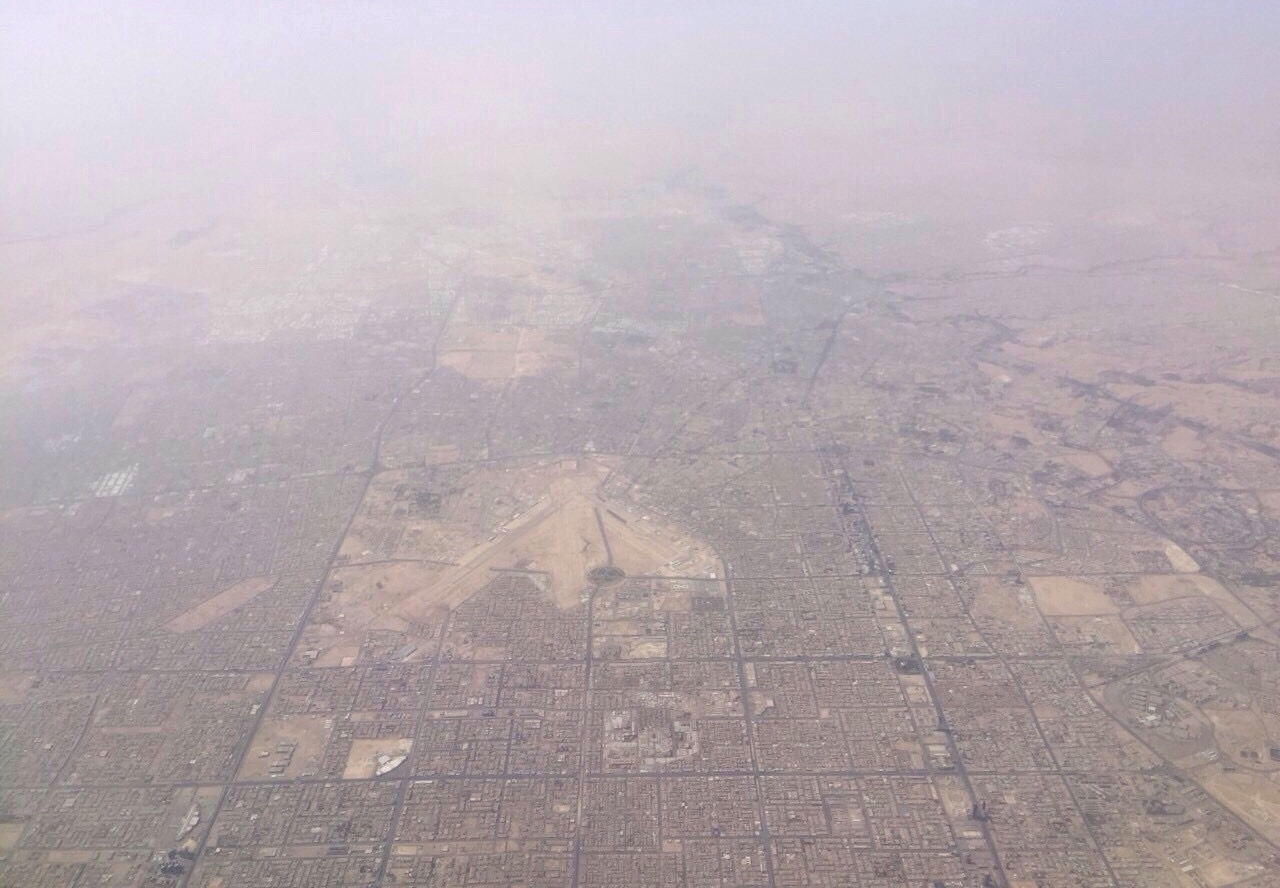
King Khalid International Airport is one of Saudi Arabia’s busiest aviation hubs and serves the capital’s growing business, government and tourism traffic. Houthi attacks on border regions or military facilities are not new, but direct strikes on Riyadh’s primary airport represent a different level of risk. The airport handles international airlines from Europe, Asia and the Middle East, meaning any sustained threat can disrupt travel far beyond Saudi Arabia.
Saudi officials said traffic gradually returned to normal after the attacks, but airlines continued reviewing schedules. Flight-tracking data showed cancellations and delays, while several carriers suspended or modified service. The disruption came just days before Riyadh was due to host a major international energy gathering, increasing concern among corporate travelers and government delegations.
EASA expands its Saudi airspace warning
The European Union Aviation Safety Agency expanded the area of Saudi airspace where it recommends airlines avoid operating. The regulator said recent attacks demonstrate that the Houthis have the capability and intent to strike deeper inside the kingdom, including the capital. The updated advisory adds parts of northwestern Saudi Arabia to previously identified risk zones.
Aviation conflict-zone warnings are taken seriously because modern missiles and air-defense systems create multiple hazards. A civilian aircraft does not need to be directly targeted to be at risk. Interceptor missiles, falling debris, navigation disruption or mistaken identification can all endanger commercial flights. The 2014 destruction of Malaysia Airlines flight MH17 over eastern Ukraine remains a powerful example of what can happen when civilian aviation crosses active conflict zones.
Airlines are responding differently
Some carriers have suspended flights, while others are continuing operations using modified routes or enhanced risk assessments. Lufthansa Group and several regional and Asian airlines have adjusted services. Flydubai extended cancellations to multiple Saudi destinations, according to Reuters. Airlines use their own security teams and external risk providers in addition to government and EASA guidance, so responses can differ even when they face the same threat.
Longer routes increase fuel use and crew time, adding cost. If Saudi airspace restrictions become prolonged, carriers linking Europe, Asia and Africa may need to reconsider schedules across the region. Gulf aviation has become central to global long-haul travel, making any large-scale disruption economically significant.
The Yemen war has changed dramatically
The renewed attacks are part of a broader escalation inside Yemen. After several years of reduced cross-border fighting following a U.N.-brokered truce, Houthi forces expanded operations along the Red Sea coast and around Taiz. Saudi-backed government forces responded with counteroffensives and heavy air support.
The strategic focus is the Bab el-Mandeb Strait, the narrow waterway connecting the Red Sea to the Gulf of Aden. It is one of the world’s most important shipping routes. Control of nearby territory gives armed groups the ability to threaten commercial vessels heading toward the Suez Canal.
Regional energy markets are directly exposed
The conflict is unfolding while global oil markets are already strained by the U.S.-Iran war and restrictions around the Strait of Hormuz. If Houthi attacks threaten Saudi oil facilities or Red Sea shipping at the same time, two major energy corridors could face simultaneous disruption.
That risk has contributed to higher crude and refined-fuel prices. Saudi Arabia is one of the world’s largest oil exporters, and investors monitor any missile attack near pipelines, refineries or airports for signs that production or logistics could be affected. Even an unsuccessful strike can add a geopolitical premium to prices.
Saudi Arabia has returned to direct military action
Riyadh spent years trying to reduce its military exposure in Yemen after an intervention launched in 2015 became costly and controversial. The 2022 truce allowed Saudi leaders to focus more heavily on domestic economic transformation. The recent Houthi offensive has pulled the kingdom back toward active military operations.
The Saudi-led coalition said it destroyed missile launch platforms used by the Houthis and carried out strikes around Sanaa and other locations. Houthi media reported casualties and damage. Each round of retaliation raises the risk of another missile or drone attack on Saudi cities.
Humanitarian conditions inside Yemen are deteriorating
The military escalation is worsening one of the world’s longest-running humanitarian crises. More than 200,000 people have been displaced since fighting intensified in early September, according to the U.N. migration agency. Food insecurity is severe in several areas, and aid organizations say access to displaced communities is becoming more difficult.
Taiz, a city with hundreds of thousands of residents, is among the hardest-hit areas. Road closures and front-line changes can interrupt food, fuel and medical supplies. Civilians therefore face danger both from direct fighting and from economic isolation.
Saudi aviation ambitions face a new risk
The attacks come at a sensitive time for Saudi Arabia’s effort to become a global aviation and tourism center. The kingdom is investing heavily in airports, airlines and tourism projects under its Vision 2030 strategy. Riyadh Air is being developed as a major international carrier, and King Salman International Airport is planned as one of the world’s largest hubs.
Persistent missile threats could raise insurance costs and complicate the kingdom’s effort to attract travelers, conferences and foreign investment. Saudi officials will therefore view restoring confidence in airspace security as an economic priority as well as a military one.
The next question is whether attacks continue
Air traffic returned after the latest incident, but the risk outlook depends on the Houthis’ next moves. The group has threatened airlines and Saudi infrastructure and has demonstrated longer-range strike capability. If attacks continue, EASA and other aviation authorities could issue stronger guidance.
A diplomatic de-escalation in the wider Middle East conflict could reduce pressure, but Yemen has its own internal war that may continue even if tensions involving Iran ease. The Riyadh airport strike therefore cannot be viewed only as a temporary spillover. It is also evidence that Yemen’s conflict has again become a direct threat to Saudi civilian infrastructure and international transportation.


Sources
- Saudi civil aviation and government statements
- European Union Aviation Safety Agency conflict-zone bulletin
- Reuters, Oct. 9, 2026