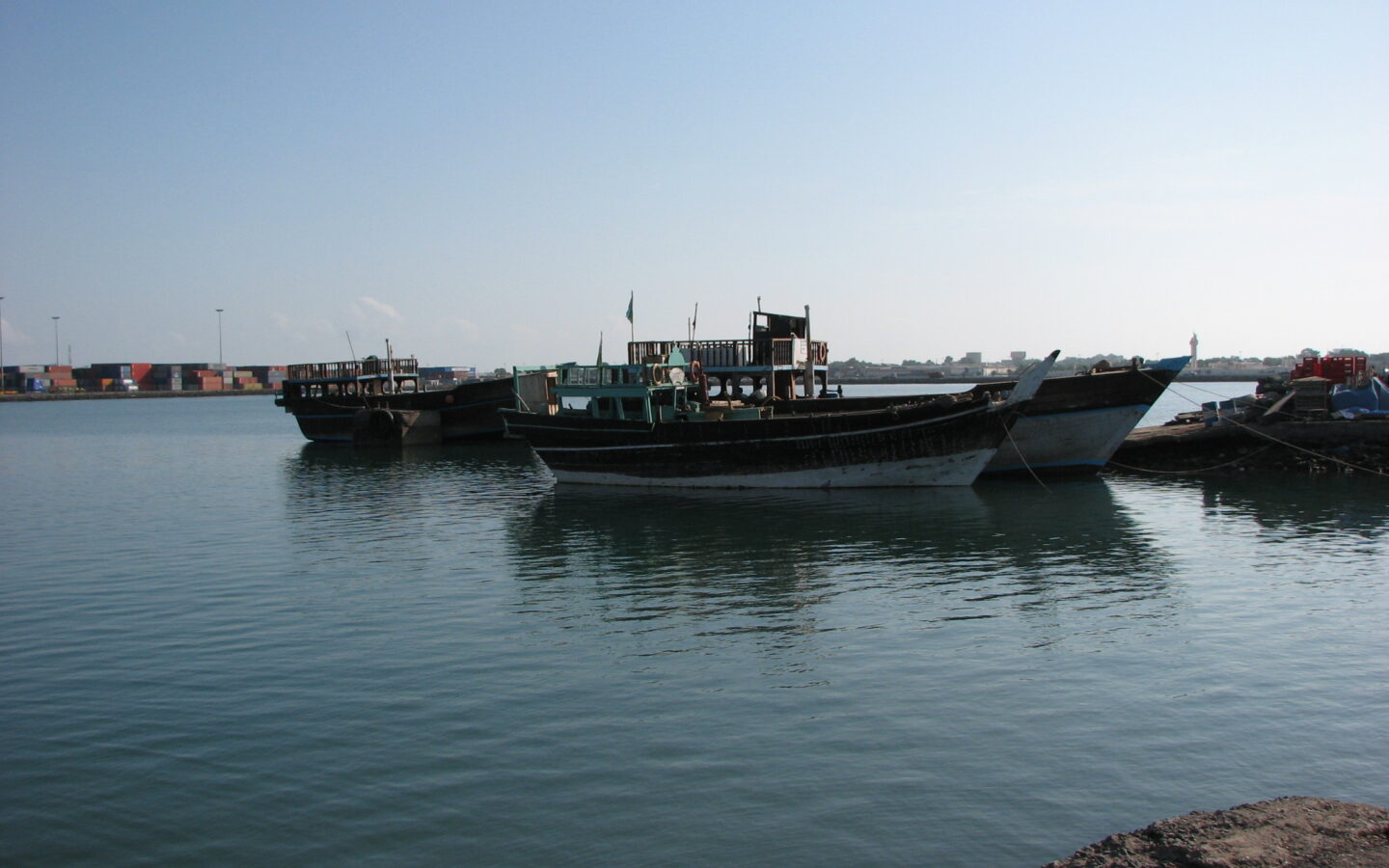
At least 109 people have died and more than 116 remain missing after a migrant vessel disaster off Djibouti, according to the International Organization for Migration figures reported by Anadolu Agency. Fifteen children were among those confirmed dead. The scale of the loss makes the incident one of the deadliest recent disasters along the Eastern Route, the migration corridor linking the Horn of Africa with Yemen and the Gulf. Search, recovery and humanitarian operations are continuing as families wait for information about missing passengers.
The Eastern Route is one of the world’s most dangerous
Thousands of migrants travel from Ethiopia and neighboring countries through Djibouti or Somalia before attempting to cross the Red Sea or Gulf of Aden toward Yemen.
Many hope eventually to reach Saudi Arabia or other Gulf states for work.
Smuggling networks play a central role
Migrants often depend on smugglers for transport, accommodation and sea crossings.
That creates high risks of extortion, abuse, overcrowding and abandonment.
Boats are frequently overloaded
Vessels used on the route are often not designed for long open-water journeys and may carry far more passengers than safe capacity.
Mechanical failure, rough seas or panic can quickly turn a crossing into a mass-casualty event.
Children are among the victims
The reported death of 15 children underlines the vulnerability of families and young migrants using the route.
Unaccompanied minors also make these journeys, according to IOM monitoring data.
Djibouti is facing overlapping migration pressures
The country is both a transit point for migrants heading toward Yemen and a destination for people fleeing conflict from the opposite direction.
Recent U.N. briefings have described thousands of refugees arriving from Yemen while migrants from Ethiopia continue to enter Djibouti.
The Yemen conflict has not stopped migration
Despite war and instability in Yemen, migrants continue to cross because economic conditions at home and expectations of work in the Gulf remain powerful drivers.
This can place people directly into another conflict zone after surviving the sea journey.
Search and identification can take time
When vessels sink, many bodies may never be recovered. Passenger lists are often incomplete or nonexistent.
That means the number of missing people can remain uncertain for weeks.
IOM tracks deaths through the Missing Migrants Project
The U.N. migration agency maintains global data on deaths and disappearances during migration.
The agency has repeatedly warned that the true number is likely higher because many incidents occur in remote areas and are never fully documented.
Prevention requires more than maritime rescue
Coast-guard capacity can save lives, but it does not address the economic and political pressures pushing people onto dangerous routes.
Safe migration channels, anti-smuggling enforcement and job opportunities in origin countries are also part of the long-term response.
Regional cooperation is essential
Ethiopia, Djibouti, Yemen and Gulf countries all sit along the same migration chain.
No single government can manage the route alone because smugglers and migrants cross multiple jurisdictions.
A humanitarian crisis behind the statistics
Numbers such as 109 dead and 116 missing can hide the individual scale of the loss. Families may wait months without confirmation about relatives.
The Djibouti disaster is another reminder that the Eastern Route remains lethal even when it receives less global attention than Mediterranean crossings.
Sources
- International Organization for Migration figures reported Oct. 11, 2026
- Anadolu Agency, Oct. 11, 2026
- United Nations/IOM background on the Eastern Route
Survivors can face abuse even after reaching shore
Migrants who survive shipwrecks often arrive dehydrated, injured or traumatized. Many have already experienced extortion or violence during the journey. Humanitarian agencies therefore provide more than emergency medical care: mental-health support, family tracing and protection screening can all be necessary.
Those needs are difficult to meet when large numbers arrive at once. Djibouti has limited resources and is simultaneously receiving people fleeing conflict from Yemen, creating pressure on reception systems. International funding and coordination become especially important after mass-casualty incidents.
The disaster also highlights the limits of deterrence when people feel they have few economic alternatives. Smuggling crackdowns can disrupt routes, but demand often shifts to more dangerous paths rather than disappearing. Long-term policy therefore requires a combination of legal migration opportunities, regional labor agreements and development support in origin communities. Without those alternatives, the Eastern Route is likely to remain active despite repeated tragedies.