Finance ministers, central-bank governors and development officials are gathering in Bangkok for the 2026 annual meetings of the International Monetary Fund and World Bank, with global debt, energy prices and geopolitical conflict expected to dominate discussions. The meetings run from October 12 through October 18 at the Queen Sirikit National Convention Center. The event comes at a difficult moment: public debt is high, bond yields have risen, energy prices remain elevated and emerging economies face large refinancing needs.
Debt is the central financial issue
Many governments borrowed heavily during years of low interest rates and again during the pandemic.
Refinancing those obligations is now much more expensive because global yields have increased.
Emerging markets face large payments
Reuters reported that developing economies face roughly $400 billion in debt payments during 2026.
Higher interest costs can force governments to choose between debt service and spending on health, education or infrastructure.
Energy prices are complicating inflation
The conflict in the Middle East has pushed oil, diesel, gasoline and jet-fuel prices higher.
The IMF has said the energy shock is still feeding headline inflation in many economies.
Central banks have less room to cut rates
If energy keeps inflation high, central banks may need to keep monetary policy tight for longer.
That would increase borrowing costs further and weaken growth.
The World Economic Outlook will be closely watched
The IMF is scheduled to release its full October World Economic Outlook on October 13.
Markets will focus on growth and inflation forecasts for the United States, China, Europe and major emerging economies.
Financial stability is another priority
The IMF’s Global Financial Stability Report will examine risks created by high yields, leveraged investors and changing market liquidity.
Hedge funds and tokenized financial assets are among the issues on the agenda.
AI has entered the macroeconomic debate
The official schedule includes sessions on labor markets, taxation, financial infrastructure and artificial intelligence.
Policymakers are increasingly debating how AI affects productivity, employment and energy demand.
Bangkok is hosting for the second time
Thailand previously hosted the annual meetings in 1991. Returning in 2026 highlights Asia’s larger role in the global economy.
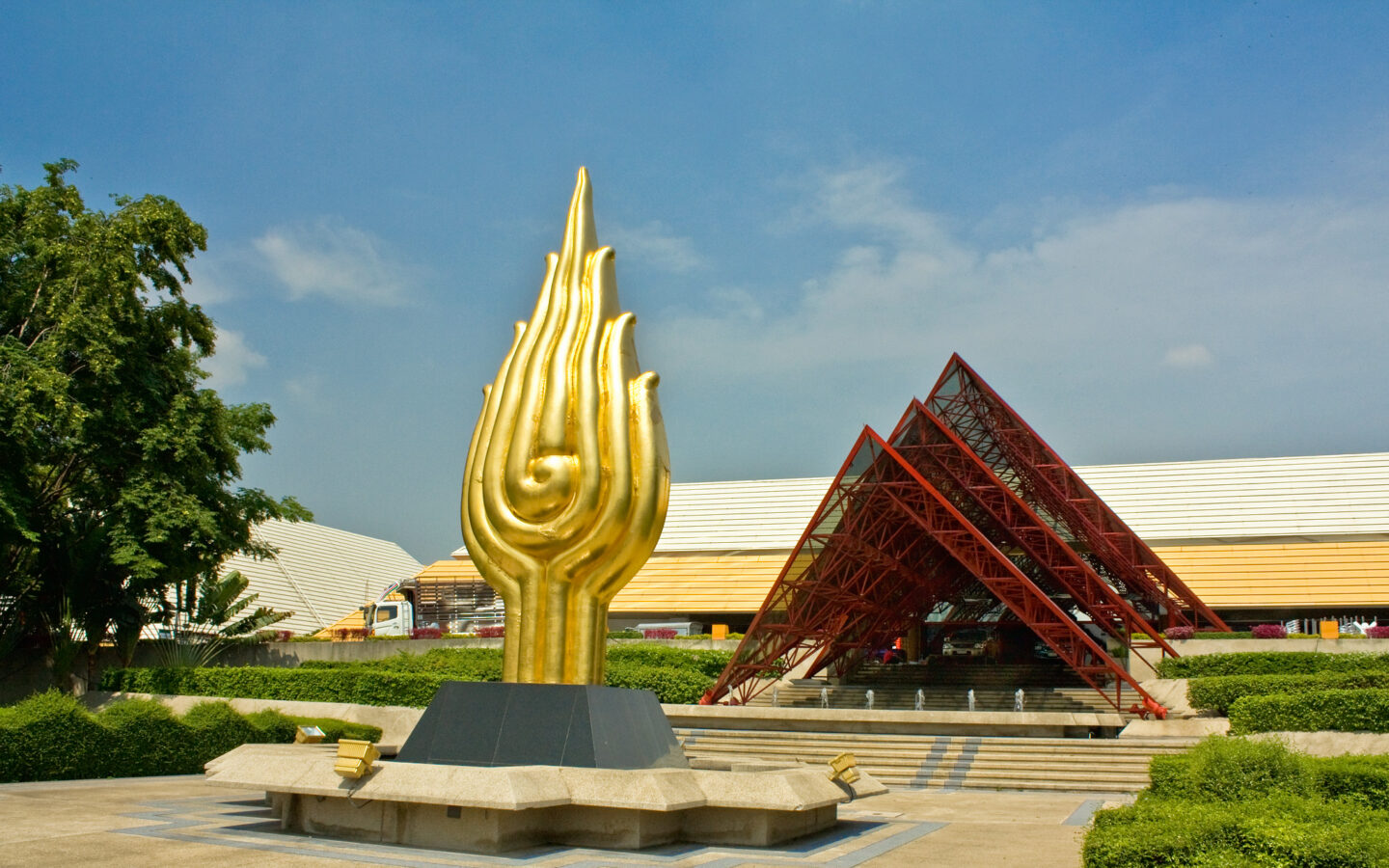
The venue is the Queen Sirikit National Convention Center, which has undergone extensive redevelopment.
The absence of some senior officials is notable
U.S. Treasury Secretary Scott Bessent is not expected to attend, leaving senior deputies to represent Washington.
Domestic political pressures and ongoing crises are keeping several policymakers closer to home.
Debt restructuring will be contentious
Low-income countries often owe money to private bondholders, Chinese lenders, multilateral institutions and Western governments at the same time.
Coordinating those creditors remains slow and politically difficult.
Food security is back on the agenda
Higher fertilizer and energy costs can quickly increase food prices in import-dependent countries.
The schedule includes dedicated sessions on food and commodity security.
Markets want credible policy signals
Investors will watch whether finance officials offer practical plans for managing high debt without triggering severe austerity or renewed inflation.
The Bangkok meetings cannot solve every crisis, but they will shape the policy framework used by governments facing the next year of economic stress.
Sources
- IMF official 2026 Annual Meetings schedule
- Reuters, Oct. 11, 2026
- World Bank and IMF meeting materials
Developing countries want more than warnings
Many low- and middle-income countries arrive in Bangkok frustrated that global institutions acknowledge debt and energy problems but often prescribe politically difficult adjustment programs. Governments facing high food and fuel prices may resist subsidy cuts or tax increases that could trigger public unrest. The IMF, meanwhile, argues that delayed adjustment can make debt crises worse.
This tension will shape negotiations throughout the week. Borrowing countries will push for cheaper financing, faster debt restructuring and greater flexibility, while creditors will demand credible fiscal plans. The meetings will test whether multilateral institutions can respond quickly enough to overlapping shocks without losing confidence from either side.
Thailand will also use the event to highlight its own economic transformation since it last hosted the meetings in 1991. Bangkok’s role as host reflects Asia’s greater weight in global finance and trade. Discussions on supply-chain resilience, AI and cross-border payments are likely to feature heavily because many of the world’s fastest-growing digital and manufacturing economies are now in the region.