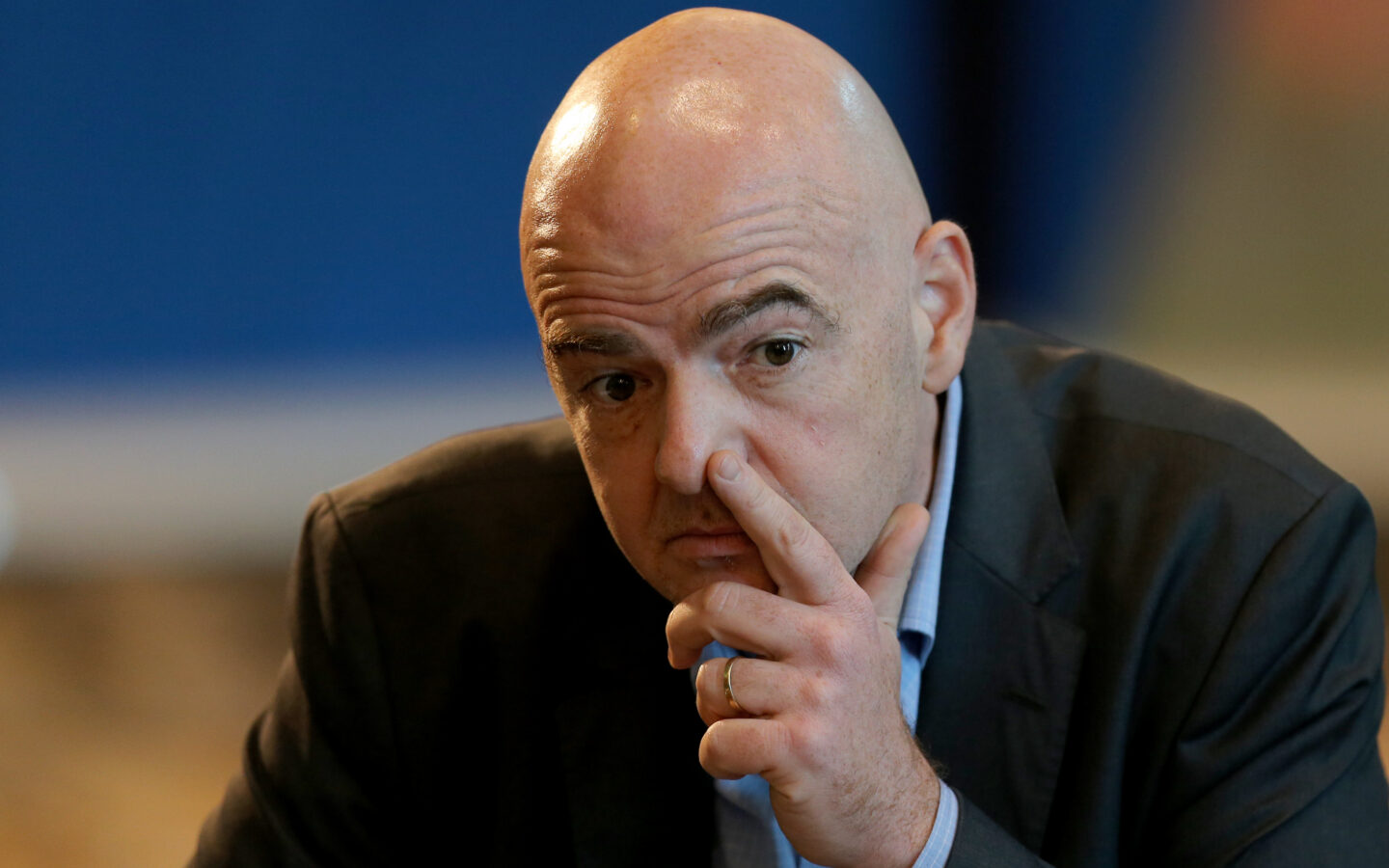
FIFA President Gianni Infantino has apologized to members of the FIFA Council for poor communication around a proposed commercialization project, but the gesture has failed to calm criticism from senior football officials in England and Germany. The abandoned FIFA Forward Enterprise plan would have created a new business structure around FIFA competitions and potentially sold a minority stake to outside investors. Critics say the project was advanced without sufficient consultation, reviving long-running concerns about transparency and governance.
What the proposed project involved
The FIFA Forward Enterprise concept was designed to commercialize major FIFA competitions through a separate entity.
One option included bringing in private investors through a minority stake.
The plan was eventually abandoned
Opposition from football associations and governance concerns made the project politically difficult.
FIFA ultimately dropped the proposal before it was implemented.
Infantino apologized for the process
Infantino acknowledged that communication and consultation with council members had been inadequate.
He argued that the intention was to increase financial resources for football development.
England and Germany remain unconvinced
English FA chair Debbie Hewitt and German FA president Bernd Neuendorf have continued to question FIFA’s decision-making culture.
They want greater access to documents and a broader reset in how major strategic projects are handled.
Transparency is the central issue
The critics are not only debating whether commercialization is appropriate.
They argue that national associations must be involved before major structural decisions are presented as near-final.
FIFA funding creates a complicated political dynamic
Many member associations depend heavily on FIFA development grants.
That gives the governing body substantial influence and can make smaller associations less willing to challenge leadership.
Infantino still has strong support in many regions
Representatives from Africa and other confederations have praised FIFA’s increased development spending.
That support means the governance dispute does not necessarily threaten Infantino’s position immediately.
The World Cup makes governance more important
FIFA controls one of the world’s most valuable sporting events.
Decisions about media rights, commercial partnerships and tournament expansion involve enormous financial stakes.
Private investment could reshape football economics
Bringing outside investors into FIFA-linked businesses could create more capital but also introduce pressure for commercial returns.
That raises questions about how revenues would be distributed and who would control strategic decisions.
The dispute may continue beyond the apology
England and Germany are calling for structural changes rather than a personal explanation.
Unless FIFA releases more information and changes consultation procedures, the conflict is likely to remain active.
Sources
- Reuters, Oct. 15, 2026
- Public comments from the English FA, German FA and FIFA officials