
The World Bank expects global commodity prices to rise about 23% in 2026 as war, energy disruptions, grain-shipping problems and El Niño combine to create one of the most difficult commodity environments in years. The institution’s latest Commodity Markets Outlook projects energy prices will increase 32% this year, while food commodity prices are expected to rise by a cumulative 18% across 2026 and 2027. The report warns that depleted oil inventories are leaving the world economy more exposed to further supply shocks.
Energy is driving the headline increase
The World Bank expects energy prices to rise 32% in 2026 after several years of declines.
Brent crude is projected to average $91 a barrel this year before easing to $79 in 2027 under the baseline scenario.
Oil supply is falling sharply
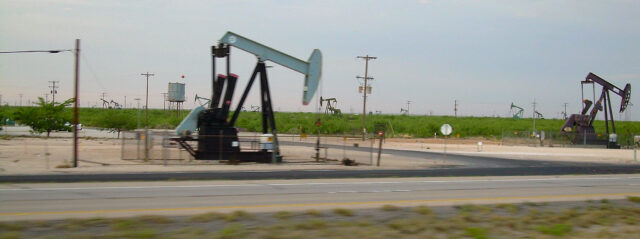
Global oil supply is forecast to decline 5.2% in 2026, the largest drop in more than four decades outside the 2020 recession.
Consumption is also expected to fall as high prices force households and businesses to reduce use.
Inventories are a major vulnerability
Because production remains below consumption, global oil stocks are being drawn down.
That means another major disruption could create a larger price spike than it would in a well-supplied market.
Food prices are also climbing
Food commodities are expected to rise about 10% in 2026 and another 7% in 2027.
Grain-shipping disruptions, high fertilizer costs and El Niño-related weather risks are the main drivers.
Fertilizer is getting more expensive
The World Bank expects fertilizer prices to rise 14% this year.
Higher fertilizer and fuel costs can feed directly into farm expenses and eventually retail food prices.
Metals are reaching record levels
Industrial metals are forecast to rise 25% in 2026 as renewable-energy, electric-vehicle and data-center investment increases demand.
Aluminum, copper and tin have all reached record prices during the year.
Precious metals are up even more
The World Bank expects precious-metal prices to increase around 40% in 2026.
Safe-haven demand and geopolitical uncertainty remain major supports for gold and related assets.
The adverse scenario is much worse
If Middle East conflict intensifies, Russian oil infrastructure suffers additional damage and El Niño proves unusually strong, Brent could average $105 in 2027.
Food prices could also exceed the baseline forecast by about 12%.
Low-income countries face the biggest strain
High food and energy prices consume a larger share of household budgets in poorer economies.
Governments with heavy debt burdens also have less fiscal room to subsidize essentials or expand social programs.
The World Bank is making financing available
The institution said $50 billion to $60 billion is available through existing instruments to help countries manage the shock.
That includes pre-arranged financing and support for social safety nets, firms and farms.
Commodity markets are increasingly connected
The report finds that price shocks in one commodity group can spill into others, especially during periods of market stress.
Oil has become a particularly important source of cross-market volatility since the Middle East conflict escalated.
Inflation risks remain global
Higher commodities can slow disinflation even in economies where underlying demand is cooling.
That complicates central-bank policy and raises the risk that interest rates remain higher for longer.
Sources
- World Bank Commodity Markets Outlook, Oct. 28, 2026
- World Bank press release and forecast tables
Businesses may rethink supply contracts
Companies exposed to energy, metals or agricultural inputs often respond to volatile markets by locking in longer-term contracts, increasing inventories or diversifying suppliers. Those defensive moves can improve resilience but also tie up more working capital and raise financing needs.
The World Bank’s 23% forecast therefore has direct implications for corporate treasury teams as well as governments. Procurement strategy and hedging decisions could become more conservative if markets expect repeated shocks.
Policy makers may need targeted support
Broad commodity subsidies can be expensive and distort demand, so governments often prefer targeted cash transfers or temporary support for vulnerable households. The World Bank argues that social safety nets and fiscal capacity will be important if food and energy prices stay high.
For low-income countries already carrying heavy debt, financing such programs is difficult. That is why the institution is emphasizing pre-arranged financing and private-capital mobilization alongside emergency support. The commodity shock is becoming a development-finance issue as much as a market story.