
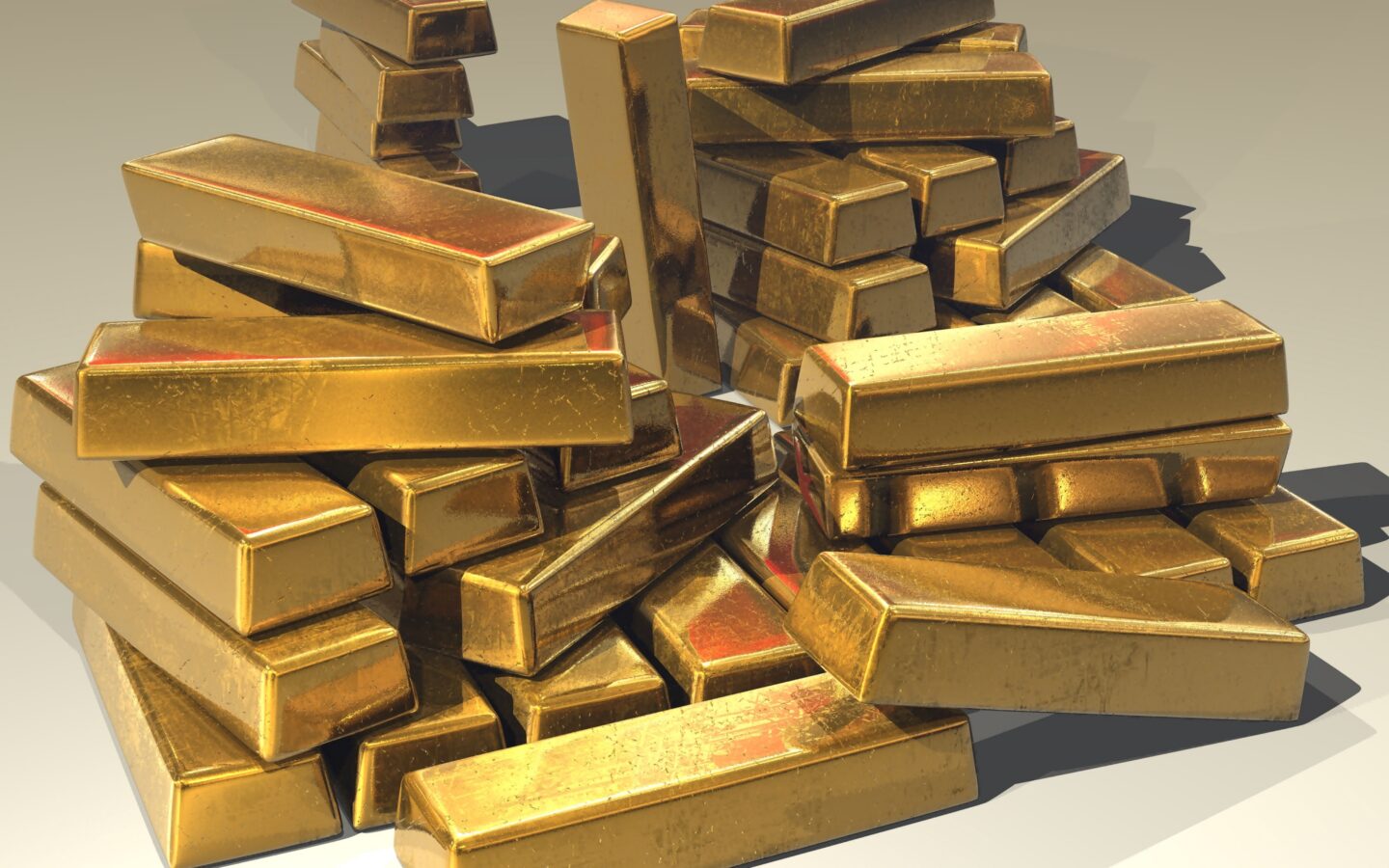
Gold prices fell on October 28 as higher oil prices intensified inflation concerns and investors prepared for the Federal Reserve’s policy decision. Spot gold was down about 0.7% at $4,030.20 an ounce, while December U.S. futures fell roughly 0.8% to $4,043. The decline came despite persistent geopolitical uncertainty, showing that rising bond yields and expectations for higher interest rates can outweigh safe-haven demand in the short term.
Why higher oil can hurt gold
Expensive energy can push inflation higher, increasing the likelihood that central banks keep rates elevated or raise them further.
Because gold does not pay interest, higher yields increase the opportunity cost of holding it.
The Fed was the main focus
Markets broadly expected the Federal Reserve to leave rates unchanged at 3.75%-4%.
The bigger question was whether policymakers would signal a possible December increase if inflation remains sticky.
Treasury yields matter
Gold often struggles when real and nominal bond yields rise because investors can earn more from interest-bearing assets.
U.S. yields have remained high as markets reassess the path of monetary policy.
The dollar is another headwind
A stronger U.S. currency makes dollar-priced gold more expensive for buyers using other currencies.
That relationship is not always perfect, but it remains an important driver of short-term gold moves.
Geopolitical demand has not disappeared
Conflict in the Middle East, attacks on energy infrastructure and broader political uncertainty continue to support demand for safe assets.
That helps explain why gold remains historically expensive even during periods of daily weakness.
Analysts have become more cautious on 2026
A Reuters survey found analysts had reduced their average 2026 gold forecast for a second consecutive quarter.
High yields and a strong dollar were among the main reasons for the more cautious view.
Longer-term forecasts remain constructive
Some analysts expect gold to recover in 2027 if interest-rate pressure eases and geopolitical uncertainty persists.
Central-bank buying and investor diversification can also support the market over longer periods.
Silver and platinum also fell
Silver dropped about 1%, while platinum also declined.
Those metals have both investment and industrial demand, making them sensitive to monetary policy and growth expectations.
Gold above $4,000 is still extraordinary
Even after the daily decline, gold remains at levels that would have appeared extreme only a few years earlier.
The price reflects a combination of inflation fears, central-bank demand, geopolitical tension and concern about fiscal sustainability.
Thursday’s inflation data will matter
Investors are also waiting for U.S. personal consumption expenditure inflation data.
A stronger reading could reinforce expectations for higher rates, while a softer figure might help gold stabilize.
Short-term direction depends on rates
Gold’s next move will likely depend less on whether geopolitical risk exists—it clearly does—and more on how that risk affects inflation and monetary policy.
If energy prices keep pushing rate expectations higher, bullion may struggle despite its safe-haven status.
Sources
- Reuters, Oct. 28, 2026
- Federal Reserve policy materials
Physical demand may react differently
Jewelry and bar demand in major consumer markets can weaken when prices rise sharply, even if financial investors remain interested. That creates a tension between safe-haven buying and affordability. Dealers will watch whether buyers in Asia and the Middle East continue purchasing at prices above $4,000.
If physical demand softens while bond yields remain high, gold may need renewed geopolitical or central-bank support to sustain current levels.
Gold’s reaction to the Fed will be closely watched
The immediate post-meeting response in Treasury yields and the dollar can be more important for bullion than the policy rate itself. A hawkish hold can push yields higher and pressure gold, while a softer message can have the opposite effect.
With two Fed officials voting for a rate increase, investors now have a clearer reason to consider the possibility of another move in December. That keeps gold caught between geopolitical support and monetary-policy headwinds.
Another factor is investor positioning. Gold has attracted substantial safe-haven flows during the year, so periods of profit-taking can amplify declines even when the long-term thesis remains intact. If speculative positions are crowded, small changes in rate expectations can trigger larger moves as traders reduce exposure.
For now, the metal remains supported by geopolitical uncertainty but constrained by the prospect of higher-for-longer interest rates.
Volatility is likely to remain elevated.