
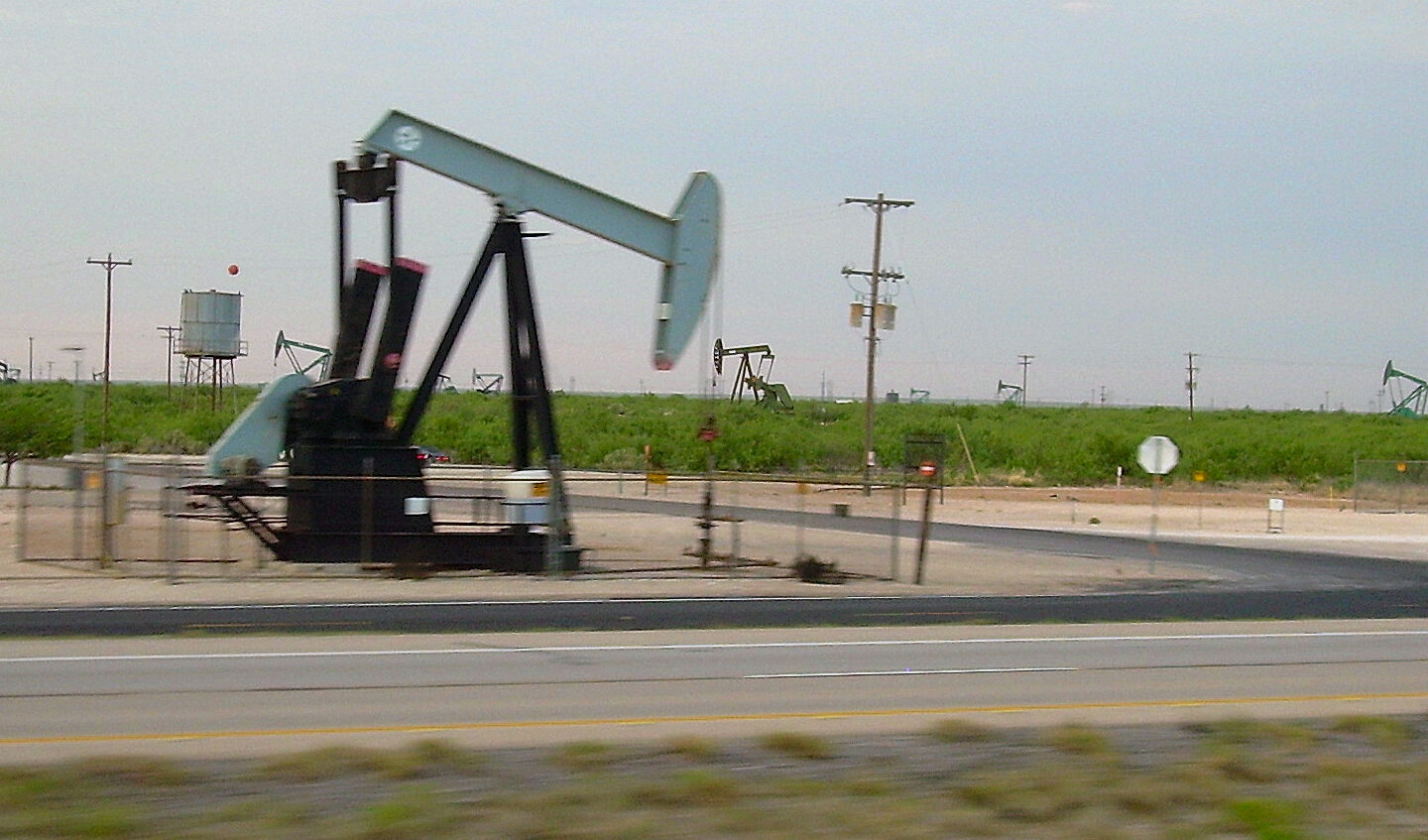
Oil prices settled lower on Thursday as investors weighed renewed U.S.-Iran diplomatic efforts against continuing risks to Middle East energy infrastructure and shipping. Brent crude fell 0.38% to $114.88 a barrel, while U.S. West Texas Intermediate dropped 0.76% to $102. Both benchmarks had been down more than $2 earlier in the session before recovering part of their losses.
Diplomacy reduced some of the risk premium
Markets reacted to signs that Washington and Tehran may still have indirect channels for de-escalation. Reuters reported that diplomatic efforts included a letter from the U.S. vice president to an Iranian security official and a draft proposal involving Qatar.
Iran criticized elements of the proposals, so traders did not interpret the talks as a breakthrough.
Middle East supply risk remains high
Oil prices remain above levels seen earlier in the year because attacks and threats around Saudi Arabia, the Red Sea and the Strait of Hormuz have increased the probability of supply disruption.
Even without an actual production loss, the possibility of interrupted shipping can raise insurance and freight costs.
Houthi attacks remain a major concern
Reports of missile attacks targeting Saudi Arabia kept markets cautious. Energy infrastructure, airports and shipping routes have all become part of the region’s security risk.
Any successful strike on a major export terminal or refinery could quickly push prices higher.
Hormuz is the key chokepoint
A large share of global oil exports passes through the Strait of Hormuz. Iran’s claim that three tankers struck sea mines near the waterway added to market anxiety.
Shipping companies and insurers are monitoring the situation closely.
Energy executives are changing travel plans
ExxonMobil and Chevron canceled plans for executives to attend a major oil event in the United Arab Emirates, according to Reuters sources.
The decision illustrates how security concerns are affecting business operations even outside directly targeted areas.
Russian supply expectations pulled prices lower
Markets also expect Russian refinery activity and fuel output to recover after a period of reduced attacks on infrastructure.
Additional Russian crude and diesel supply can offset some of the disruption risk elsewhere.
U.S. inventories offered mixed signals
American crude and distillate inventories declined, suggesting healthy demand, while gasoline stocks increased.
Inventory data can influence short-term prices, but geopolitical developments are currently having a larger impact.
High oil prices complicate inflation policy
Energy costs are feeding into inflation in the United States and Europe. Central banks are increasingly concerned that expensive fuel could slow progress toward price-stability targets.
The ECB kept rates unchanged on Thursday but left the door open to another increase.
Consumers are feeling the effect
Higher crude prices eventually flow into gasoline, diesel, aviation and freight costs. That can reduce household purchasing power and raise business expenses.
The longer oil remains above $100, the greater the risk that energy inflation spreads into other prices.
Diplomacy will remain the key market variable
Thursday’s settlement shows how quickly prices can respond to even limited signs of diplomatic progress. But the rebound from the day’s lows also shows that investors remain skeptical.
Until there is a credible reduction in military risk around major producing and transit areas, oil is likely to remain volatile and unusually sensitive to political headlines.
Sources
- Reuters, Oct. 29, 2026
- U.S. energy inventory data
Volatility is likely to remain elevated
Oil traders are now reacting not only to inventories and economic data but to individual diplomatic messages, missile launches and shipping incidents. That makes short-term price moves unusually sensitive to headlines. Options markets and freight rates may therefore remain elevated even on days when benchmark crude prices fall.
A durable decline would probably require both credible diplomatic progress and evidence that physical supply routes are secure. Until those two conditions align, the geopolitical premium is likely to fluctuate rather than disappear.
For traders, the most important near-term signals will be evidence of sustained diplomatic engagement and any verified disruption to production or shipping. A single headline can move prices, but durable trends usually require a change in physical supply expectations. Until then, Brent and WTI are likely to remain volatile inside a wide range, with security developments in the Gulf and Red Sea setting the tone.
That uncertainty keeps risk management unusually important for refiners, airlines, shippers and investors.