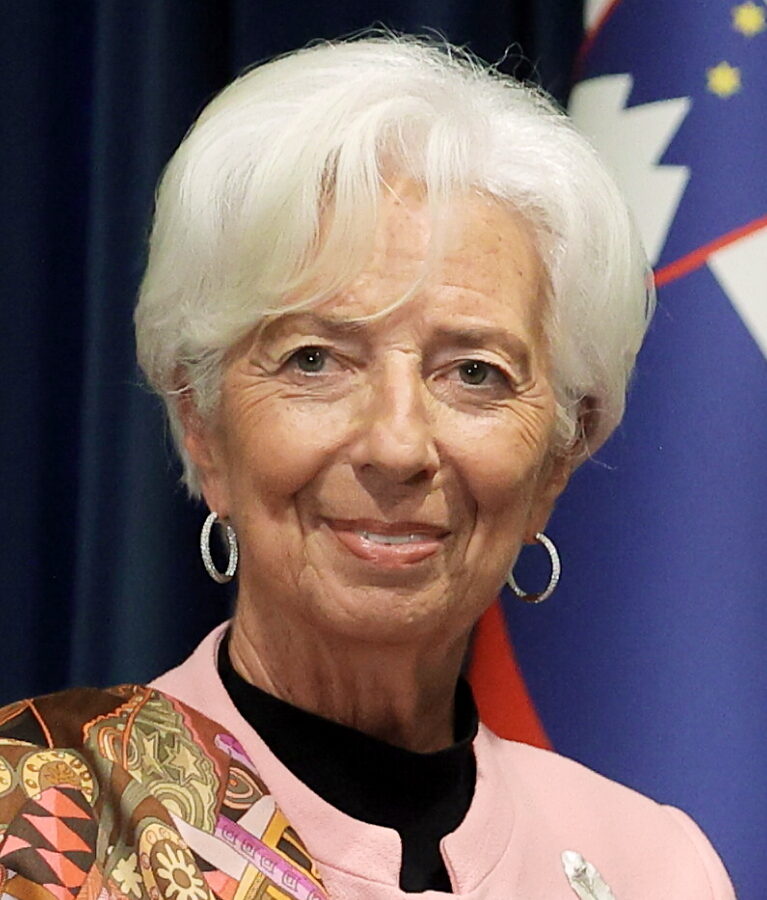
European Central Bank President Christine Lagarde will leave office early on February 7, 2027, bringing an unexpected leadership transition to the institution as the euro area navigates elevated energy prices, weak growth and renewed inflation pressure. The announcement came just hours before an ECB policy decision in which the central bank was widely expected to keep interest rates unchanged at 2.5%. Markets immediately began debating who could succeed Lagarde and whether the change could alter the pace of monetary tightening.
The timing is politically sensitive
Lagarde’s departure will come before the end of her original term and ahead of France’s presidential election. The timing raises questions about how European governments will handle the appointment process.
The ECB presidency requires agreement among euro-area governments, making succession both a monetary and political issue.
Inflation pressure has returned
Higher oil and natural-gas prices have increased concern that energy costs could feed into wages and broader inflation. The ECB had already shifted toward a more restrictive stance.
Any leadership transition will therefore occur while policymakers are making difficult decisions about how much further rates need to rise.
Growth remains fragile
The euro-area economy has struggled with weak industrial activity, expensive energy and subdued consumer demand. Higher borrowing costs could slow investment and housing further.
The central bank must balance those risks against the possibility that inflation becomes entrenched again.
Markets expect a pause
Investors widely expected the ECB to hold rates at the current meeting, with some economists forecasting one more increase in December.
Bond yields moved lower before the announcement as traders interpreted the balance of risks as less aggressive than earlier in the month.
Lagarde’s legacy is complicated
Lagarde took over the ECB before the pandemic and later faced the inflation shock that followed reopening, supply-chain disruption and the war in Ukraine.
Her tenure included both emergency stimulus and the fastest rate increases in the central bank’s history.
Successor speculation will begin immediately
Potential candidates are likely to include senior central bankers and finance officials from major euro-area economies. Regional balance often plays a role in appointments to top European institutions.
Markets will closely examine each candidate’s record on inflation and financial stability.
Central-bank independence will be watched
The ECB is formally independent, but leadership appointments are made by governments. A politically charged succession could raise questions about whether national interests influence the process.
Investors generally prefer continuity and predictable policy communication.
French politics adds another layer
Lagarde is French, and her early departure comes as France prepares for a national election. Although the ECB is a European institution, domestic political debate may affect how her decision is interpreted.
French bond spreads had recently been under pressure before easing in the latest session.
Policy continuity may matter more than personality
The ECB’s Governing Council makes decisions collectively, meaning a new president cannot simply reverse policy alone. National central-bank governors and the Executive Board remain influential.
That structure could limit market disruption during the transition.
A leadership change during a difficult cycle
The euro area is entering 2027 with unusually complex economic conditions: high energy costs, weak manufacturing, fiscal pressure and uncertain global trade.
Lagarde’s departure adds another variable, but the larger test will be whether the ECB can maintain credibility while balancing inflation control with economic weakness.
Sources
- European Central Bank announcement
- Reuters, Oct. 29, 2026
Government borrowing costs are part of the stakes
ECB policy affects not only households and companies but also heavily indebted governments. Higher rates can quickly raise refinancing costs for countries with large debt loads, widening bond-market differences inside the euro area. A leadership transition during a tightening cycle therefore matters for fiscal policy as well as monetary policy.
Markets will watch whether the next president emphasizes inflation risks, financial fragmentation or both. The ECB has tools to address disorderly spreads, but using them can be politically sensitive.
February leaves little room for a long transition
Because Lagarde’s departure date is relatively close, European governments will need to move quickly if they want a smooth handover. Delays could create uncertainty at a time when markets are already sensitive to energy prices and political risk.
The institution has experienced leadership transitions before, but rarely during such a complicated mix of weak growth and renewed inflation pressure. Continuity in communication will be a priority.