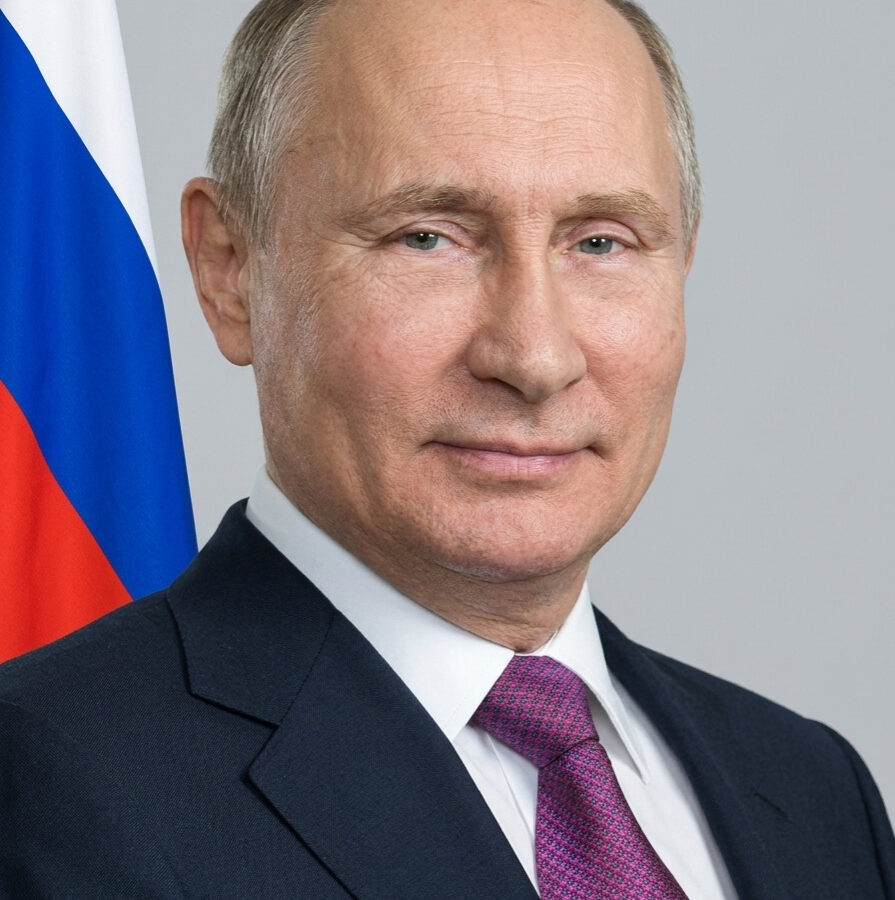
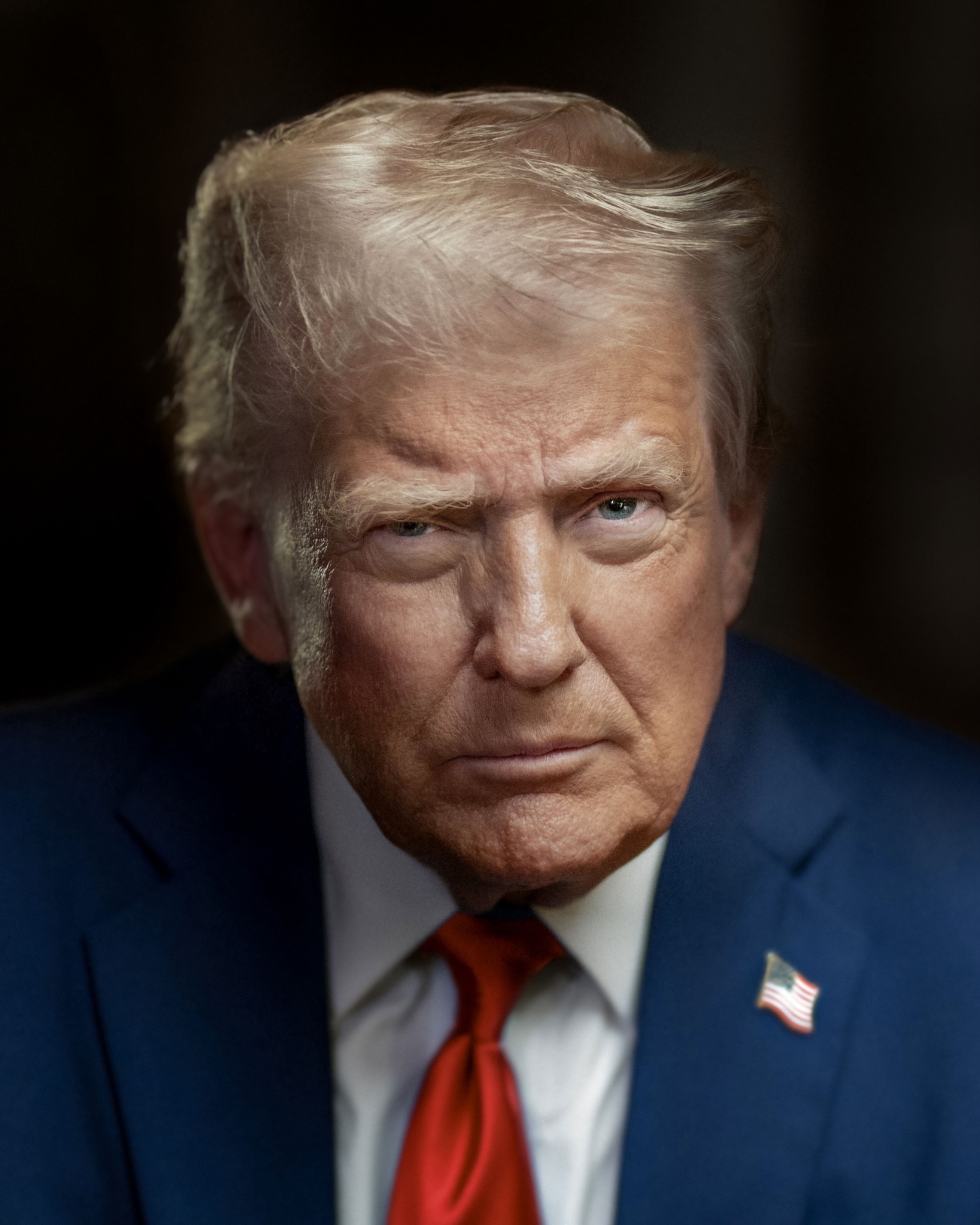
President Donald Trump said Russia has agreed to send more than 300,000 metric tons of diesel to the United States and global markets, a move Washington hopes will ease fuel prices that have climbed sharply during the Middle East energy shock. The agreement followed a call between Trump and Russian President Vladimir Putin and was accompanied by a temporary U.S. licence allowing imports of Russian diesel despite sanctions imposed on Moscow’s oil industry. The decision immediately created a political trade-off: it may add supply to a tight fuel market, but it also allows Russia to earn revenue while its war in Ukraine continues.
The first shipment is large but small relative to the global market
Trump said Russia would immediately supply more than 300,000 metric tons of diesel, equivalent to roughly 2.25 million barrels. He also said another 500,000 tons could follow in November and an additional 1 million tons after that, depending partly on the condition of Russian refineries damaged by Ukrainian attacks. Those figures sound enormous in isolation, but the United States alone exports around 1.5 million barrels of diesel per day. Analysts therefore cautioned that the agreement may provide relief without fundamentally solving the global shortage.
Diesel is especially important because it powers trucks, farm machinery and industrial equipment and is used for heating in some regions. Unlike gasoline, which is closely associated with passenger vehicles, diesel costs pass through a wide range of supply chains. When diesel becomes expensive, freight companies, farmers and manufacturers face higher operating costs that can eventually appear in consumer prices.
Why diesel prices have become politically dangerous
Average U.S. diesel prices have risen to more than $6 a gallon, according to figures cited by Reuters, after the conflicts involving Iran and Ukraine disrupted refining and trade flows. Diesel futures fell after Trump announced the Russian agreement, showing that traders believe extra supply could help in the short term. But physical markets remain tight, particularly for low-sulfur diesel used in modern engines.
The timing is politically important. U.S. congressional elections are approaching, and fuel prices are highly visible to voters. Truckers and farmers are particularly sensitive to diesel costs, and many are located in states where Republicans need strong turnout. Trump has repeatedly framed lower energy prices as a central economic objective, making the issue both an inflation problem and an electoral one.
Washington had to relax sanctions to make the deal possible
The U.S. Treasury issued a licence allowing Russian diesel imports until April 7. That is a notable policy shift because U.S. sanctions on Russian energy were designed to restrict Moscow’s export revenue after its invasion of Ukraine. The administration is effectively carving out a temporary exception because fuel-market conditions have become severe enough to outweigh part of the sanctions strategy.
This does not mean all restrictions on Russian oil have disappeared. The licence is targeted and time-limited. Still, even temporary access to U.S. and global buyers can generate substantial revenue for Russian producers. That is why Ukraine and some U.S. lawmakers reacted sharply.
Ukraine says the decision rewards Moscow
Ukrainian President Volodymyr Zelenskiy criticized the agreement, arguing that allowing more Russian fuel sales gives Moscow additional money while Russian attacks on Ukraine continue. Some Republican lawmakers also objected. Representative Don Bacon said Washington should be applying additional pressure rather than easing sanctions.
The criticism exposes a basic tension in Western policy toward Russia. Sanctions are intended to reduce the economic resources available to the Kremlin, but cutting Russian energy exports can also tighten global supply and raise prices for consumers in sanctioning countries. Policymakers have spent years trying to balance those two goals through price caps, exemptions and shifting trade routes. The diesel agreement is another example of that balancing act.
Russian refinery damage limits how much Moscow can supply
Russia is normally a major exporter of refined fuel, but Ukrainian attacks have damaged some of its refinery infrastructure. Trump himself linked future volumes to refinery conditions. That makes the durability of the agreement uncertain. Even if sanctions are relaxed, Russia cannot export diesel that it is unable to produce.
Refinery outages are particularly important because crude-oil supply and refined-product supply are not interchangeable. A country can have sufficient crude while still facing shortages of diesel, jet fuel or gasoline if refining capacity is damaged or constrained. The current crisis has shown that product markets can tighten even when crude continues to move through global trade.
Analysts are skeptical that the deal will keep prices down
Energy analysts quoted by Reuters described the announced volume as helpful but insufficient to produce a lasting solution. Russia typically exports larger volumes when its refinery system is operating normally. The U.S. also has substantial refining capacity of its own, but bringing new capacity online takes years and billions of dollars.
The Trump administration is therefore considering domestic measures as well. Reuters reported that the White House is preparing a directive that could use the Defense Production Act and other federal authorities to support refinery expansion or remove regulatory obstacles. Industry executives have reportedly argued that upgrading existing plants is more practical than financing entirely new refineries.
Energy security is again becoming an industrial-policy issue
For decades, U.S. energy-security debates focused mainly on crude oil. The latest diesel shortage is showing that refining and product logistics are equally important. Even a country with high domestic oil production can remain exposed if refineries are concentrated geographically or lack flexibility to produce enough of a specific fuel.
Hurricane disruptions in the Gulf of Mexico have added to that vulnerability. Severe weather can reduce offshore production, disrupt ports and force refineries to slow or stop operations. When those disruptions occur at the same time as wars affecting Middle Eastern and Russian supply, price spikes become harder to offset.
The global consequences extend beyond the United States
Russian diesel will not necessarily all arrive at U.S. ports. Trump described the deal as supply for both the United States and global markets. Additional barrels entering international trade can reduce competition among buyers and potentially lower prices in Europe, Latin America and other regions dependent on imported diesel.
But the geopolitical effect could be just as important as the market effect. If Washington becomes more willing to grant energy exemptions when domestic prices rise, other countries may seek similar flexibility. That could weaken the long-term impact of sanctions unless the administration develops a clear framework for when exemptions are justified.
A short-term price solution with a long-term strategic cost
The diesel agreement reflects the difficult choices created by overlapping wars, refinery constraints and inflation. For consumers and businesses, any additional supply is welcome. For Ukraine and sanctions advocates, the same barrels represent revenue for a government they are trying to isolate. Both interpretations can be true at the same time.
The next test will be whether the announced shipments actually arrive and whether they are large enough to push diesel prices lower for more than a few days. Traders will also watch Russian refinery output, U.S. inventories and the Treasury’s implementation of the licence. If prices remain elevated, the administration may face pressure for broader measures. If they fall, the deal will likely be presented as proof that energy diplomacy can produce quick economic relief. Either way, the decision marks a significant change in how Washington is balancing Russia sanctions against domestic fuel costs.
Sources
- White House and President Donald Trump statements, Oct. 9, 2026
- U.S. Treasury sanctions licence and energy-market data
- Reuters, Oct. 9, 2026