The IMF now expects 3.1% global growth in 2026 and 3.4% in 2027, warning that energy costs, debt and AI investment risks could undermine the outlook.
A modest upgrade amid exceptional uncertainty
The International Monetary Fund’s October 2026 World Economic Outlook projects global real GDP growth of 3.1% this year, up from the 3.0% forecast in July. The institution expects growth to reach 3.4% in 2027, unchanged from its previous estimate. The figures were released as policymakers gathered in Bangkok for the IMF and World Bank annual meetings. A small forecast upgrade should not be mistaken for an all-clear: the fund emphasized that prolonged geopolitical disruption, rising borrowing costs and concentrated technology investment leave the world economy vulnerable to shocks.
Why artificial intelligence is supporting activity
Spending on data centers, chips, electricity infrastructure and related equipment is helping sustain investment in several major economies. The IMF identified beneficiaries among advanced economies developing AI platforms and exporters of the hardware needed to build them, including South Korea, Malaysia, Mexico and Thailand. This creates demand beyond the software industry, reaching construction, power systems and industrial supply chains. Yet the benefits are unevenly distributed. Economies without strong links to the AI investment cycle may experience much less of the boost while still facing high energy and financing costs.
Energy prices remain a central threat
The outlook is being published against a backdrop of disrupted Middle Eastern energy supplies and oil prices above $100 a barrel. The IMF’s baseline assumptions include an average oil price of $96 in 2026 and $87 in 2027, with shipping through the Strait of Hormuz recovering over time. Such assumptions matter because an extended interruption would raise transportation and manufacturing costs across many countries. Higher fuel bills also reduce consumers’ spending power. A forecast is therefore conditional on developments that policymakers and companies cannot control with certainty.
An adverse scenario shows the stakes
In a more severe scenario, the IMF examined oil prices rising to $130 a barrel through the first quarter of 2027. Under that assumption, global growth would be reduced by 0.2 percentage point in 2026 and 0.5 point in 2027. Inflation next year would also be higher than in the baseline. These are scenario estimates, not predictions that oil will necessarily reach that price. Their value is in illustrating how a sustained energy disruption can simultaneously weaken economic output and complicate the work of central banks trying to contain inflation.
The recovery is not reaching everyone
The fund reported that just 32 countries account for 95% of global growth, compared with 54 countries in its April assessment. This concentration suggests the apparent resilience of headline world GDP may conceal much weaker conditions in economies outside leading investment and technology supply chains. The IMF also said it had downgraded forecasts for a substantial share of economies since April. For governments, the implication is that a stable global average does not guarantee improving household conditions, stronger employment or easier financing at home.
Regional forecasts diverge sharply
The IMF expects the United States to grow 2.3% in both 2026 and 2027, supported in part by domestic demand and investment. Its euro-area forecast for this year rose to 1.1%, while China’s growth projection stands at 4.5% for 2026 and 4.0% for 2027. India is forecast to grow 7.0% in both years. The different trajectories reflect domestic policy, exposure to energy costs, technology investment and trade conditions. These are aggregate national projections, not guarantees for particular industries or companies.
AI could become a downside risk too
The same technology spending that supports the baseline forecast could become a source of weakness if expected productivity improvements fail to appear. The IMF examined scenarios in which investors reassess AI profitability, capital spending falls and asset prices decline. The resulting tightening in financial conditions could reduce household consumption and business investment. This is not a prediction that the AI industry will collapse. It is a warning that growth becomes less resilient when a narrow set of investment decisions carries an unusually large share of economic momentum.
Debt and bond yields complicate policy
Many governments are entering this period with high debt burdens and limited fiscal room. Rising bond yields increase the cost of refinancing public obligations, potentially crowding out spending on infrastructure, health and education. For emerging markets, the challenge can be greater when borrowing is denominated in foreign currencies. The IMF urged credible medium-term fiscal plans rather than relying on short-term relief. Such plans involve difficult trade-offs: reducing deficits too abruptly can weaken growth, while postponing adjustments may expose countries to more expensive financing later.
Inflation is still part of the story
The fund projected global headline consumer price inflation of 4.7% in 2026 and 4.1% in 2027. Energy costs, supply disruptions and strong demand for equipment can affect prices differently across countries. Central banks must distinguish temporary price spikes from more persistent inflation pressures, especially when economic growth is slowing. An easing in headline inflation does not mean prices are returning to previous levels; it means the pace of increase is moderating. Household purchasing power will depend on wages, employment and local price developments.
What to watch after the Bangkok meetings
The next tests for the outlook will include oil shipments, sovereign bond yields, corporate investment announcements and evidence that AI spending is translating into productivity gains. Policymakers will also watch whether growth becomes less concentrated geographically. The October forecast offers a cautiously resilient baseline, not an assurance against recession in individual countries. Its central message is that near-term support from technology investment must be matched by stronger fiscal resilience and broader sources of growth if the expansion is to endure.
Sources
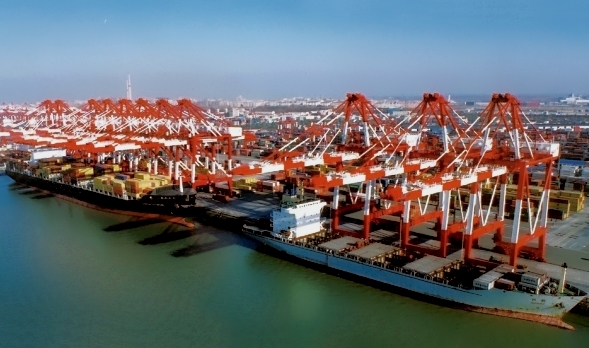
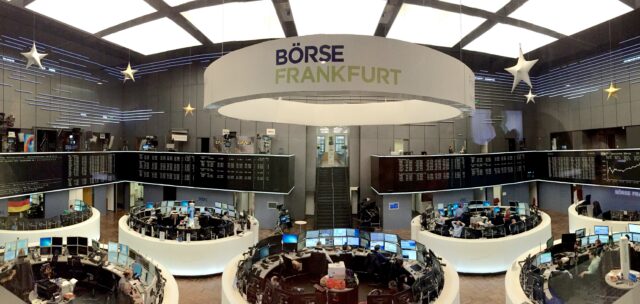
Featured photograph is illustrative and does not depict the specific event.