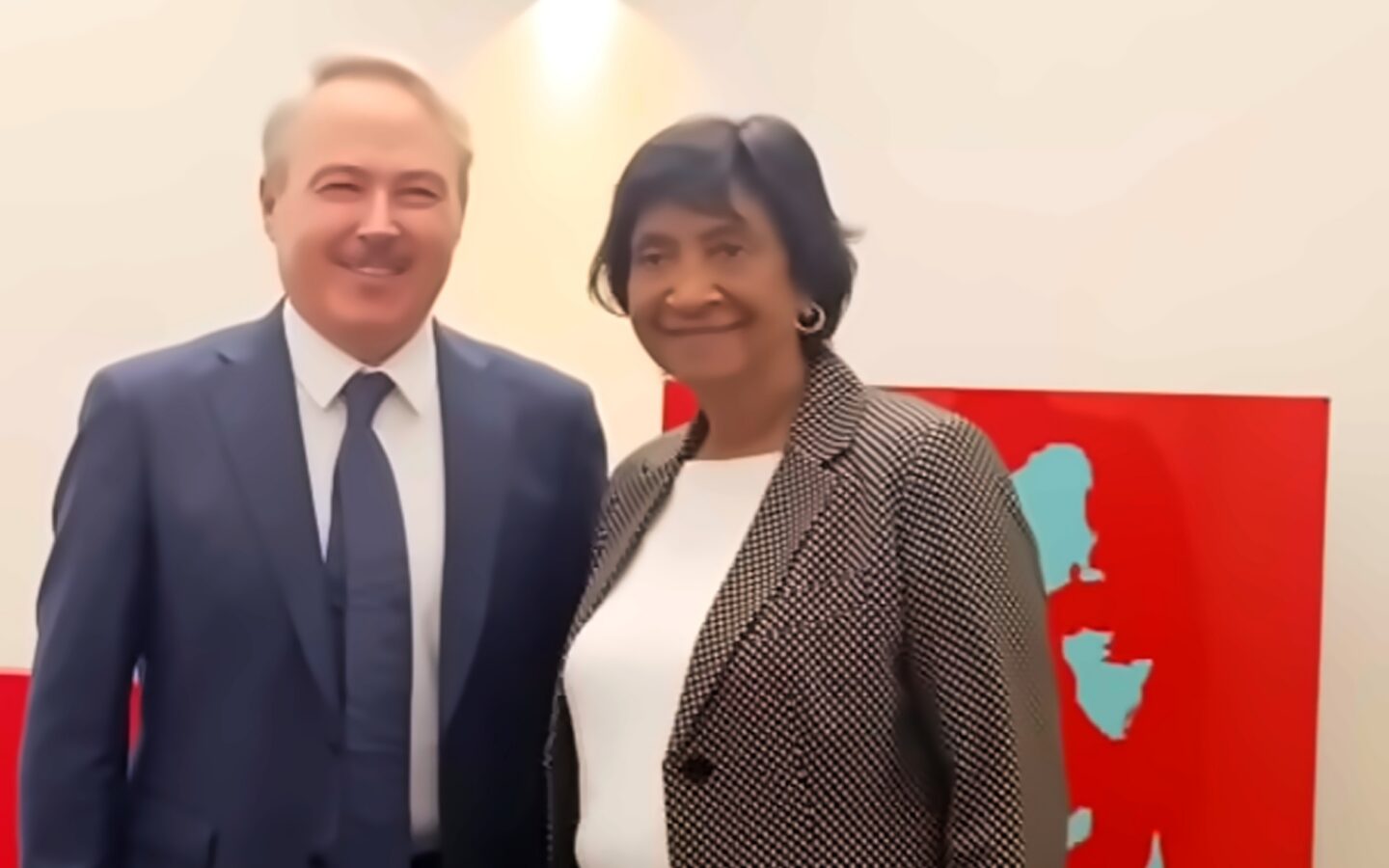
South African jurist Navi Pillay has been awarded the 2026 Nobel Peace Prize for a career spanning anti-apartheid law, international criminal justice and United Nations human-rights work. The Norwegian Nobel Committee said the 85-year-old lawyer had helped expand the reach and practical impact of international law and had spent decades pressing for accountability for war crimes, crimes against humanity and genocide. The decision arrives at a politically charged moment for international courts, with major governments openly challenging their authority.
From apartheid South Africa to international courts
Pillay was born in Durban during apartheid and built her legal career under a system that imposed racial restrictions on education, employment and political participation. She became the first non-white woman appointed to South Africa’s High Court.
Her work later moved to international institutions. Pillay served as a judge on the International Criminal Tribunal for Rwanda, including as its president, and later became a judge at the International Criminal Court. She also served as U.N. High Commissioner for Human Rights.
The Nobel Committee emphasized the rule of law
The committee framed the award as recognition not only of Pillay personally but of international legal institutions at a time when they face political pressure. It cited her role in strengthening legal accountability for severe human-rights abuses.
The prize carries about $1.2 million and will be formally presented in Oslo on December 10. Pillay is the fifth South African to receive the Peace Prize, joining figures including Nelson Mandela and Desmond Tutu.
Her recent Gaza role made the award politically sensitive
Pillay chaired a U.N. commission of inquiry that concluded Israel committed genocide in Gaza. Israel rejected that finding and accused the panel and broader U.N. system of bias.
The Nobel award therefore immediately became part of a wider dispute over international institutions. Supporters see Pillay as a principled defender of legal accountability regardless of the government involved. Critics argue that some U.N. bodies apply standards inconsistently, particularly toward Israel.
Israel reacted sharply
Israeli officials criticized the Nobel decision, pointing to Pillay’s role in investigations of Israeli military and occupation policies. Israel has long had a confrontational relationship with several U.N. human-rights bodies and says it is singled out disproportionately.
Pillay has defended the independence of her work, arguing that findings should be judged on evidence and legal standards rather than political reaction. The controversy illustrates the central problem facing international justice: courts and commissions can issue findings, but they depend on states for cooperation and enforcement.
The ICC is facing unprecedented political pressure
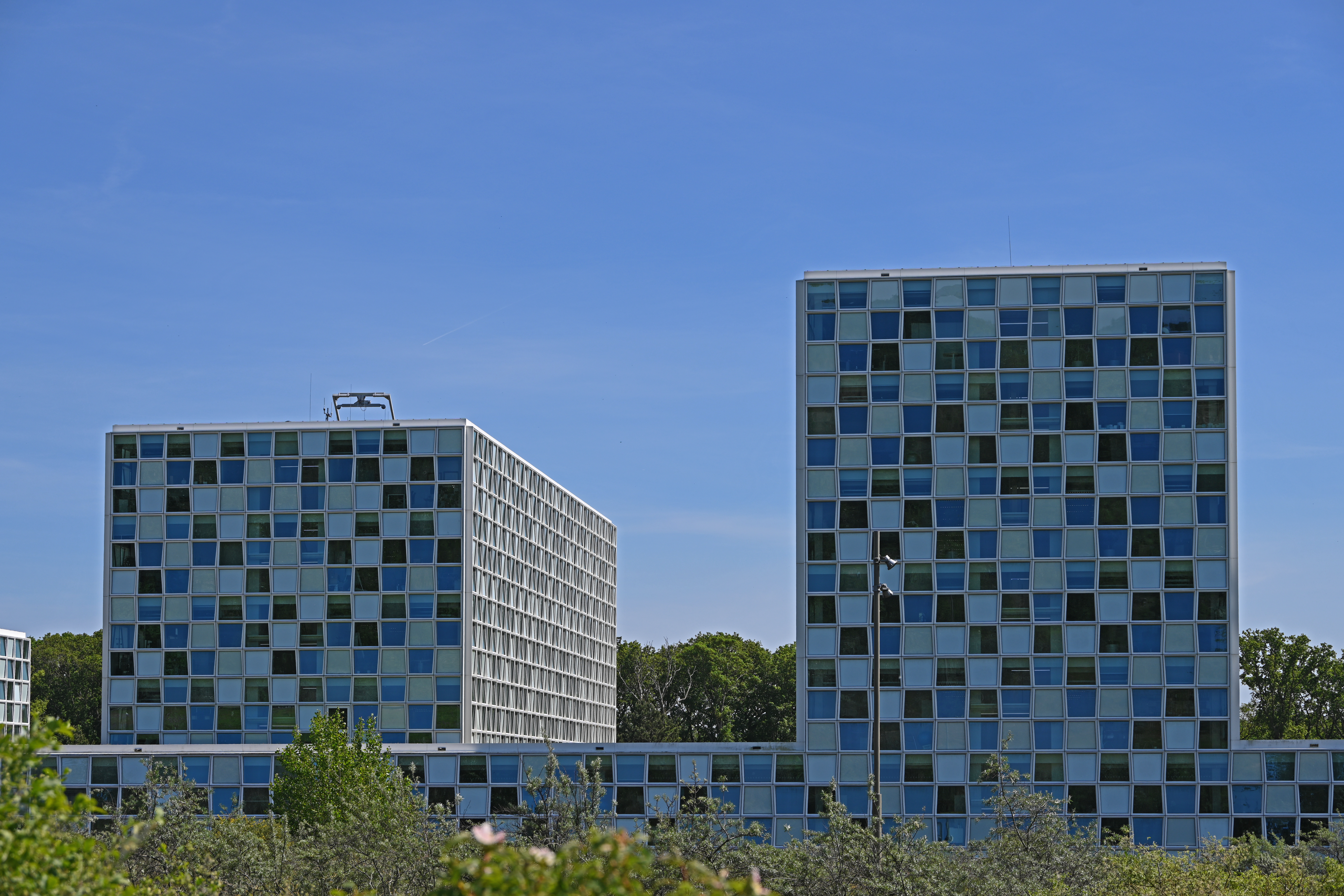
The award came just as the United States imposed sweeping new sanctions on the International Criminal Court. Washington says the court has no authority over U.S. personnel or officials from allied countries that reject its jurisdiction.
The ICC argues that attacks on its staff and financial infrastructure threaten the ability to investigate atrocities. European governments and rights organizations have defended the court even when they disagree with specific cases.
Why international law remains contested
International courts do not operate like national judicial systems. They lack their own police forces and often depend on governments to arrest suspects or provide evidence. Powerful states can refuse cooperation.
That makes international law vulnerable to accusations of selective enforcement. Leaders from weaker states have historically faced prosecution more often than officials from major powers. Supporters say the solution is stronger universal enforcement; critics say the imbalance undermines legitimacy.
Pillay’s Rwanda work remains a major part of her legacy
At the tribunal for Rwanda, Pillay participated in cases that helped establish important legal precedents around genocide and sexual violence. Those rulings contributed to the recognition of rape and sexual violence as acts that can form part of genocide or crimes against humanity.
That jurisprudence influenced later international cases and domestic prosecutions. The Nobel Committee pointed to this broader legal legacy when explaining the award.
The prize also sends a political message
Nobel Peace Prize selections often recognize individuals while signaling concern about current global trends. Choosing an international jurist in 2026 places the rule of law, accountability and multilateral institutions at the center of the committee’s message.
Wars in Ukraine, Gaza and other regions have intensified debates about whether international law can constrain state power. Arrest warrants, sanctions and competing legal interpretations have become part of geopolitical conflict rather than existing outside it.
Support from the United Nations
U.N. Secretary-General António Guterres congratulated Pillay and described her as a champion of human rights and international law. Legal advocates also praised the selection as recognition of institutions facing growing pressure.
Opponents, particularly in Israel and some U.S. political circles, are unlikely to view the award as neutral. That divide means the prize will probably increase debate around Pillay’s recent work rather than simply celebrate her earlier career.
A career built around accountability
Pillay’s professional life connects several eras of human-rights law: apartheid, the Rwanda genocide tribunal, the creation of the ICC, U.N. human-rights leadership and contemporary investigations in Gaza.
The Nobel Committee’s decision places that career in a broader argument about whether international legal institutions can survive political pressure from powerful states. The award does not settle that question, but it ensures the debate will remain prominent as Pillay prepares to receive the prize in Oslo in December.
Sources
- Norwegian Nobel Committee
- United Nations
- Reuters and Associated Press, Oct. 9-10, 2026