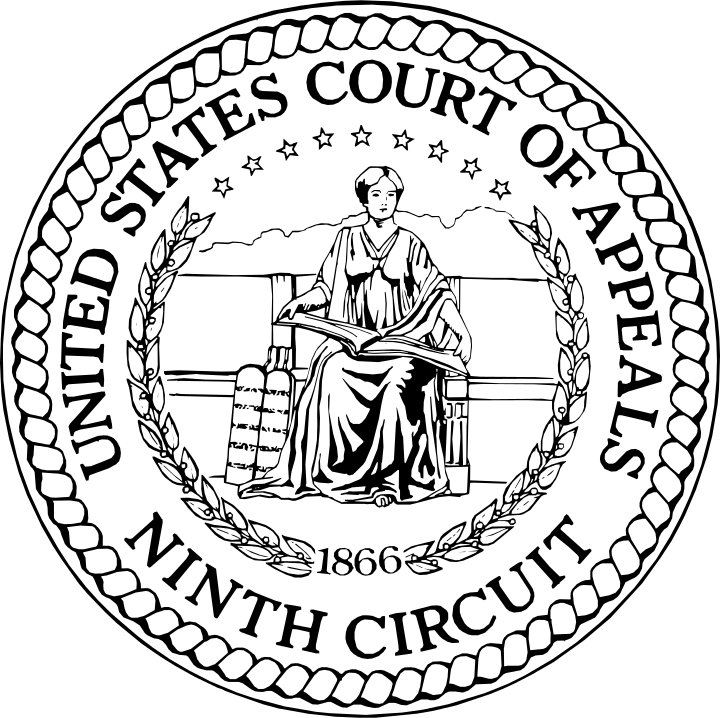
A U.S. federal appeals court appeared skeptical on Sunday of the Trump administration’s attempt to force California election officials to segregate thousands of mail-in ballots linked to people the Justice Department suspects may be noncitizens. During a rare weekend hearing, judges on the 9th U.S. Circuit Court of Appeals questioned both the legal basis for the requested injunction and whether the court should intervene before a lower-court hearing scheduled for Tuesday.
The dispute centers on about 20,000 names
The Justice Department provided California officials with a list of roughly 20,000 people it says may be noncitizens registered to vote.
The administration wants ballots associated with those names separated and not counted until citizenship is verified.
California disputes the government’s data
State officials say their election safeguards are robust and argue that the federal list relies on unreliable or incomplete information.
California also contends that the federal government is attempting to intrude into election administration traditionally handled by states.
A Trump-appointed judge raised constitutional concerns
Judge Mark Bennett questioned whether the administration’s requested order could be reconciled with the Constitution’s Elections Clause.
That clause gives states significant authority to determine how elections are administered, subject to congressional rules.
Jurisdiction is another obstacle
Judge Gabriel Sanchez questioned why the appeals court should intervene before the district court has ruled on the administration’s request.
The procedural issue could allow the panel to avoid deciding some of the broader constitutional questions immediately.
The timing is politically sensitive
The November 3 midterm elections will determine control of Congress. California has 52 House seats, more than any other state.
Any legal dispute affecting ballot counting in the state therefore has national political consequences.
Noncitizen voting is extremely rare
Available evidence indicates that illegal voting by noncitizens occurs at very low levels. A Reuters investigation found only a small number of federal prosecutions, many involving confusion or administrative errors.
That does not eliminate the legal issue, but it shapes the debate over whether sweeping federal intervention is proportionate.
The administration has expanded election oversight
The Trump administration has pushed states to provide voter-registration data and has argued that stronger federal involvement is needed to protect election integrity.
Critics, including some election officials from both parties, say the approach risks politicizing routine election administration.
California is a major target in Trump’s broader disputes
The president has repeatedly clashed with California over immigration, environmental regulation and state authority.
The election lawsuit adds voting procedures to that list of federal-state conflicts.
A fast ruling is expected
The appellate panel said it would try to act quickly because ballots are already being returned and Election Day is close.
The lower court has separately scheduled a hearing, creating a compressed legal timetable.
The case could set a wider precedent
If the administration succeeds, similar strategies could be used in other states where federal officials dispute voter-roll data.
If the courts reject the request, the decision could limit how aggressively the Justice Department can intervene in state ballot administration before an election.
The legal fight may continue beyond Tuesday
Whatever the 9th Circuit decides, further appeals are possible. Given the stakes and timing, the dispute could move rapidly through the federal courts.
The immediate question is whether California will be forced to change its ballot-counting procedures just days before the midterms.
Sources
- Reuters, Oct. 25, 2026
- 9th U.S. Circuit Court of Appeals proceedings
Election officials warn about operational disruption
Changing ballot procedures close to Election Day can create logistical problems even when a court order is legally clear. County officials would need to identify affected voters, separate envelopes or ballots, document chain of custody and train staff on a new process. California argues that such last-minute changes could themselves increase the risk of administrative error.
The dispute therefore involves more than the abstract question of voter eligibility. Courts must also weigh the practical consequences of imposing a new statewide procedure while voting is already underway.
Legal scholars will also watch how the court treats the federal government’s evidence. A list of possible noncitizens is not the same as proof that every person is ineligible, and voter databases can contain outdated citizenship or address information. The evidentiary threshold the judges require could shape future federal challenges to state voter rolls.