
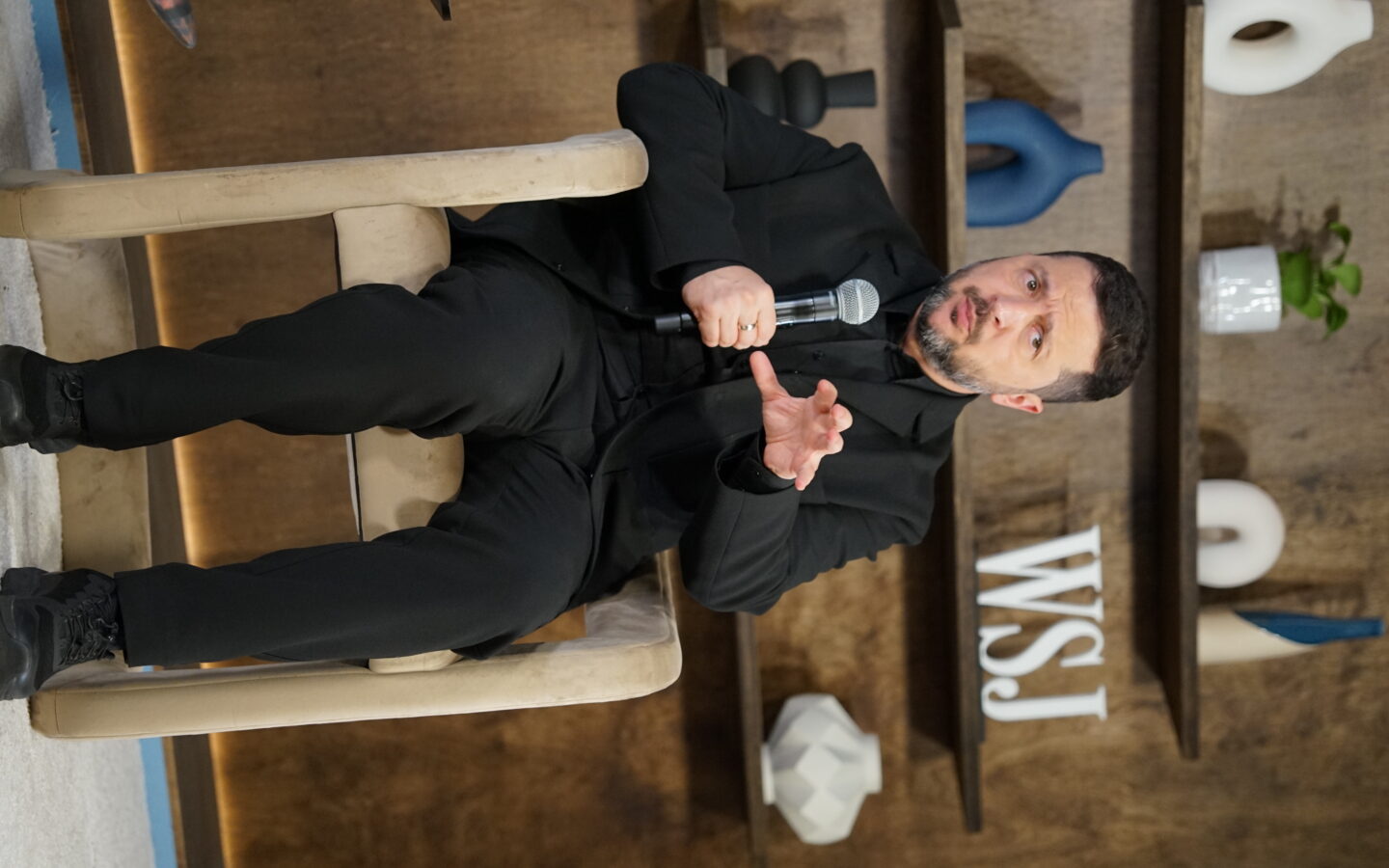
Ukrainian President Volodymyr Zelenskyy said U.S. warnings about imminent Russian ballistic-missile attacks have been fully restored, reversing a disruption that had alarmed Kyiv’s air-defense planners. He also said SpaceX’s Starshield service had returned to higher operating speeds after earlier restrictions. The changes follow a tense period in U.S.-Ukraine relations marked by disputes over Ukrainian strikes on Russian energy infrastructure and Washington’s concern about rising global fuel prices.
Missile warnings are vital for air defense
Advance warning of ballistic launches can give Ukrainian air-defense units crucial extra time to identify trajectories and prepare interceptors.
Because ballistic missiles travel at very high speed, even a short loss of warning time can reduce the chance of successful interception.
Zelenskyy linked the change to talks in Oslo
The Ukrainian leader said the restoration followed discussions with U.S. special envoy Steve Witkoff.
Kyiv has been trying to repair relations with Washington after weeks of public disagreement over Russian refinery strikes.
Starshield performance also improved
Zelenskyy said Starshield service had returned to operating at speeds of up to 420 kilometers per hour after earlier throttling.
The satellite network is particularly important for communications and sensor links on fast-moving military platforms.
Ukraine had feared politically motivated restrictions
Recent limitations on satellite services fueled concern in Kyiv and several European capitals that U.S.-controlled technology could be used as leverage.
SpaceX and U.S. officials have offered differing explanations for some of the earlier disruptions.
The refinery dispute remains unresolved
Washington has urged Ukraine to reduce attacks on Russian oil refineries because of concerns about global fuel prices.
Kyiv argues the facilities support Russia’s war economy and are legitimate targets while Russia continues to strike Ukrainian energy infrastructure.
Zelenskyy set conditions for halting strikes
The Ukrainian president said Kyiv could stop refinery attacks if Russia stopped hitting Ukrainian energy sites, if Washington allowed broader Starshield use for detecting launch sites, or if the U.S. supplied additional Patriot air-defense systems.
Those conditions show how energy, intelligence and air defense have become linked in the negotiations.
Patriot missiles remain a priority
Ukraine continues to request more Patriot systems and interceptor missiles to defend major cities and power infrastructure.
Ballistic missile defense is one of the areas where Ukraine has limited substitutes for U.S.-made systems.
November talks are approaching
Technical talks involving Ukraine, Russia and the United States are expected in November. Zelenskyy said some issues, including limits on Ukraine’s armed forces and enforced neutrality, are not open for discussion.
Territorial questions, he said, can only be decided at the level of national leaders.
A possible Putin meeting remains on the table
Zelenskyy again called for a U.S.-brokered meeting with Russian President Vladimir Putin.
No breakthrough has emerged, but Kyiv says direct leadership-level talks would be necessary for any territorial settlement.
Europe is watching the technology question closely
The episode has intensified European debate about dependence on U.S. satellite, software and intelligence infrastructure.
Several governments are exploring sovereign alternatives or contractual safeguards to reduce the risk that critical systems could be restricted during a crisis.
Restoration reduces immediate pressure but not the political rift
Returning missile warnings and Starshield performance gives Ukraine immediate operational relief. It does not resolve the larger disagreement with Washington over war strategy and energy targets.
The durability of the restored support will depend on whether both governments can keep security cooperation separate from their political disputes.
Sources
- Reuters, Oct. 25, 2026
- Statements by Ukrainian President Volodymyr Zelenskyy
Reliance on U.S. systems remains a strategic vulnerability
Ukraine’s military has adapted around Western intelligence, satellite communications and air-defense technology, but that integration also creates dependency. When access is restricted, even temporarily, Kyiv has limited ability to replace some functions with European systems at short notice.
European governments are investing in sovereign satellite networks and intelligence capacity, yet those projects take years to scale. The Starshield episode is likely to accelerate those efforts while also prompting demands for clearer contractual guarantees around wartime access.
For Ukraine’s commanders, the practical test will be whether the restored services remain reliable during large Russian missile salvos. A short-term technical improvement has limited value if access can be reduced again during a political dispute. Kyiv is therefore likely to seek not only restored performance but more predictable rules governing when and how U.S.-provided capabilities can be used.