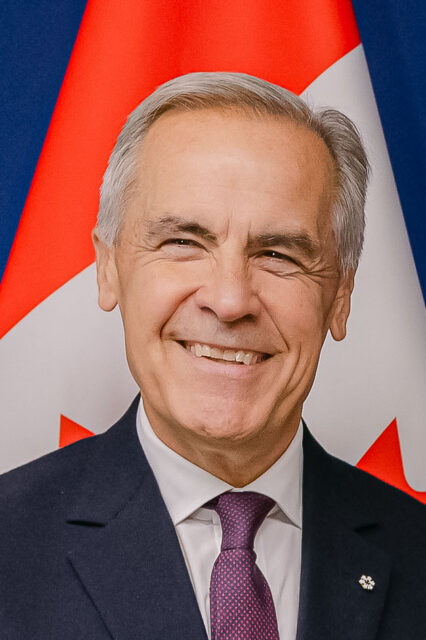

British Prime Minister Andy Burnham says his government is willing to discuss a formal apology for the United Kingdom’s historical role in the trans-Atlantic slave trade, while rejecting financial reparations. The comments, made ahead of a Commonwealth leaders’ meeting in Antigua and Barbuda, mark a more open position on the language of an apology without endorsing compensation demands.
Recognition without a promise of reparations
In an article published in The Guardian, Burnham acknowledged Britain’s involvement in slavery and its lasting consequences. He argued that present-day Britons should not be held personally liable for wrongs committed under past legal systems.
He offered a structured dialogue with countries and communities affected by the trade. Burnham’s position leaves room for symbolic acknowledgment and future cooperation, but no commitment to direct payments.
Caribbean governments seek more
Caribbean leaders have argued that the effects of enslavement remain visible in economic inequality and development outcomes. Barbados Prime Minister Mia Mottley and Antigua and Barbuda Prime Minister Gaston Browne welcomed the willingness to talk while maintaining their support for reparatory justice.
Their position illustrates the gap between acknowledging historical harm and agreeing on a remedy. Countries may differ on what a formal apology should include and whether it should be accompanied by financial measures.
Debt relief offered as a route forward
Burnham proposed working with wealthy countries and investors to ease pressure on developing nations through longer repayment periods and lower borrowing costs. Former Prime Minister Gordon Brown is expected to help advance that initiative.
Debt relief and historical reparations are not interchangeable concepts. One addresses financing burdens through economic policy, while the other seeks redress for past injustice.
What happens at the Commonwealth meeting?
Leaders will have an opportunity to test whether discussions can move beyond broad statements toward specific forms of cooperation. Differences over reparations are likely to remain, even if there is agreement on education, health and economic development priorities.
Sources: Associated Press, October 31; Reuters, October 31.