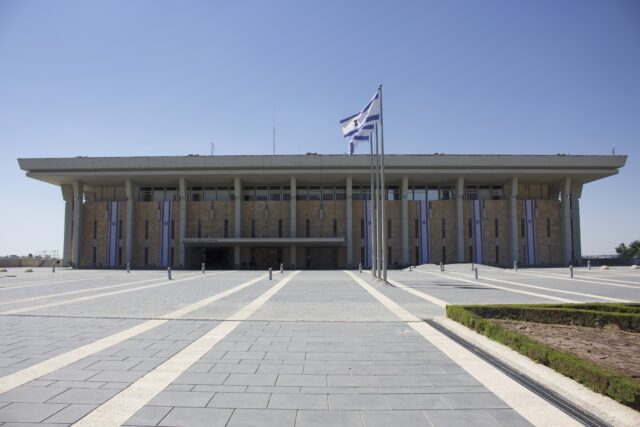
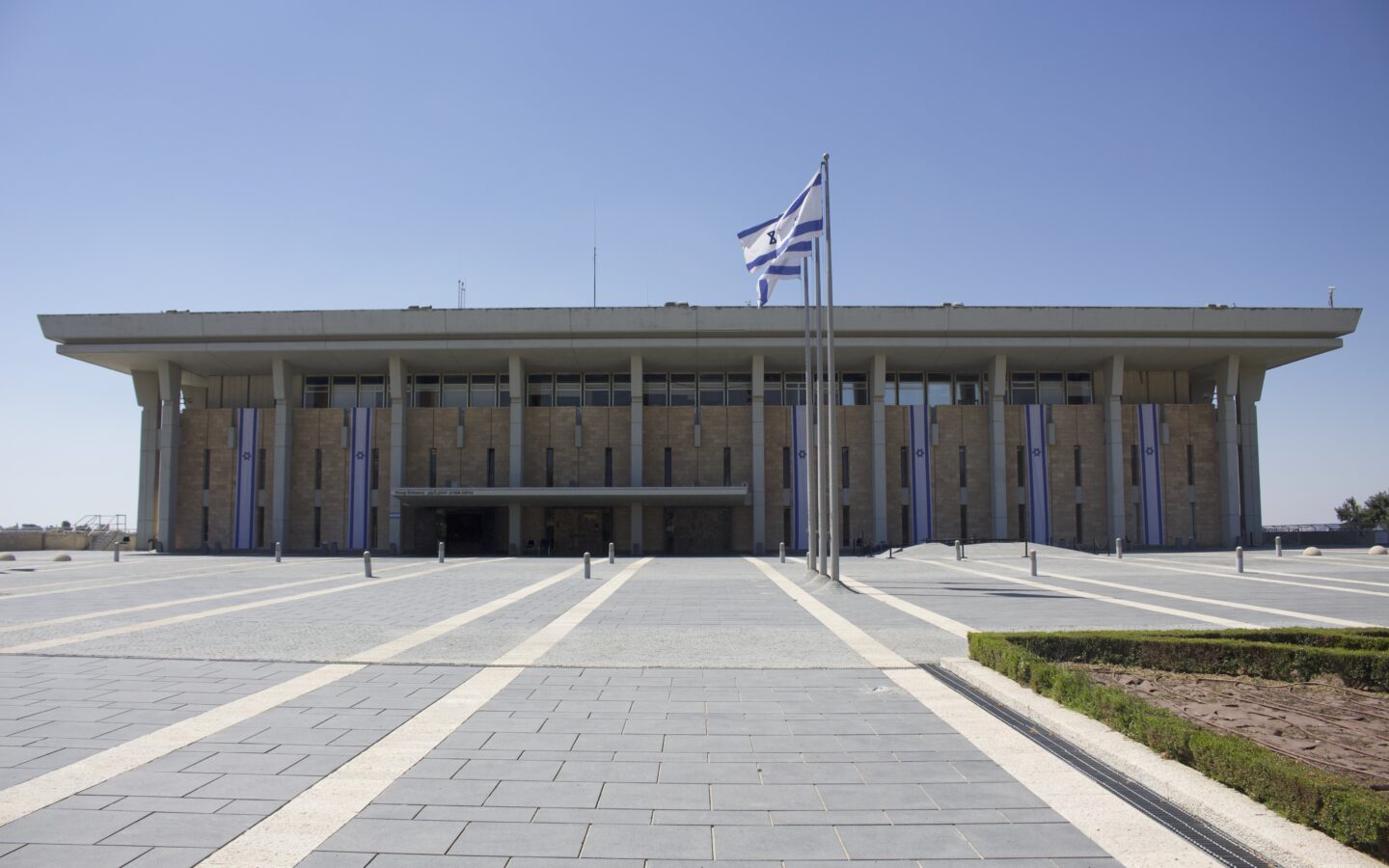
Israelis are voting in the country’s first national election since the Hamas attack of October 7, 2023, after three years of war, political confrontation and major shifts in the region. Prime Minister Benjamin Netanyahu is seeking another term, while a centrist opposition led by former military chief Gadi Eisenkot is trying to assemble a governing majority. Polling stations are due to close at 10 p.m. local time.
A vote after three years of war
The election comes after conflicts in Gaza, Lebanon and Iran reshaped Israel’s security debate and foreign relations. Voters are weighing military policy, the economy, relations with allies and the future of Netanyahu’s government.
Security remains central, but cost-of-living pressures and institutional questions are also influencing the campaign.
No bloc is assured of 61 seats
Pre-election polling suggested neither Netanyahu’s bloc nor the opposition was guaranteed the 61 seats needed for a majority in the 120-seat Knesset.
That raises the possibility of prolonged coalition negotiations even after the ballots are counted.
Netanyahu remains the dominant figure
Netanyahu has shaped Israeli politics for much of the past two decades and has campaigned on his record of confronting Hamas and Iran.
Supporters argue his experience is essential in a dangerous regional environment. Opponents say the country needs a political reset after years of war and domestic division.
Eisenkot offers a centrist alternative
Former military chief Gadi Eisenkot has emerged as the main opposition figure in the election. His campaign has focused on national unity, institutional stability and restoring Israel’s international relationships.
He has also promised a different governing style while maintaining a tough security posture.
The economy has been resilient but costly
Israel’s stock market and currency have performed strongly over the past three years, supported by technology and defence spending. Yet the wars have imposed a major fiscal cost.
Reuters reported that the conflict has cost the economy more than $55 billion, while public debt has risen to nearly 70% of GDP and the budget deficit remains elevated.
Markets are watching coalition arithmetic
Investors are less focused on the election-day winner than on whether a stable coalition can be formed. A prolonged deadlock could delay budgets and reforms.
Some analysts believe an opposition-led government could reduce Israel’s political risk premium and improve relations with Western allies.
Regional implications are significant
The outcome could influence Israel’s approach to Iran, Gaza, Lebanon and normalization efforts with Arab states. Both major camps have pledged to maintain security pressure, but they differ on diplomacy and governance.
Neighbouring governments will therefore watch coalition negotiations almost as closely as the vote totals.
Results may not produce an immediate government
Even if one bloc finishes ahead, the president must consult parties and assign a candidate to form a coalition. That process can take weeks.
Israel has experienced repeated elections in recent years when no stable majority could be assembled.
Sources
- Reuters live election coverage, Oct. 27, 2026
- Reuters market and political analysis, Oct. 26-27, 2026
- Anadolu Agency election coverage, Oct. 27, 2026
Seçimin sonucu aynı zamanda İsrail’in ABD ve Avrupa ile ilişkilerini etkileyebilir. Netanyahu hükümetinin bazı Batılı müttefiklerle yaşadığı gerilimler kampanyanın dış politika boyutunu oluştururken, muhalefet ilişkileri onarma sözü veriyor. Bununla birlikte güvenlik politikasında iki ana blok arasında keskin bir kopuş beklenmiyor; fark daha çok diplomasi, kurumlar ve koalisyon ortaklarının niteliğinde ortaya çıkabilir.
Security policy will remain central after the vote
Whichever bloc forms the next government will inherit unresolved conflicts and a difficult regional environment. Decisions on Gaza, Iran, Lebanon and military spending will compete with demands to repair public finances and restore investment.
That makes the post-election coalition agreement unusually important. Parties will need to decide not only who holds key ministries but also how security and fiscal priorities are balanced.
International partners are watching closely
Washington and European governments have worked with Netanyahu through years of conflict while also criticising parts of his policy. A change of government could alter diplomatic tone even if core security cooperation remains intact.
Arab states involved in normalization or mediation efforts will also look for signs that the next coalition is willing to reopen diplomatic channels. The election result therefore has consequences beyond domestic Israeli politics.
Another issue is the future of compulsory military service and the exemptions enjoyed by ultra-Orthodox communities. The dispute has repeatedly threatened coalition stability and became more politically charged during the long war. Any government that depends on religious parties will have to address the question while maintaining enough support from reservists and secular voters to preserve military readiness.