
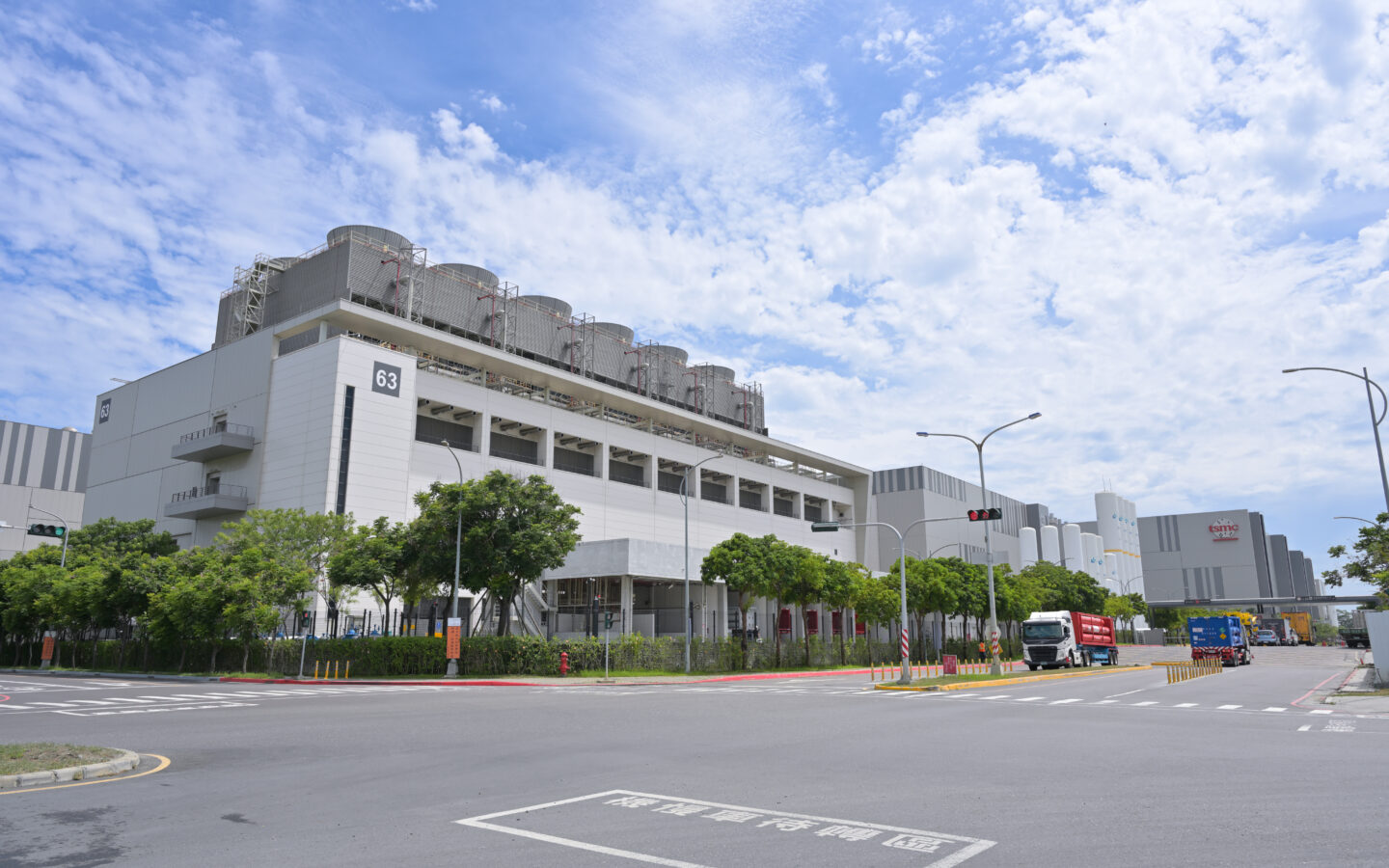
Taiwan Semiconductor Manufacturing Co. is expected to report its sixth consecutive quarter of record profit when it releases third-quarter results on October 15, as demand for advanced chips used in artificial intelligence continues to outpace expectations. Analysts surveyed by Reuters expect net profit to rise about 65% from a year earlier to roughly T$746.3 billion, or about $23.4 billion. The expected result follows another record revenue quarter and would extend TSMC’s profit-growth streak to 11 consecutive quarters.
AI is the central driver
TSMC manufactures advanced processors for many of the world’s largest technology companies, including Nvidia and Apple.
The explosive growth of AI data centers has increased demand for the company’s most advanced manufacturing nodes and specialized packaging capacity.
Third-quarter revenue already exceeded expectations
TSMC reported September revenue of about T$511.9 billion, up 54.6% from a year earlier. Revenue for the first nine months reached roughly T$3.9 trillion.
The company’s official third-quarter guidance called for revenue between $44.6 billion and $45.8 billion.
Advanced packaging is almost as important as chip fabrication
High-performance AI accelerators need sophisticated packaging systems that connect multiple chips and high-bandwidth memory.
TSMC’s CoWoS packaging technology has become a major capacity constraint across the AI supply chain, allowing the company to benefit beyond traditional wafer manufacturing.
Nvidia remains a major source of demand
Nvidia’s AI processors require leading-edge manufacturing and advanced packaging, making TSMC a critical supplier to the most profitable segment of the current AI boom.
As hyperscalers continue to spend on AI infrastructure, chip orders are expected to remain strong.
Apple still matters
AI gets most of the market attention, but Apple remains another important TSMC customer. Smartphone and personal-computing demand helps diversify the company’s revenue base.
The mix between consumer electronics and AI infrastructure can influence margins because advanced products generally command higher prices.
3-nanometer production is expanding
Analysts expect demand for TSMC’s 3-nanometer process to remain strong. These advanced nodes are used in premium mobile processors and increasingly in high-performance computing.
Higher utilization of leading-edge factories supports profitability, although new fabs require enormous capital investment.
U.S. expansion is accelerating
TSMC has committed hundreds of billions of dollars to manufacturing capacity in Arizona and is considering additional U.S. expansion over time.
The strategy reduces geopolitical concentration but increases costs because construction and labor are generally more expensive in the United States than in Taiwan.
Texas has emerged as a possible future location
Reuters reported that the company has explored potential expansion into Texas, although analysts disagree on whether additional capacity is needed immediately.
Arizona remains the center of TSMC’s U.S. manufacturing buildout.
Geopolitics remains the largest long-term risk
TSMC’s extraordinary importance to the global chip industry means Taiwan’s security is a major economic issue.
Governments in the United States, Japan and Europe want more semiconductor production on their own territory partly to reduce dependence on one geographic location.
The valuation reflects enormous expectations
TSMC’s market value has risen dramatically as investors treat it as one of the main infrastructure providers of the AI economy.
That creates pressure to keep delivering strong growth. A slowdown in AI spending could affect both earnings expectations and the stock’s valuation.
Capital expenditure will be watched closely
Investors will pay close attention to TSMC’s spending guidance for new fabs and equipment. Advanced semiconductor plants cost tens of billions of dollars and take years to build.
Management must add capacity quickly enough to meet demand without creating expensive overcapacity if the cycle turns.
October 15 results could reset expectations
The official earnings conference will give investors new information on AI demand, margins, advanced packaging and U.S. investment plans.
If the expected record profit is confirmed and guidance remains strong, the result would reinforce the view that AI infrastructure spending is still expanding rather than peaking.
Sources
- TSMC monthly revenue and official Q3 guidance
- Reuters analyst survey, Oct. 12, 2026
Margins will reveal how valuable the AI mix has become
Revenue growth alone will not tell the full story. Investors will focus closely on gross margin because leading-edge nodes and advanced packaging can carry stronger economics than older manufacturing processes. If utilization remains high and customers continue competing for scarce capacity, TSMC may be able to defend premium pricing even while it spends heavily on new fabs.
Foreign expansion creates the opposite pressure. New facilities in the United States and other countries generally cost more to build and operate than comparable capacity in Taiwan. Management has repeatedly said it intends to protect long-term profitability, so the October 15 call will be watched for evidence that overseas investment is not eroding the economics of the AI boom.


