
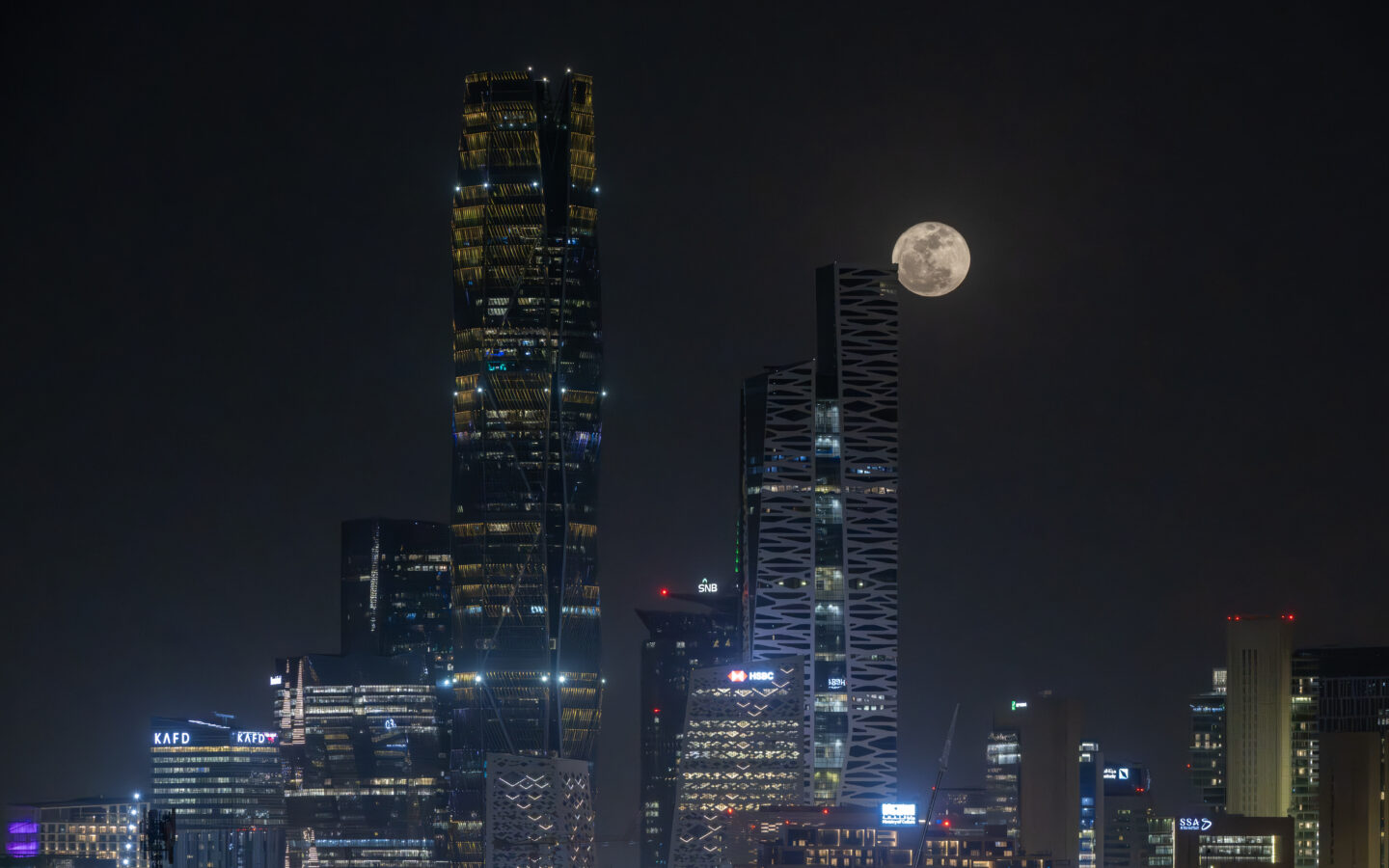
Saudi Arabia is moving ahead with two major international conferences despite the deadly missile attack on Riyadh’s King Khalid International Airport and continuing security concerns over Houthi strikes. Organizers of the World Petroleum Congress and Future Investment Initiative said their events remain on schedule, while authorities strengthen security around airports, hotels and conference venues. The decision is a test of Riyadh’s effort to present itself as a stable global business hub even as the regional conflict increasingly affects civilian aviation and international travel.
The World Petroleum Congress begins immediately
The World Petroleum Congress is scheduled for October 10-14 and is expected to bring oil executives, government officials and energy specialists to Riyadh. The gathering comes at an unusually sensitive time for the industry. Oil prices remain elevated, shipping routes face disruption and governments are trying to balance energy security with inflation concerns.
Some foreign officials are changing travel plans. Italy’s energy minister, for example, is expected to participate virtually rather than attend in person. Other delegations are reviewing security advice before traveling.
The Future Investment Initiative is also staying on track
The Future Investment Initiative, scheduled for October 26-29, remains planned as an in-person event. The conference has become one of Saudi Arabia’s most important annual gatherings for global finance and technology.
Major bank executives, sovereign-wealth officials, technology leaders and investors are typically invited. Organizers have indicated that figures such as JPMorgan CEO Jamie Dimon and Citi CEO Jane Fraser are among the high-profile participants expected or invited, although individual attendance can still change.
The airport attack changed the security calculation
Houthi missile strikes on King Khalid International Airport killed several people, damaged an aircraft and caused flight disruptions. The group has also warned airlines to avoid Saudi airspace, calling parts of it a military zone.
Saudi-led forces responded with strikes on Houthi positions in Yemen. The exchange creates a difficult environment for conference organizers because the security threat is not limited to ground venues; it includes the routes international visitors must use to enter the country.
Airlines are reassessing Riyadh service
Lufthansa, Flydubai and other carriers have suspended or adjusted flights at different points during the escalation. Etihad and regional airlines have also reviewed schedules. Aviation authorities in Europe have widened conflict-zone warnings for parts of Saudi airspace.
For conference visitors, these changes can mean rerouting through other Gulf hubs, longer travel times or last-minute cancellations. Organizers say they are providing alternative travel information and coordinating with local authorities.
Why Saudi Arabia is determined not to cancel
Hosting large international events is a central part of the kingdom’s Vision 2030 strategy. Riyadh wants to become a global center for finance, tourism, entertainment and business services rather than depend almost entirely on oil exports.
Cancelling major conferences after an attack could damage confidence in that strategy. Proceeding allows Saudi officials to signal that the capital remains functional and that security institutions can manage disruption.
But proceeding carries reputational risk too
If another attack affects visitors or disrupts events, critics could argue that organizers underestimated the threat. Companies have their own duty-of-care obligations and may decide that participation is not worth the risk even if the conference remains officially open.
This creates a gap between government confidence and corporate risk tolerance. Large multinationals rely on security consultants, insurers and internal travel rules that can be stricter than host-country guidance.
The energy conference is especially symbolic
Saudi Arabia is one of the world’s largest oil exporters, and the World Petroleum Congress is taking place while energy markets are already under stress. Conflict involving Iran, disruption around the Strait of Hormuz and attacks from Yemen have all increased concern about supply.
Holding the congress in Riyadh during that turmoil gives the event unusual urgency. Discussions that might normally focus on long-term investment and energy transition are likely to be dominated by immediate questions about physical security, shipping and spare production capacity.
Investment leaders will watch whether the crisis changes Vision 2030
The Future Investment Initiative has become a showcase for Saudi megaprojects and sovereign investment. Investors will want to know whether heightened military spending or security concerns could alter priorities.
Saudi Arabia has committed enormous capital to infrastructure, tourism, sports, artificial intelligence and new industries. Persistent regional conflict could raise project costs and make some foreign investors more cautious.
Security will be visible around the events
Organizers say protection is being strengthened at venues, airports and hotels. Saudi authorities have substantial experience securing high-level summits and major religious events, but the missile threat adds a different dimension.
Air defense systems can intercept incoming missiles, yet debris and temporary airspace closures can still disrupt normal operations. Security planners must therefore manage both physical protection and continuity of transport.
A broader test of Riyadh’s global-hub ambitions
The conferences are more than isolated events. They are part of Saudi Arabia’s campaign to become a place where global executives routinely meet, invest and operate. That ambition requires not only modern venues and hotels but confidence that business can continue during regional crises.
By keeping the World Petroleum Congress and Future Investment Initiative on schedule, Saudi Arabia is making a deliberate statement of resilience. Whether participants respond with the same confidence will become clearer as travel decisions are finalized and the first delegations arrive in Riyadh.
Sources
- World Petroleum Congress and Future Investment Initiative organizers
- Saudi aviation and security authorities
- Reuters, Oct. 10, 2026


