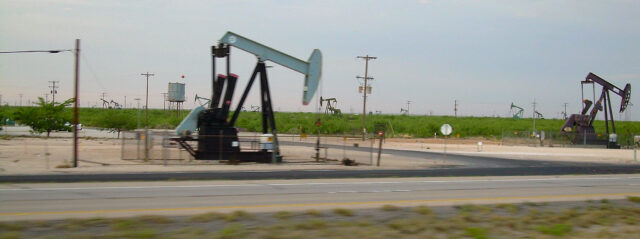

Oil prices rose more than 1% on October 28 after a reported attack on a major Saudi Arabian refinery revived concerns about global supply. Brent crude gained about 1.4% to $115.47 a barrel, while U.S. West Texas Intermediate rose to around $101.33. Yemen’s Iran-aligned Houthi movement claimed responsibility for a missile strike on Saudi Arabia’s largest refinery, although Saudi authorities had not immediately confirmed the incident. The move added another layer of geopolitical risk to a market already dealing with tight inventories and disruptions linked to the wider Middle East conflict.
Why Saudi refining capacity matters
Saudi Arabia is one of the world’s most important oil producers and exporters. Its refining system also plays a major role in supplying diesel, gasoline and other fuels to international markets.
Any credible threat to that infrastructure can move prices quickly because traders must price in the possibility of lost output.
The refinery has large processing capacity
The facility cited in reports can process hundreds of thousands of barrels per day.
Even a temporary disruption at that scale can tighten refined-product markets that are already under pressure.
Brent remains elevated
Brent above $115 reflects a significant geopolitical premium compared with levels seen before the latest escalation.
That premium can disappear quickly if the security situation stabilizes, but it can also rise sharply if additional infrastructure is hit.
U.S. crude inventories are another factor
American Petroleum Institute data indicated U.S. crude inventories fell by about 2 million barrels in the latest week.
That added a fundamental supply signal to the geopolitical concerns driving the market.
Diesel remains especially tight
Refined-fuel markets have been strained by refinery outages and disruptions to Russian and Middle Eastern supply.
High diesel prices matter for freight, agriculture, mining and industrial activity.
OPEC+ faces a difficult decision
The producer group is expected to discuss December output targets at its upcoming meeting.
Maintaining current supply levels may support prices, while adding barrels could help ease inflation pressure but reduce producer revenue.
Energy inflation is feeding into central-bank decisions
Higher oil prices increase transportation and production costs. The Bank of Canada cited energy-driven inflation when it raised rates on the same day.
The Federal Reserve also continues to watch whether energy shocks spread into broader inflation.
Consumers feel the impact through fuel prices
Crude oil is only one component of gasoline and diesel prices, but sustained increases usually reach retail markets with a lag.
That can weaken household purchasing power and raise political pressure on governments.
Airlines and shipping companies are exposed
Jet fuel and marine fuel are major operating costs for transport companies.
Higher energy prices can therefore feed into ticket prices, freight rates and corporate margins.
The Middle East risk premium remains unstable
Markets are trying to assess whether attacks on energy infrastructure will remain isolated or become part of a broader campaign.
Because Saudi Arabia is central to global oil supply, even unconfirmed reports can trigger rapid price moves.
What comes next
Traders will watch for confirmation from Saudi authorities, damage assessments, official U.S. inventory data and signals from OPEC+.
If the refinery remains operational and no further attacks occur, prices could give back some of the risk premium. A confirmed outage or renewed escalation would likely keep crude elevated.
Sources
- Reuters, Oct. 28, 2026
- American Petroleum Institute data cited by Reuters
Corporate margins will be tested
Companies that cannot pass higher fuel costs to customers may see profit margins compressed. Airlines, trucking firms, chemicals producers and manufacturers with energy-intensive processes are particularly exposed. Firms with hedging programs can reduce short-term volatility, but sustained high prices eventually flow through contracts.
That makes the Saudi security situation relevant well beyond the energy sector. A prolonged supply scare can influence inflation expectations, consumer confidence and corporate earnings at the same time.
Global growth could weaken if prices stay high
Persistently expensive oil acts like a tax on importing economies by transferring income from consumers and businesses to producers. Households have less money for discretionary spending, while companies face higher operating costs. If the shock lasts, economists may begin reducing growth forecasts.
The combination of weaker growth and higher inflation is especially difficult for central banks because tightening policy can further slow demand while easing policy risks reinforcing price pressure. Energy security has therefore returned to the center of macroeconomic policy.