
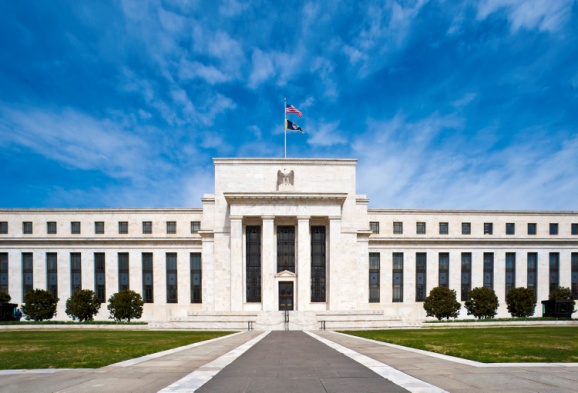
The Federal Reserve kept its benchmark federal funds rate unchanged at 3.75%-4% on October 28, choosing to wait for more evidence on inflation even as two policymakers voted for a quarter-point increase. The 10-2 decision highlighted a growing debate inside the central bank over whether strong domestic demand and persistent price pressures justify another move higher. The Fed said economic activity continues to expand at a strong pace, job gains have kept up with the workforce and inflation remains elevated.
A hold, but not a comfortable one
The decision itself matched broad market expectations, but the split vote made the meeting more hawkish than a routine hold.
Governors Lisa Cook and Beth Hammack preferred to raise the target range by 25 basis points, signaling concern that inflation may be proving too persistent.
Inflation remains above the Fed’s goal
The central bank repeated that inflation is still elevated and that more information will be needed to determine the appropriate policy stance.
That language leaves the door open to a December hike if incoming inflation or labor-market data come in stronger than expected.
Growth is not giving the Fed much relief
U.S. economic activity continues to expand at a strong pace, supported by resilient spending, robust capital investment and productivity gains.
For policymakers hoping that slower demand will help cool inflation, that strength is a mixed blessing.
The labor market remains balanced
The Fed said job gains have kept pace with workforce growth and unemployment has changed little.
That suggests the central bank does not currently face an urgent employment-side reason to cut rates.
Markets care more about December now
Because the October hold was widely expected, investors are focused on whether the Fed is preparing another hike before year-end.
Bond yields, the dollar and rate futures are likely to react to every major inflation and employment report before the December meeting.
Energy prices complicate the outlook
Higher oil and refined-product prices are feeding into transportation and business costs. The longer those pressures persist, the greater the risk that they spread beyond gasoline into broader inflation.
The Fed will be watching whether energy-driven increases remain temporary or become embedded in services and goods prices.
Two dissents matter for communication
Split votes are not unusual, but they provide insight into the balance of opinion inside the FOMC.
Two votes for a hike suggest that the threshold for tightening further may be lower than markets assumed earlier in the year.
The Fed is maintaining ample reserves
Alongside the rate decision, the Fed said it would continue maintaining ample reserves in the banking system.
Its implementation note kept the interest rate on reserve balances at 3.90% and the primary credit rate at 4%.
Financial conditions remain important
Higher Treasury yields can tighten the economy even without a formal Fed hike by raising mortgage, corporate and consumer borrowing costs.
If market rates stay elevated, policymakers may feel less need to raise the policy rate aggressively.
AI investment is supporting demand
Large-scale investment in data centers, chips and power infrastructure has become a meaningful source of capital spending.
That investment is supporting growth, but it also complicates the Fed’s effort to cool demand without damaging the broader economy.
The next meeting could be more consequential
The October decision preserved flexibility rather than resolving the policy debate. If inflation remains sticky and economic activity stays strong, the case for a December hike could strengthen.
If price pressures soften, the Fed may extend the pause. For now, the message is that rates are high, inflation is still a problem and policymakers are not declaring victory.
Sources
- Federal Reserve FOMC statement, Oct. 28, 2026
- Federal Reserve implementation note, Oct. 28, 2026
Political pressure will not determine the formal decision
Interest-rate decisions are made by the FOMC, but monetary policy has become a major political issue because borrowing costs affect mortgages, business investment and the federal budget. The Fed will therefore face intense public scrutiny as the economy moves toward the end of the year.
Officials will try to separate political debate from the data-driven framework they use to assess inflation and employment. The two dissenting votes make that communication challenge more complicated because they show genuine disagreement inside the committee.
Housing remains sensitive to high rates
Mortgage rates are tied more closely to longer-term Treasury yields than directly to the federal funds rate. If markets interpret the meeting as hawkish, housing affordability could remain under pressure even without an immediate policy-rate increase. That channel is one reason the Fed watches broader financial conditions as carefully as its own target rate.