
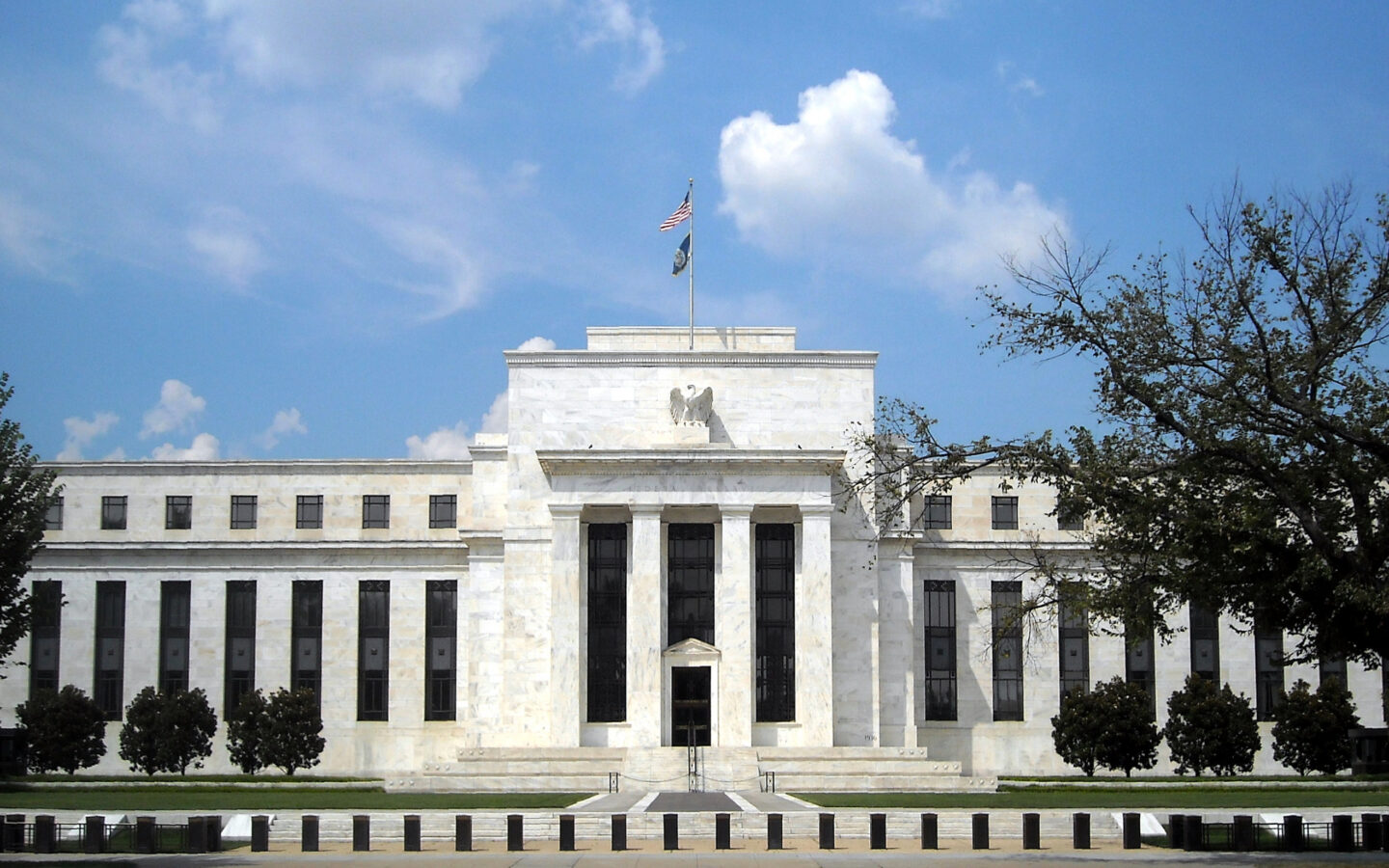
The Federal Reserve is increasingly confronting an unusual inflation problem: the artificial-intelligence investment boom is supporting growth while also adding to demand for electricity, construction, chips and financing. Reuters reported that policymakers now see large-scale AI spending as one factor making the path back to the Fed’s 2% inflation goal more difficult. Because the biggest technology companies can keep investing even when interest rates are high, tighter monetary policy may hit households, housing and smaller businesses harder than the AI leaders driving the demand surge.
AI spending is behaving like a supply-and-demand shock
Technology companies are spending heavily on data centers, power systems and advanced chips. That investment creates demand for scarce equipment, skilled labor and electricity.
When supply cannot expand quickly enough, prices rise.
High rates may not slow the biggest spenders
Large technology companies often have enormous cash balances and access to capital markets. They can continue building data centers even when borrowing costs rise.
That weakens one traditional channel through which higher interest rates reduce investment.
Other parts of the economy feel the medicine
Consumers financing homes, cars or credit-card balances are much more sensitive to interest rates. Small and medium-sized companies also depend more heavily on bank credit.
If the Fed keeps rates high to contain economy-wide inflation, those groups may bear more of the adjustment.
Housing is particularly exposed
Mortgage rates move closely with bond yields and monetary policy expectations. Persistently high rates reduce affordability and discourage construction.
A slowdown in housing could offset some of the growth created by AI investment.
Electricity demand complicates the picture
Data centers require large amounts of power. Utilities must build generation and transmission capacity, often with long lead times.
Rapid demand growth can increase electricity prices before new supply becomes available.
The labor market remains tight
Construction workers, electrical engineers and specialized technicians are in high demand across AI infrastructure projects.
Competition for those workers can push wages higher in sectors already facing shortages.
The Fed does not want to stop productive investment
AI investment could raise productivity and economic potential over time. Policymakers therefore face a difficult balance: controlling short-term inflation without choking off investment that could improve long-term growth.
This makes the current cycle different from a traditional demand boom driven mainly by consumption.
Markets are watching rate expectations
Bond yields and technology stocks react quickly to any sign that the Fed may keep policy tight for longer. Higher discount rates reduce the present value of future profits, especially for high-growth companies.
Ironically, the AI boom can therefore create conditions that pressure AI stock valuations.
Distributional effects are becoming more visible
If wealthy companies continue investing while lower-income households face higher borrowing costs, monetary policy may have unequal effects across the economy.
That does not change the Fed’s inflation mandate, but it increases the political and social sensitivity of policy decisions.
The key question is whether productivity arrives quickly enough
If AI raises output and efficiency rapidly, the economy may absorb large investment without sustained inflation. If productivity gains take years, the demand shock could dominate first.
The Fed’s challenge is making policy before that answer is clear.
Sources
- Reuters, Oct. 19, 2026
- Federal Reserve commentary and economic analysis cited by Reuters