
Spanish paleontologists say fossils unearthed in eastern Spain provide the first evidence that the iconic long-necked dinosaur Diplodocus once lived in Europe.
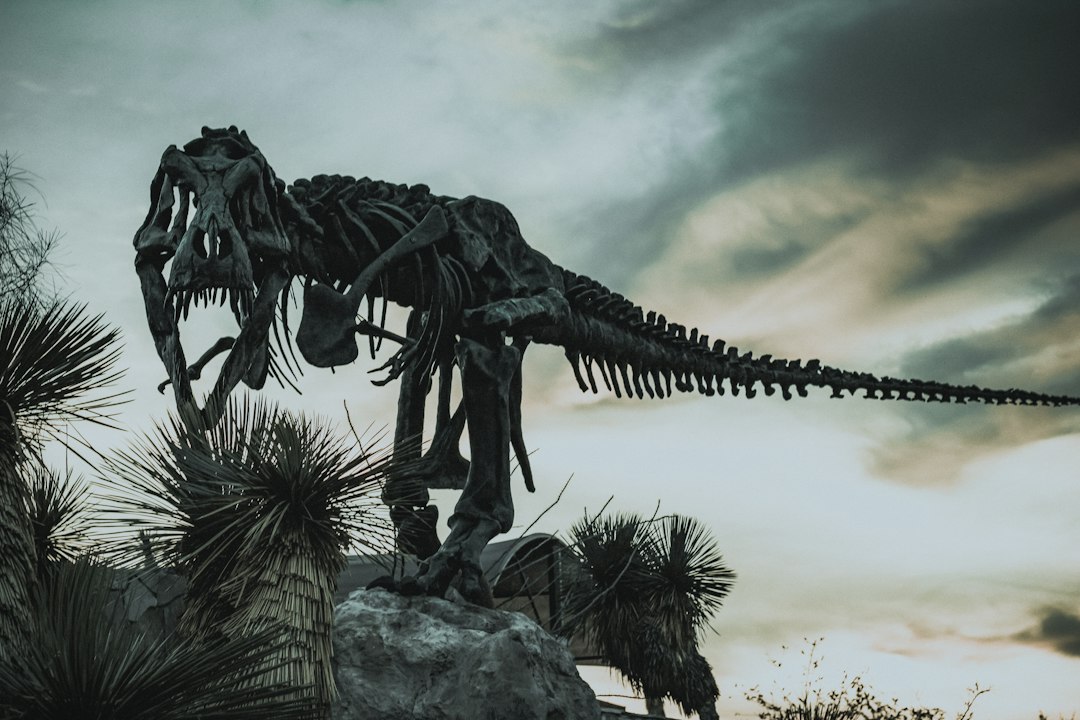
Illustrative image: dinosaur fossil display. The photograph does not show the Spanish specimen. Photo by Mac Cervantes / Unsplash.
A Jurassic surprise in Teruel
Researchers from the Dinopolis Foundation identified 14 tail vertebrae and several chevron bones in roughly 150-million-year-old sediments in Teruel, Reuters reported on September 15. The team concluded that the remains belong to the genus Diplodocus.
Until now, Diplodocus fossils were known from North America. The Spanish specimen therefore changes the known geographic range of one of the world’s most recognizable sauropods.
A giant herbivore
The researchers estimate the animal may have measured around 25 meters, or about 82 feet, in length. Diplodocus is known for its extremely long neck and tail and a body plan adapted to life as a large plant-eating dinosaur.
The find also adds to a growing record of large Jurassic sauropods discovered in the Teruel region, giving scientists more evidence for reconstructing how dinosaur populations were distributed between landmasses during the Late Jurassic.
Why the discovery matters
Fossil discoveries that extend a genus to a new continent can reshape ideas about ancient migration routes, geography and ecosystems. Researchers can now compare the Spanish remains with North American Diplodocus material to study how closely related the populations were.
Source: Reuters, September 15, 2026 – https://www.reuters.com/science/spanish-scientists-find-first-evidence-diplodocus-dinosaur-europe-2026-09-15/