
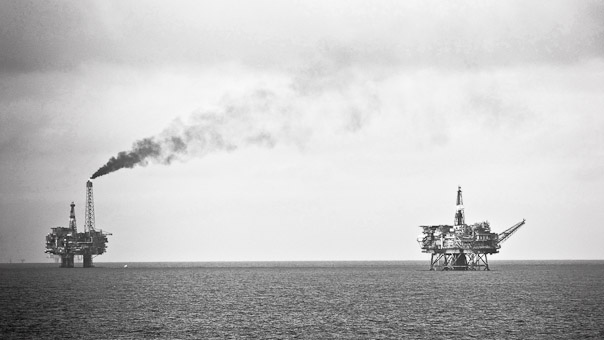
Oil prices fell in early Monday trading after surging to near six-month highs, as traders took profits while continuing to assess the risk of supply disruption from attacks on Saudi Arabia. Brent crude slipped more than 1% to around $115 a barrel, while U.S. West Texas Intermediate fell toward $102. The retreat followed a week in which geopolitical risk pushed energy prices sharply higher.
Brent gained about 6% last week
Oil rallied strongly after repeated Houthi attacks on Saudi airports and energy infrastructure increased fears that the conflict could affect exports from the world’s largest crude exporter.
Brent ended the previous week about 6% higher, while WTI also posted gains.
Saudi Arabia is the central supply concern
Saudi Arabia has spare production capacity and plays a key role in stabilizing global oil markets. Any sustained disruption to its infrastructure would be difficult to replace quickly.
That is why even intercepted missile and drone attacks can add a geopolitical premium to prices.
The latest decline does not mean risk has disappeared
Oil often pulls back after rapid gains as traders lock in profits. The Monday decline came even as Houthi forces continued threatening Saudi targets.
Markets therefore remain highly sensitive to new military or diplomatic headlines.
Riyadh airport has partially reopened
Saudi authorities restored partial operations at the main Riyadh airport after earlier damage, but the Houthis have vowed to continue attacks.
Repeated strikes on civilian and energy infrastructure could raise insurance, aviation and logistics costs across the region.
Energy inflation is returning as a macro risk
Crude above $100 a barrel pushes up gasoline, diesel, jet fuel and petrochemical costs. Those increases can feed into transportation and consumer prices.
Central banks are watching the energy shock closely because it could slow progress on inflation.
The Fed week adds another layer
Markets are preparing for a major week of central-bank decisions. The Federal Reserve is expected to focus on whether higher energy prices are becoming persistent enough to influence inflation expectations.
Higher-for-longer interest rates could reduce demand and eventually weigh on oil prices.
Refined products remain tight
Diesel and jet-fuel markets have been particularly sensitive because refinery disruptions and trade restrictions have reduced flexibility.
Crude supply can be abundant while specific refined fuels remain expensive.
Shipping routes are also under pressure
Conflict involving the Houthis creates risk around the Red Sea and nearby shipping corridors. At the same time, tensions around the Strait of Hormuz remain elevated.
When multiple chokepoints are threatened simultaneously, freight and insurance costs rise quickly.
Producers benefit but consumers face pressure
High prices boost revenue for exporters, including Saudi Arabia, Russia and other producers. Import-dependent economies face the opposite effect through larger energy bills and weaker trade balances.
India, Japan and parts of Europe are particularly sensitive to sustained high crude prices.
Demand uncertainty limits the rally
Traders are also weighing slower growth in some major economies. If high prices and interest rates reduce consumption, demand could weaken enough to cap further gains.
That tension between supply fear and demand risk explains the sharp daily swings.
The next attack or diplomatic move could reset prices
Oil is likely to remain volatile while the Saudi-Houthi conflict continues. A credible ceasefire could remove part of the risk premium quickly.
Another successful attack on major oil infrastructure could produce the opposite response and push benchmarks back toward recent highs.
Sources
- Reuters, Oct. 26, 2026 early trading
- Saudi security statements and regional energy-market data
Consumers may feel the move with a delay
Changes in crude prices do not appear immediately at gasoline or diesel pumps. Refinery margins, taxes, inventories and local distribution costs determine how quickly wholesale moves reach consumers. If Brent remains above $110 for several weeks, however, transport and aviation costs are likely to face renewed upward pressure.
That could complicate inflation forecasts just as several central banks prepare major policy decisions. Energy is volatile, but persistent fuel increases can influence inflation expectations and wage negotiations even when policymakers focus on core measures.
Options markets and tanker rates will provide additional signals about how seriously traders view the supply threat. A sustained rise in price volatility or shipping insurance would suggest concern extends beyond speculative crude futures. Conversely, easing freight costs and lower option premiums could indicate that markets expect Saudi infrastructure to remain operational despite continued threats.