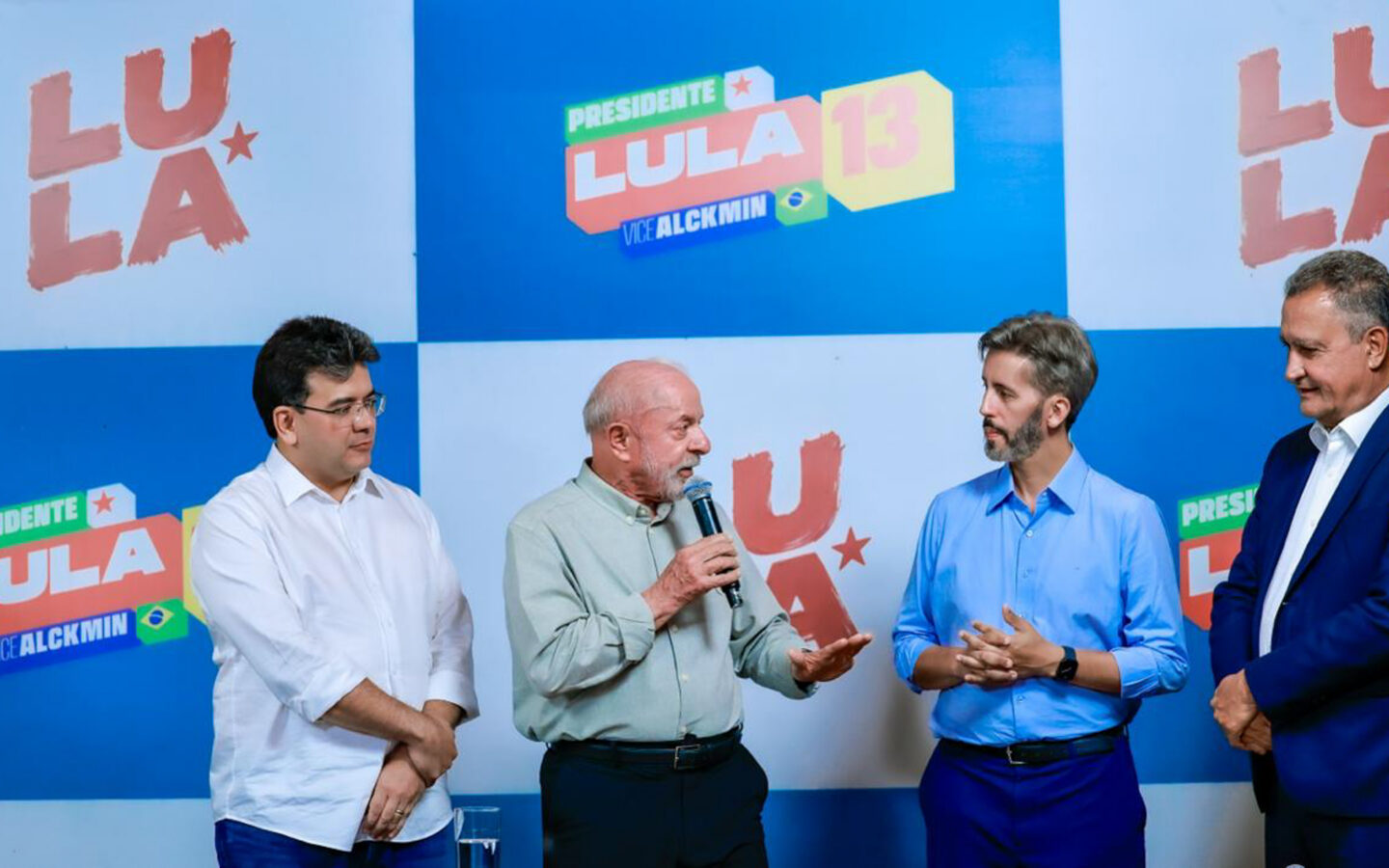
Brazilian President Luiz Inácio Lula da Silva won reelection in Sunday’s presidential runoff, defeating right-wing Senator Flavio Bolsonaro and securing a fourth non-consecutive term in office. Brazil’s electoral authority confirmed the result after polls closed, extending the political career of one of Latin America’s most influential leaders. The vote capped a polarized campaign dominated by economic pressure, public security, institutional trust and the legacy of the Bolsonaro family.
A historic fourth term
Lula has now won the presidency four times across separate political eras. His career has included two terms in the 2000s, a return to power after years outside office and now another reelection victory.
The result reinforces his position as the dominant figure on Brazil’s left and one of the region’s longest-serving democratic leaders.
The runoff exposed a deeply divided electorate
The contest against Flavio Bolsonaro reflected the same broad ideological divide that has shaped Brazilian politics for years. Bolsonaro drew support from conservative voters, business groups and voters concerned about crime and public spending.
Lula relied on his traditional coalition of lower-income voters, labor groups, parts of the urban middle class and regional allies.
The economy will be the first test
Brazil enters the new term with difficult fiscal choices. Lula has promised continued social spending while investors are watching government debt, interest costs and the credibility of fiscal rules.
Growth has remained resilient, but high borrowing costs and inflation pressures continue to limit the government’s room for maneuver.
Congress may be harder than the election
Winning the presidency does not automatically give Lula control of Brazil’s fragmented legislature. His government will still need to negotiate with centrist and conservative blocs to pass budgets, tax measures and major reforms.
Coalition management has long been a defining feature of Brazilian politics, and the next term is likely to be no different.
Flavio Bolsonaro becomes a national opposition figure
The runoff elevated Flavio Bolsonaro from a prominent senator and member of a political dynasty into the main national challenger to Lula.
Even in defeat, his campaign could reshape the conservative movement and determine whether the Bolsonaro family remains the central force on Brazil’s right.
Markets will watch the first policy signals
Investors are likely to focus on the incoming government’s budget targets, state-company policy and appointments to key economic posts.
Brazil’s currency and bond market can react sharply when investors see a widening gap between spending commitments and fiscal capacity.
Foreign policy will remain active
Lula has sought to position Brazil as a bridge between the United States, China, Europe and the Global South. He has emphasized climate diplomacy, trade diversification and a larger Brazilian role in international institutions.
A new mandate gives him additional time to pursue that strategy.
Amazon policy stays in focus
Environmental protection remains one of the most closely watched parts of Lula’s agenda. International partners have linked trade and climate cooperation to deforestation trends in the Amazon.
The government will face pressure to balance agricultural expansion, infrastructure and conservation.
Social policy remains Lula’s political base
Cash-transfer programs, minimum-wage policy and access to public services are central to Lula’s political coalition. Protecting those programs while maintaining fiscal credibility will be difficult if economic growth slows.
The administration will also face demands for better public security, education and health outcomes.
The result matters across Latin America
Brazil is the region’s largest economy and most populous country. Its political direction influences trade, diplomacy and regional institutions.
Lula’s victory strengthens the center-left camp in Latin America, although the strength of Bolsonaro’s vote shows that conservative politics remains highly competitive.
The next phase begins immediately
The election result ends the campaign but begins a more difficult governing period. Lula must now turn a narrow and polarized electoral mandate into a functioning legislative coalition.
His fourth term will be judged less by the symbolism of his return than by whether he can deliver growth, fiscal stability and lower political tensions.
Sources
- Brazilian electoral authority result
- Reuters, Oct. 26, 2026
Transition planning will be watched closely
Although Lula is already the incumbent, a new electoral mandate still requires a fresh political and administrative reset. Cabinet composition, congressional alliances and the first budget proposal will indicate whether he intends to pursue a more expansive social agenda or place greater weight on fiscal restraint. Those early choices could shape market confidence before the new term is fully underway.