The U.S. State Department has approved a possible $2.1 billion sale of 500 Patriot PAC-3 Missile Segment Enhancement interceptors to Ukraine, offering Kyiv a path to replenish its air defenses as Russian strikes continue. The authorization, announced Friday, October 30, is a step in the foreign military sales process rather than evidence that missiles have already been delivered.
What the proposed sale includes
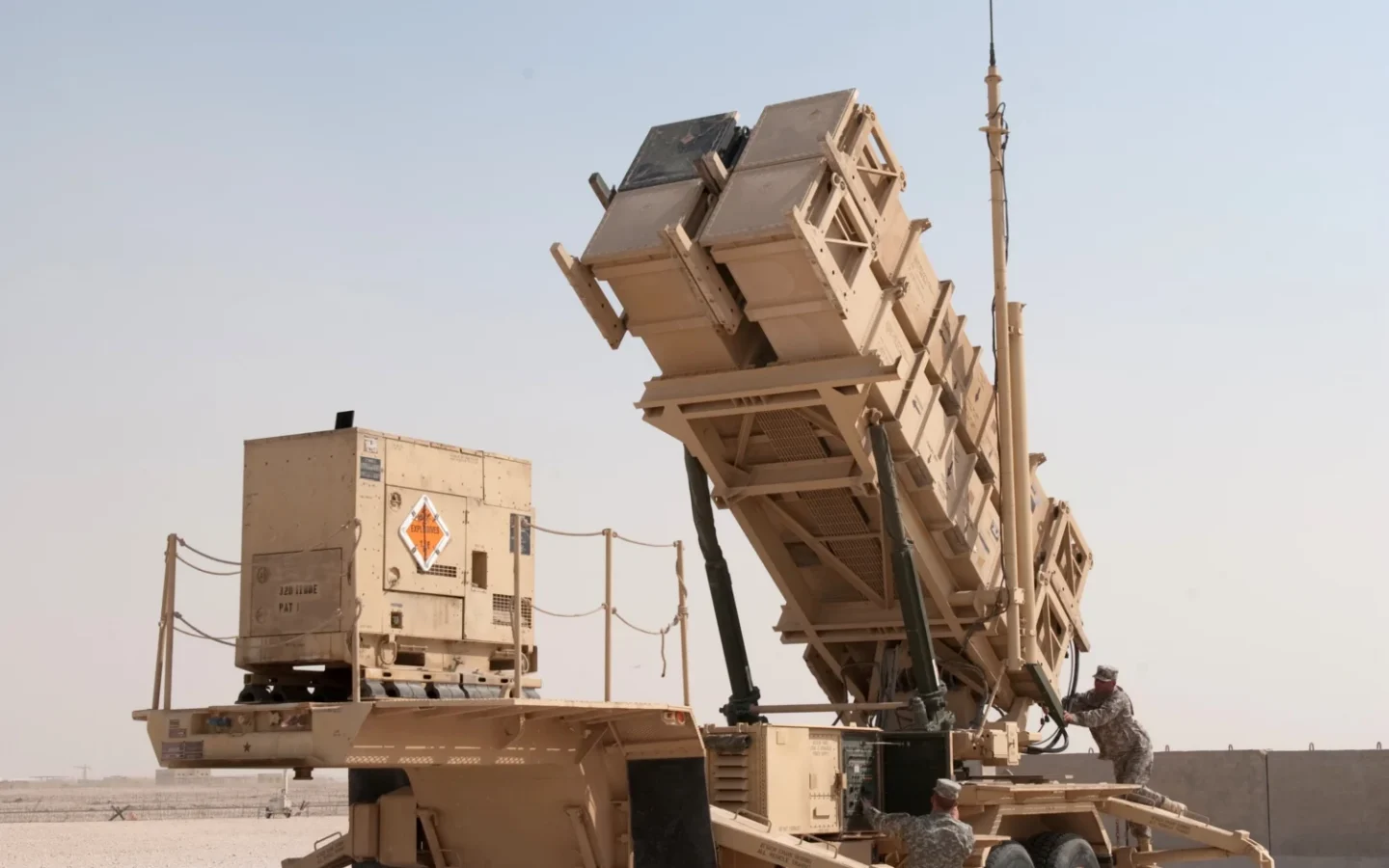
The package covers 500 advanced Patriot interceptor missiles along with spare parts, logistical support and related equipment. Lockheed Martin is designated as the principal contractor. The PAC-3 MSE is designed to intercept incoming threats, including ballistic missiles, and is a key component of the air-defense architecture used by Ukraine.
The estimated $2.1 billion value is the potential total of the sale. Final quantities, costs and contracts can change as procurement progresses and required reviews are completed.
Who would pay?
The State Department said the purchase would be financed using contributions from Ukraine’s partners, including Canada, Germany and Norway, as well as funds linked to European support mechanisms. U.S. government money is not earmarked to pay for this proposed acquisition.
The distinction is important because an American authorization for a sale does not necessarily mean Washington is donating the equipment. The U.S. retains a role in the approval of transfers and the supply of American-built defense systems.
Deliveries could take years
Ukraine’s immediate concern is the availability of interceptors to counter ongoing attacks. Reuters reported that missiles not yet manufactured might not be delivered until the 2030s, according to sources familiar with expected production schedules. The State Department notification itself did not set a precise delivery date.
President Volodymyr Zelenskyy has urged faster transfers of existing weapons. That request addresses a different question from the long-term procurement package: how Ukraine can maintain sufficient defensive stocks during the coming months.
Congressional review and implementation
The approval is subject to the relevant U.S. congressional notification and review process. Only after subsequent steps can procurement and delivery arrangements be finalized.
For Ukraine, the announcement demonstrates continued access to U.S.-made air-defense technology through allied financing. It does not, by itself, resolve the near-term shortage of available interceptors or guarantee an immediate improvement in battlefield protection.
Sources: Inside Defense, October 30, citing U.S. State Department congressional notification; CBS News, October 31; Reuters, October 30.