A joint Lake Placid-New York City bid for the 2042 Winter Olympics has moved from speculation into organized exploration. An exploratory committee met for the first time in Manhattan on Monday, beginning a long process that could combine Lake Placid’s Olympic history with New York City’s arenas, transportation network and global commercial reach. The concept remains preliminary, but organizers are already examining infrastructure gaps and the International Olympic Committee’s revised bidding rules.
Lake Placid brings Olympic history
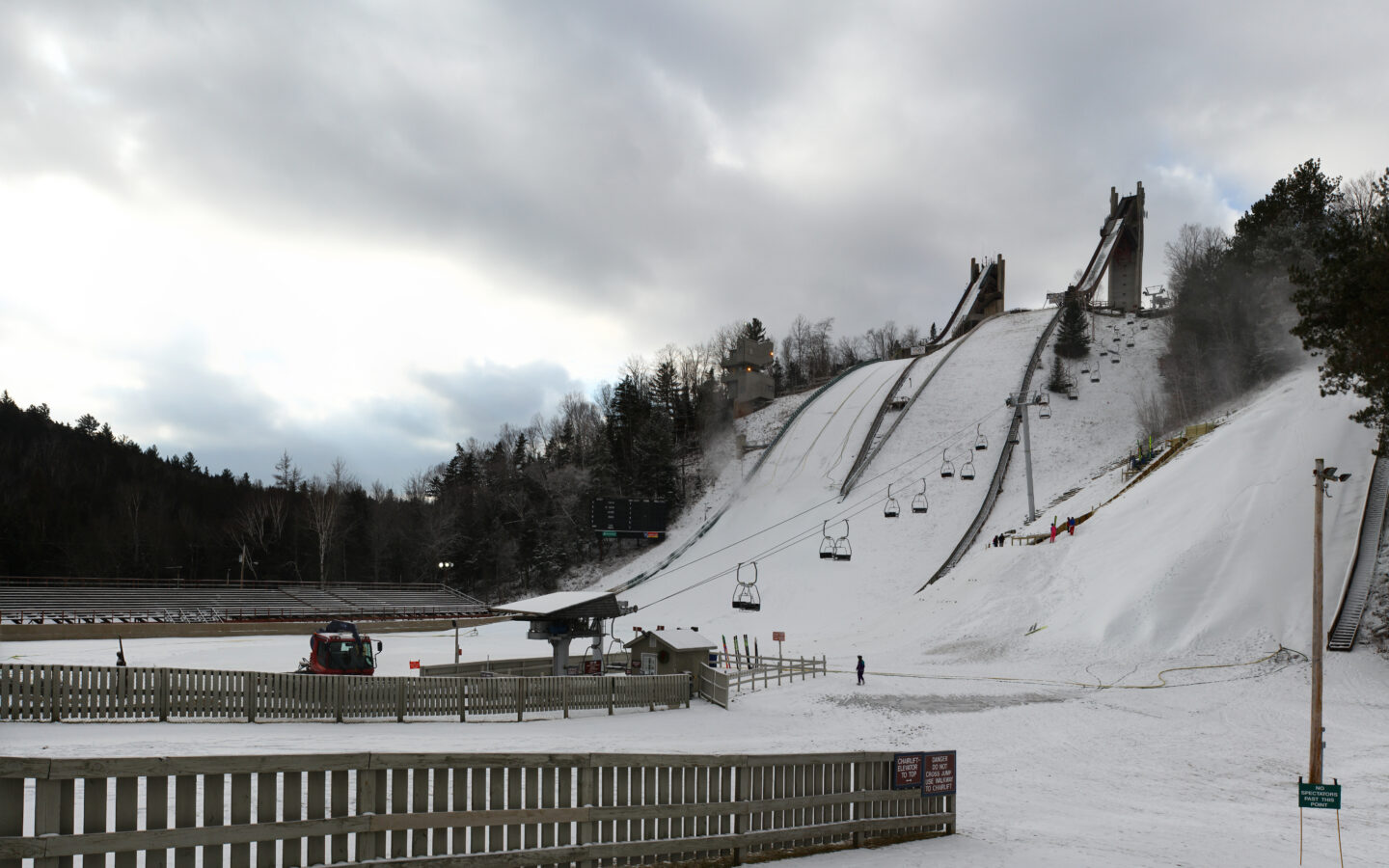
The Adirondack village hosted the Winter Games in 1932 and 1980. Its venues and winter-sports identity give the proposal credibility that few U.S. locations can match.
New York City provides scale
The five boroughs offer major arenas, airports, hotels and media infrastructure. Organizers believe those assets could reduce the need for costly new urban construction.
Transportation is the biggest challenge
Lake Placid and New York City are separated by hundreds of miles and lack a direct high-speed rail connection. Moving athletes, officials and spectators efficiently would require careful planning.
Milano Cortina offers a precedent
Organizers point to the 2026 Italian Winter Games, which used a geographically dispersed model. That example suggests the IOC is more open to spreading events across multiple regions.
IOC bidding rules have changed
Under President Kirsty Coventry, the IOC has continued moving away from expensive winner-take-all bidding campaigns toward longer dialogue with potential hosts.
New York has tried before
The city pursued the 2012 Summer Olympics but lost to London. That unsuccessful bid left lessons about public support, venue financing and transportation planning.
Lake Placid still has usable infrastructure
Significant investment has been made in the region’s winter-sports facilities, including upgrades tied to international competitions. Existing venues could reduce construction requirements.
Housing would need major attention
The Adirondack region has limited accommodation compared with a major city. Athlete villages, workforce housing and spectator capacity would all require solutions.
Governor Kathy Hochul supports exploration
New York’s governor has spoken positively about the economic and tourism potential of a joint bid. State backing would be essential for transportation and security planning.
The United States already has major Games scheduled
Los Angeles will host the 2028 Summer Olympics and Salt Lake City the 2034 Winter Games. A successful 2042 bid would give the U.S. three Olympics in 14 years.
That concentration could be an obstacle
The IOC may want geographic rotation and broader international hosting diversity. U.S. organizers would need to show that the proposal offers unique value rather than simply relying on existing commercial strength.
Economic legacy will shape the case
Supporters argue that transportation and venue investment could benefit the Adirondacks long after the Games. Critics will focus on whether those projects make sense without Olympic demand.
The bid is still years from a decision
2042 is far enough away that the current committee is focused on feasibility rather than campaigning. Its early work will determine whether New York moves into formal dialogue with the IOC.
Sources
- Reuters, Oct. 19, 2026
- Lake Placid-New York exploratory committee statements