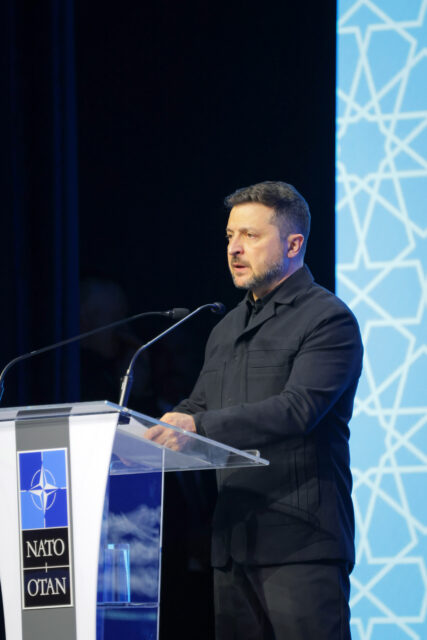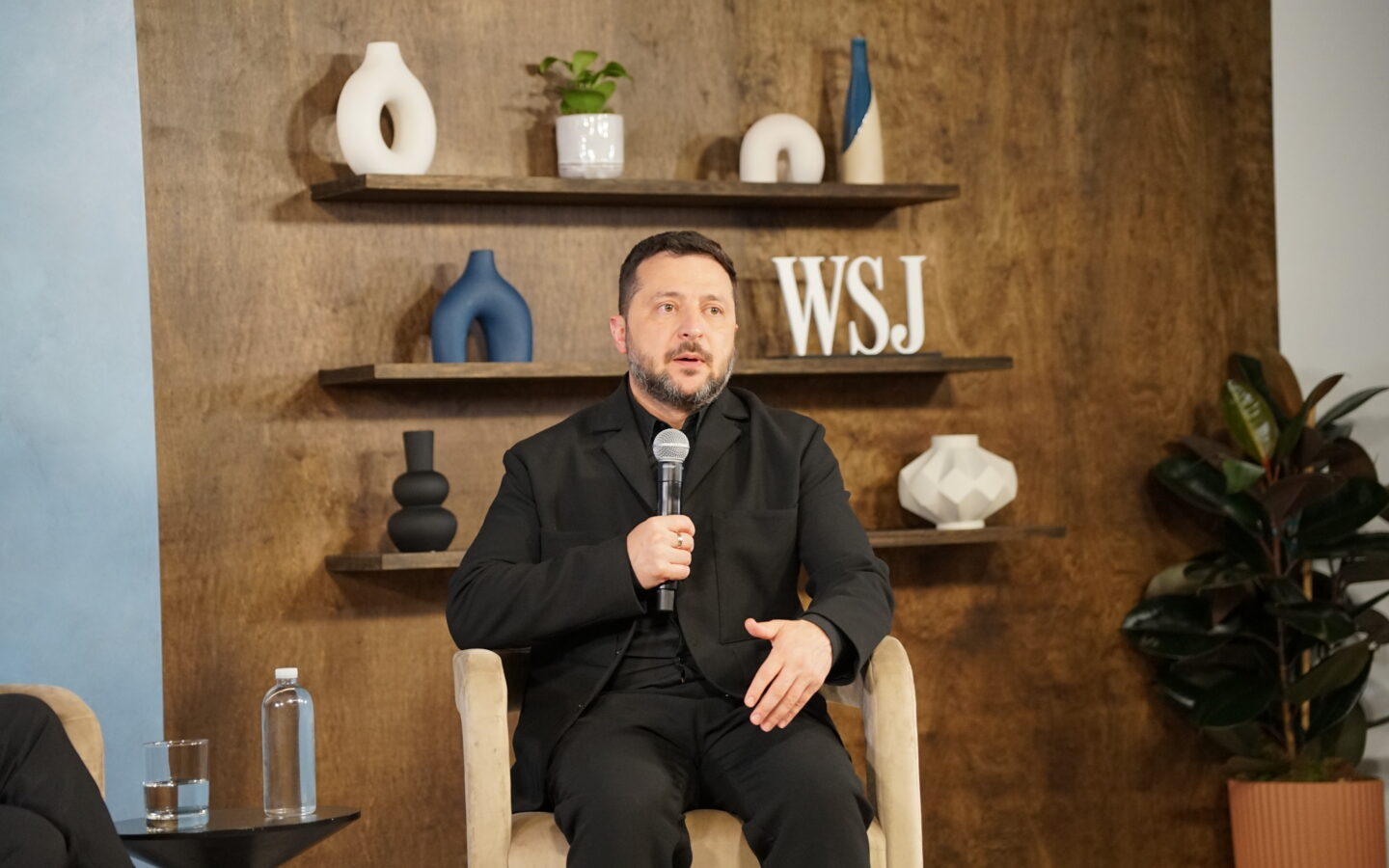
European Union leaders rallied around Ukrainian President Volodymyr Zelenskyy in Brussels on Friday as Kyiv pressed for stronger air-defence systems, energy support and long-term financing ahead of winter. The meeting came at a particularly difficult moment for Ukraine, with Russian missile and drone attacks intensifying and relations between Kyiv and U.S. President Donald Trump becoming increasingly strained.
Winter package moves to the center of talks
Zelenskyy said Ukraine needs a “winter package” that goes beyond repairing energy infrastructure. He identified air defence and financing as equally important priorities, arguing that Russia has shown no sign that it is ready to end the war.
That framing reflects the immediate challenge facing Kyiv. Power plants and grid infrastructure remain vulnerable, while civilian areas continue to face missile and drone strikes. Ukraine is trying to prevent another winter in which electricity and heating become direct instruments of military pressure.
EU leaders promised continued support
The European Council’s formal agenda placed Ukraine among the main priorities of the summit. Leaders were expected to discuss critical infrastructure, defence readiness, Russia’s hybrid activities and Ukraine’s path toward EU membership.
European Council President Antonio Costa and European Commission President Ursula von der Leyen met Zelenskyy separately to discuss air defence, the energy sector and financial resilience.
Trump’s Russia policy complicates the picture
The summit unfolded against growing tension between Kyiv and Washington. Trump has criticized Ukrainian strikes on Russian refineries and promoted a temporary understanding that sought to limit attacks on energy infrastructure.
Zelenskyy has argued that the arrangement benefits Russia if it restricts Ukrainian strikes while Moscow continues to attack Ukrainian cities and energy facilities. He has also criticized a U.S.-Russia diesel deal, saying it would provide Moscow with revenue while weakening sanctions pressure.
Europe is being asked to fill a larger gap
Ukraine’s concern is not only political. Any reduction in U.S. intelligence, weapons deliveries or financial support would create immediate operational problems. European governments have increased defence spending and ammunition production, but replacing the scale and speed of U.S. support remains difficult.
Zelenskyy’s visit therefore carried a practical message: Europe must be ready to shoulder a larger share of Ukraine’s defence burden if Washington steps back.
Air defence is the urgent military requirement
Russian strikes on energy facilities, logistics hubs and urban areas have increased the importance of Patriot-class systems and other air-defence assets. Ukraine has repeatedly warned that interceptor stocks are limited.
European states have supplied systems and ammunition, but inventories are also constrained across the continent. Rebuilding those stockpiles while continuing deliveries to Ukraine is becoming a long-term industrial challenge.
Energy infrastructure is a strategic target
Russia’s attacks on electricity generation and transmission infrastructure are designed to create both military and civilian pressure. Even when facilities are repaired quickly, repeated strikes force Ukraine to divert resources from other priorities.
The EU has provided generators, grid equipment and emergency financing. The coming winter will test whether that support is sufficient to keep the system functioning under sustained attack.
Financial support is becoming more expensive
Ukraine’s wartime budget depends heavily on external assistance. Rising borrowing costs across Europe and pressure on national budgets make that support politically harder to sustain.
At the same time, EU leaders argue that allowing Ukraine’s economy to weaken sharply would create even larger security and humanitarian costs. That has kept multi-year funding packages on the agenda.
Starshield disruption adds another vulnerability
Kyiv has also raised concerns about disruptions to SpaceX’s Starshield satellite services, which are important for communications and military operations. Europe currently lacks a direct replacement with comparable coverage and capacity.
The issue has reinforced arguments for greater European investment in sovereign satellite communications and defence technology.
EU unity will be tested
Publicly, leaders continue to stress solidarity with Ukraine. Behind closed doors, however, governments differ over the scale of funding, sanctions, military commitments and how to manage relations with Washington.
Those differences could become more visible if the war drags into 2027 and economic pressures increase.
A summit focused on resilience rather than breakthrough diplomacy
The Brussels meeting was not expected to produce a peace agreement. Its immediate purpose was to strengthen Ukraine’s ability to withstand the winter and reassure Kyiv that European support will continue.
For Zelenskyy, the priority is preventing strategic isolation as U.S. policy shifts. For the EU, the challenge is proving that political declarations can be converted into weapons, money and energy support at the scale Ukraine needs.
Sources
- European Council agenda and newsroom materials, Oct. 16, 2026
- Office of the President of Ukraine, Oct. 16, 2026
- Reuters and Associated Press reporting, Oct. 16, 2026