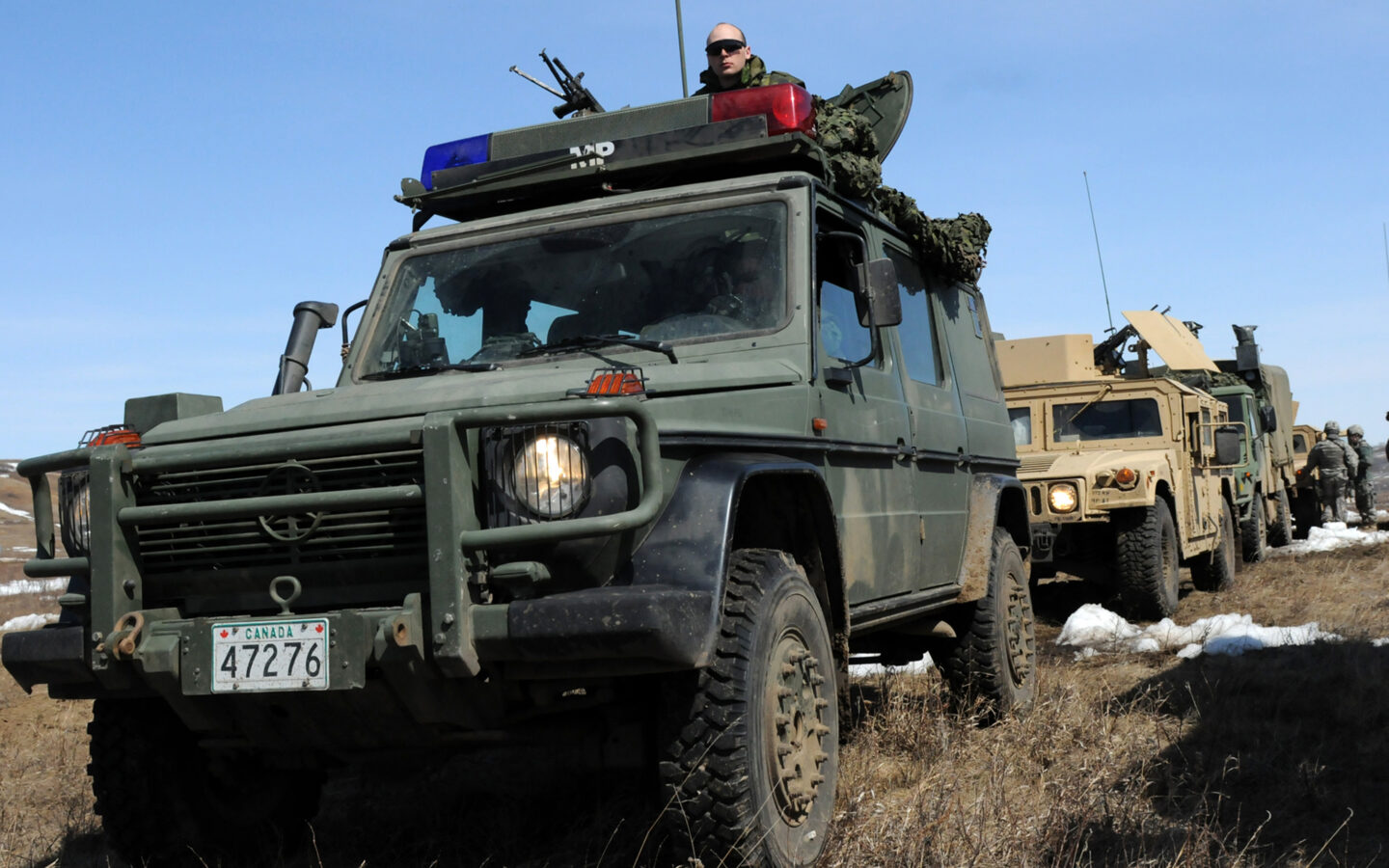
Four Canadian soldiers were killed and 39 people were injured after a fast-moving grass fire swept through a training area at Canadian Forces Base Wainwright in Alberta, according to Canadian authorities. Nineteen of the injured were reported in critical condition. The fire began during military training on Saturday afternoon and spread rapidly under winds that reached roughly 96 kilometers per hour, turning a routine exercise into one of the Canadian Armed Forces’ deadliest peacetime incidents on home soil in years.
The fire spread with unusual speed
Canada’s Department of National Defence said the fire started at about 4 p.m. local time inside the Wainwright training area. Strong winds pushed it beyond the immediate exercise zone before military and civilian emergency crews could fully contain it.
Major-General Wade Rutland described the event as unusually rapid, emphasizing that conditions changed faster than personnel could normally expect during a controlled training operation.
The injured were sent to several hospitals
Emergency services transported casualties to hospitals in Edmonton, Wainwright, Calgary and Red Deer. Air ambulances were used for some of the most serious cases.
Edmonton health authorities activated mass-casualty procedures so emergency departments could receive a large number of patients at once.
Nineteen people were in critical condition
The large number of critically injured personnel illustrates the intensity of the fire and smoke exposure. Burn injuries can worsen after the initial event, particularly when the respiratory system is affected.
Officials did not immediately release detailed individual medical information, and the condition of some patients could change over the following days.
Wainwright is a major training center
Canadian Forces Base Wainwright is home to the Canadian Manoeuvre Training Centre and regularly hosts large military exercises. Its wide training grounds are used for armored, infantry and combined-arms operations.
That role means fire risk has to be managed alongside live training, vehicle movement and changing weather conditions.
High winds were a major factor
Grass fires can move extremely quickly when vegetation is dry and wind is strong. Flames may travel faster than people can reposition, while smoke reduces visibility and makes evacuation more difficult.
Investigators will examine weather data, vegetation conditions and the activity taking place when the fire began.
The nearby town was not evacuated
The fire crossed parts of the base boundary, but authorities said the town of Wainwright was not placed under an evacuation order. Emergency officials reported that the fire was not expected to continue spreading toward the community.
That distinction helped prevent a military emergency from becoming a wider civilian evacuation crisis.
Canada lowered flags after the deaths
Prime Minister Mark Carney described the incident as a national tragedy and ordered flags on federal buildings lowered in mourning.
Defence Minister David McGuinty was expected to visit the base as the military began supporting families and gathering information about what happened.
The investigation will focus on training safety
Military exercises operate under detailed safety procedures, including weather monitoring and fire-control plans. Investigators will need to determine whether the conditions were within normal limits when the exercise began and how quickly the danger changed.
The review may also examine evacuation routes, communications and whether enough firefighting resources were positioned near the training area.
Wildfire risk is becoming a broader planning issue
Canada has faced increasingly severe wildfire seasons, including fires driven by heat, drought and strong winds. Military training ranges are not isolated from those environmental trends.
Armed forces may need to adjust exercise schedules, vegetation management and emergency staffing as extreme fire conditions become more common.
Families and units face a long recovery
The immediate emergency is only the first phase. Units affected by fatal training incidents often require medical, psychological and family support for months.
For Canada’s military, the investigation will have two goals: explain how the fire became deadly and identify changes that can reduce the chance of another similar event.
Sources
- Canada Department of National Defence, Oct. 18, 2026
- Reuters, Oct. 18, 2026
- Canadian Armed Forces statements