
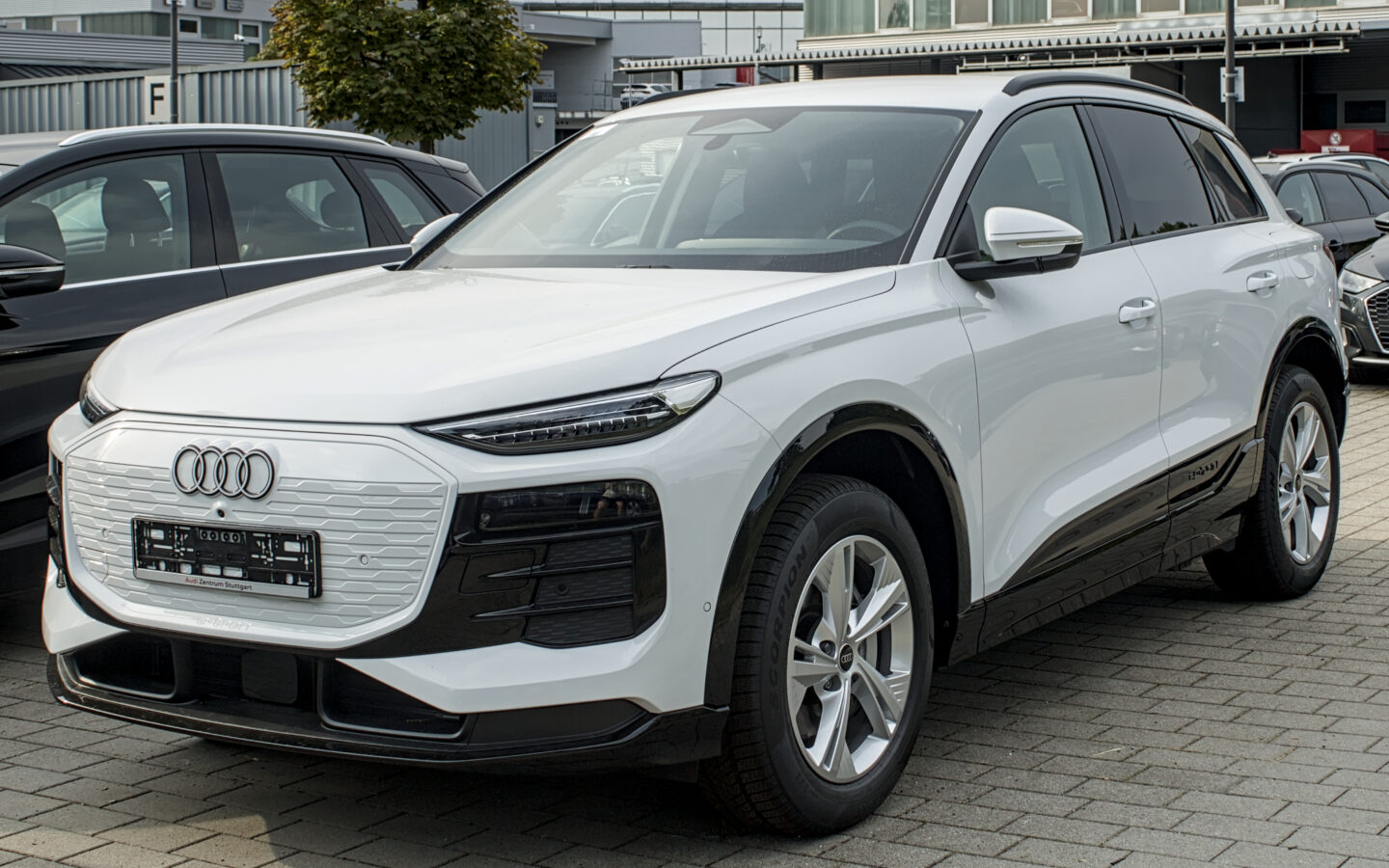
Audi’s global vehicle deliveries fell 19.7% year-on-year in the third quarter of 2026 to 314,900 units, as weak demand in China and pressure across the Volkswagen Group’s premium brands intensified. The German automaker’s fully electric vehicle deliveries fell 21.5% to 48,700 during the quarter. For the first nine months of the year, Audi delivered about 1.04 million vehicles, down 11.4% from the same period in 2025. The decline adds to evidence that German premium automakers are struggling to defend market share in China while navigating tariffs, product transitions and uneven EV demand.
China is the biggest problem
Audi’s deliveries in China fell nearly 25% over the first nine months of the year. Parent company Volkswagen reported an even steeper group-wide decline in the country during the third quarter.
Chinese consumers now have a growing selection of domestic premium electric and hybrid vehicles that often offer advanced software and aggressive pricing.
The third-quarter drop accelerated
Audi’s deliveries had already fallen in the second quarter, but the 19.7% third-quarter decline showed that conditions worsened rather than stabilized.
That raises pressure on management to improve product momentum before the end of the year.
EV deliveries also declined
Fully electric Audi deliveries fell 21.5% from a year earlier during the quarter. The result is notable because EVs are supposed to be a central part of the brand’s long-term strategy.
Weakness in China and shifting consumer preferences have complicated the transition.
Europe remains comparatively more resilient
German automakers have generally performed better in parts of Europe than in China, helped by incentives and stronger brand familiarity.
However, Europe’s economy is growing slowly and competition from Chinese manufacturers is increasing there as well.
Volkswagen Group is under broader pressure
Volkswagen Group deliveries fell 14.3% in the third quarter to roughly 1.89 million vehicles. China deliveries dropped 38.5% across the group.
Audi’s weakness is therefore part of a larger structural problem rather than an isolated brand issue.
Premium pricing is harder to defend
Audi competes in a segment where technology, design and brand reputation support higher prices. Chinese rivals are challenging that model by offering luxury features and advanced digital systems at lower price points.
Price competition can protect volume but risks weakening margins and residual values.
Software has become a key competitive factor
Chinese consumers increasingly value in-car software, driver assistance and connectivity as much as traditional engineering qualities.
European manufacturers have invested heavily in improving software platforms after years of delays and integration problems.
Model transitions can temporarily depress sales
Audi has been refreshing its electric and combustion lineups. New product cycles can create periods where older models are phased out before replacements reach full production.
Management will need to show that upcoming launches can reverse the delivery decline.
Tariffs create another complication
Trade tensions between Europe, China and the United States have made global vehicle production more expensive. Automakers must decide where to build cars and how to manage regional supply chains.
Premium brands can sometimes absorb higher costs more easily, but sustained tariffs still pressure profitability.
China is no longer guaranteed growth
For years, German premium automakers relied on China as a major source of expansion. That assumption has changed.
Domestic Chinese brands now compete strongly in both electric and premium segments, while economic weakness has made consumers more price-sensitive.
Audi still has strong brand assets
The company retains a large global customer base and a broad lineup across luxury sedans, SUVs and performance vehicles.
The challenge is translating those strengths into competitive electric and digital products without sacrificing profitability.
Investors will focus on margins and inventory
Lower deliveries do not automatically translate into the same decline in earnings if pricing remains strong. But prolonged volume weakness can reduce factory utilization and increase incentives.
Volkswagen Group’s financial results will provide more detail on how much the delivery decline is affecting profitability.
The next product cycle will be critical
Audi needs stronger demand in China, better EV momentum and a successful rollout of new models to stabilize sales.
The third-quarter numbers show the brand is entering that transition from a weaker position than a year ago. Whether the decline proves temporary will depend on product competitiveness and the speed at which Chinese demand recovers.
Sources
- Volkswagen Group delivery data, Oct. 12, 2026
- Anadolu Agency international economy coverage, Oct. 12, 2026
- Reuters reporting on German auto-market trends


