The United States and China have opened a new channel for discussions on artificial intelligence safety as senior economic officials met in New York ahead of this week’s Trump-Xi summit.
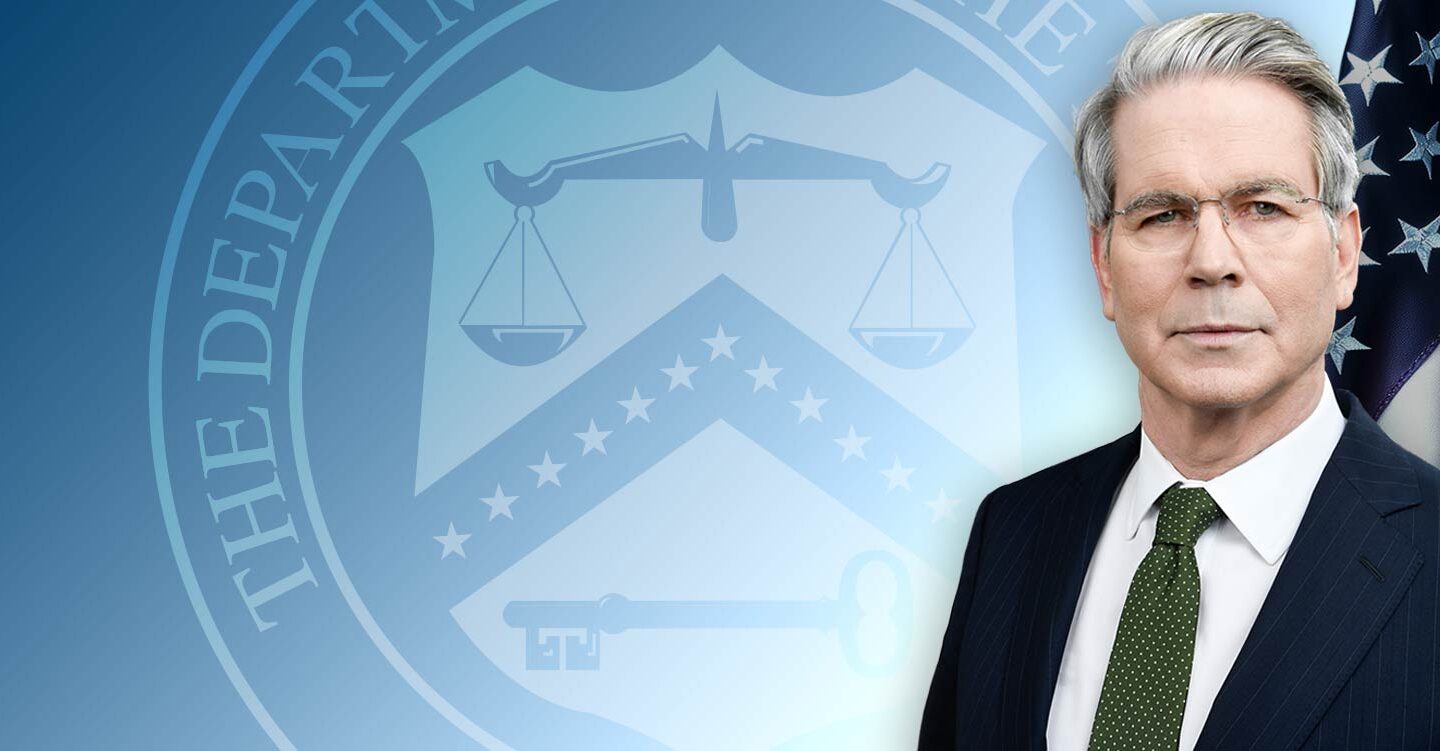
U.S. Treasury Secretary Scott Bessent and Chinese Vice Premier He Lifeng held day-long talks on Sunday covering trade, critical minerals and artificial intelligence. Reuters reported that Bessent proposed a notification mechanism under which the two countries could alert each other to serious AI incidents with national-security implications. The Financial Times separately reported that the two sides agreed to begin an AI dialogue ahead of the leaders’ meeting.
AI moves onto the bilateral economic agenda
The proposal would add a new layer to U.S.-China talks that have traditionally centered on tariffs, investment restrictions, technology controls and market access. The two countries are the largest centers of advanced AI development, but they have taken different approaches to regulation and to access to high-end computing hardware.
Bessent said before the meeting that Washington was open to discussing shared AI risks and both open- and closed-weight models. After the talks, he described the engagement as successful and said the two governments discussed better communication around AI threats, according to Channel NewsAsia.
China’s government confirmed that He and Bessent met in New York for economic and trade consultations. Its initial public account did not provide the same level of detail on the proposed AI notification mechanism.
Trade and critical minerals remain unresolved
Artificial intelligence was only one part of the talks. The delegations also discussed tariffs, agricultural purchases, Boeing aircraft and flows of rare-earth minerals and magnets. Reuters reported that officials were working on ways to operationalize a previously discussed “Board of Trade” that could identify non-strategic goods for possible tariff reductions.
Several major issues remain unsettled. A U.S.-China trade truce is due to expire in November, while Washington continues to press Beijing on purchases of U.S. goods and access to critical minerals. China, meanwhile, has objected to U.S. technology restrictions and other trade measures.
What comes next
The New York meeting was intended to prepare the ground for President Donald Trump and Chinese President Xi Jinping, who are scheduled to meet in Washington later this week. Any formal AI-safety arrangement would likely require further negotiation at the leaders’ level and between technical agencies.
For now, the most concrete change is that AI safety has moved from being mainly a technology-policy dispute into a structured part of the broader U.S.-China negotiating agenda. Whether the proposed notification mechanism becomes a standing agreement will depend on what the two governments are willing to formalize after the summit.
Sources: Reuters; Financial Times; Channel NewsAsia; Government of China public account of the New York consultations.


