
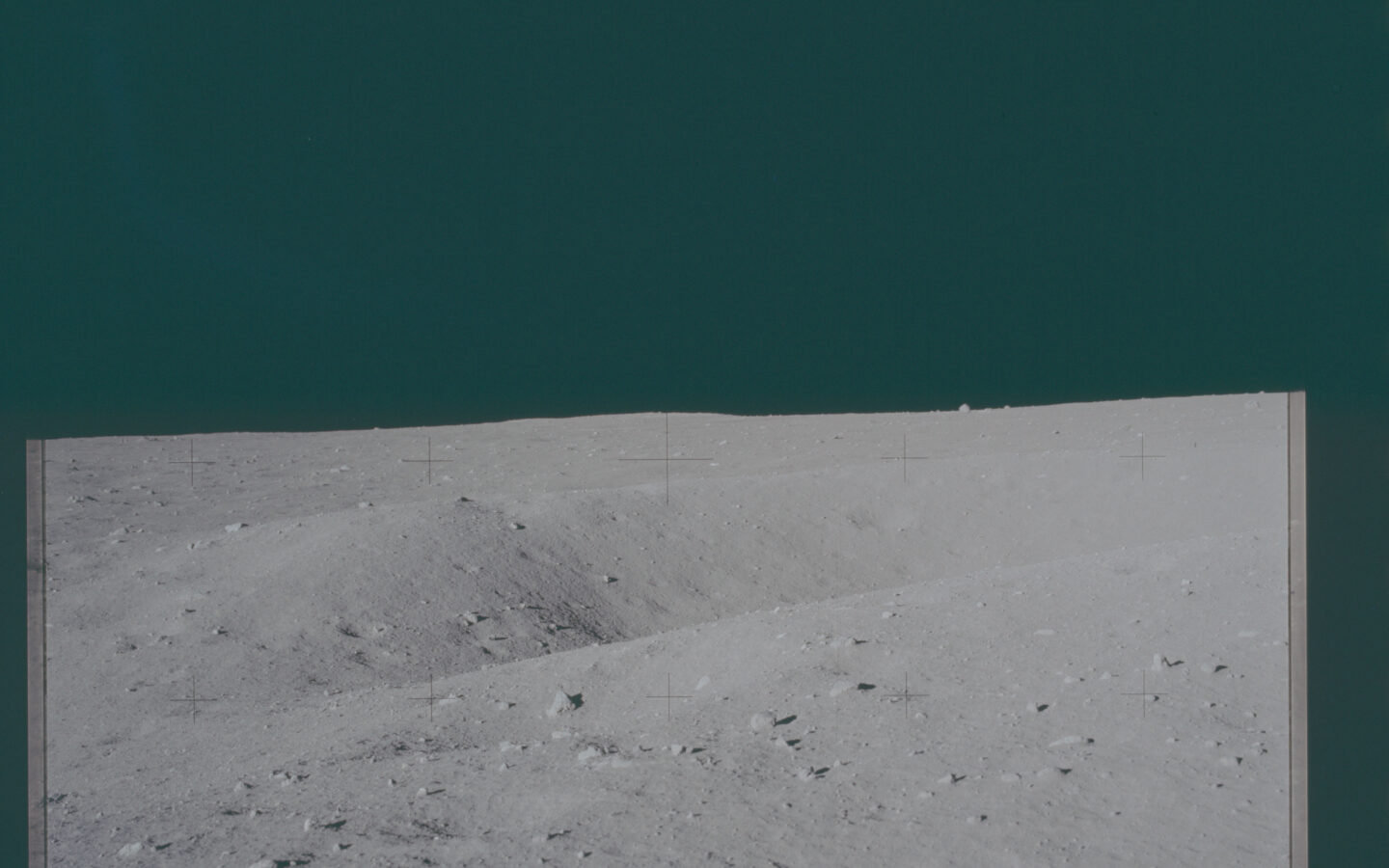
Scientists using NASA’s Lunar Reconnaissance Orbiter have identified a massive young crater on the moon created by an impact in 2024 that escaped detection when it happened.
The crater is about 222 meters across and up to 43 meters deep, making it the largest known impact crater formed anywhere in the solar system in recent times. Researchers estimate an event of this scale occurs on the moon roughly once every 132 years.
Images also revealed changes extending far beyond the crater itself, including disturbed lunar soil and a broad cold spot around the impact zone. Those observations give scientists a rare opportunity to study how fresh impacts reshape the lunar surface.
The finding has practical significance as space agencies plan longer-term activity on the moon. Better estimates of impact frequency and the distances over which debris can travel could influence how future habitats and other infrastructure are designed.
Source: Associated Press reporting on studies in Science Advances, Sept. 16, 2026.