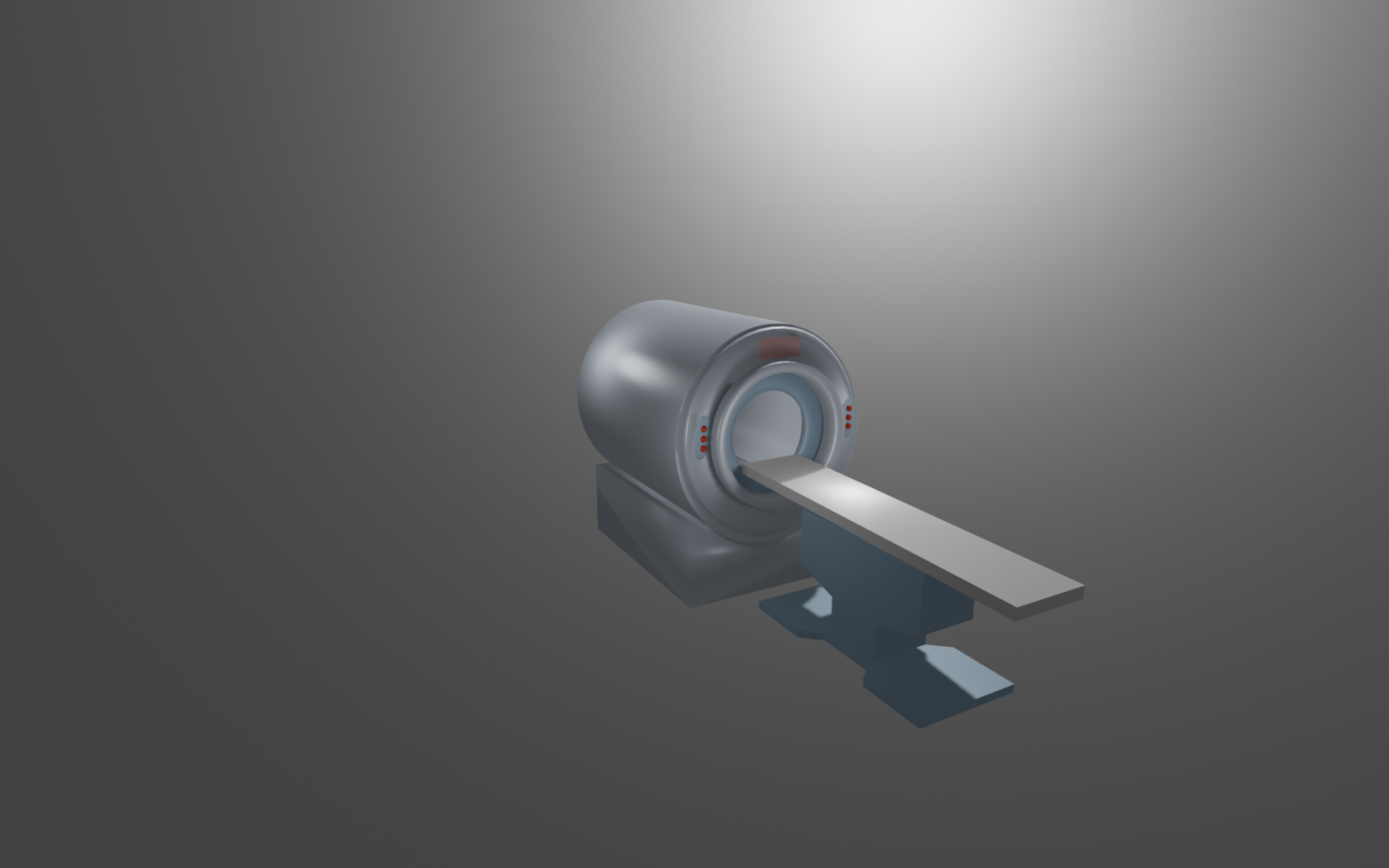
An experimental MRI contrast agent has detected lung tumors and metastases as small as one millimeter in animal studies, raising hopes that magnetic resonance imaging could eventually identify some cancers earlier without using ionizing radiation.
The protein-based agent, called hProCA32.Collagen2, is being developed by InLighta BioSciences. It targets type I collagen, a component that can be abundant around aggressive tumors, making affected tissue easier to distinguish on MRI scans.
Researchers reported the findings in Science Advances. Beyond locating very small tumors, the technique may provide information about the biological environment surrounding a cancer, potentially helping doctors assess how aggressive it is or monitor changes during treatment.
The results remain preclinical, meaning performance in animals does not guarantee the same results in people. Human studies would be needed to establish safety, dosing and whether the approach improves diagnosis compared with existing imaging methods.
Source: Reuters Health Rounds reporting on Science Advances research, Sept. 16, 2026.