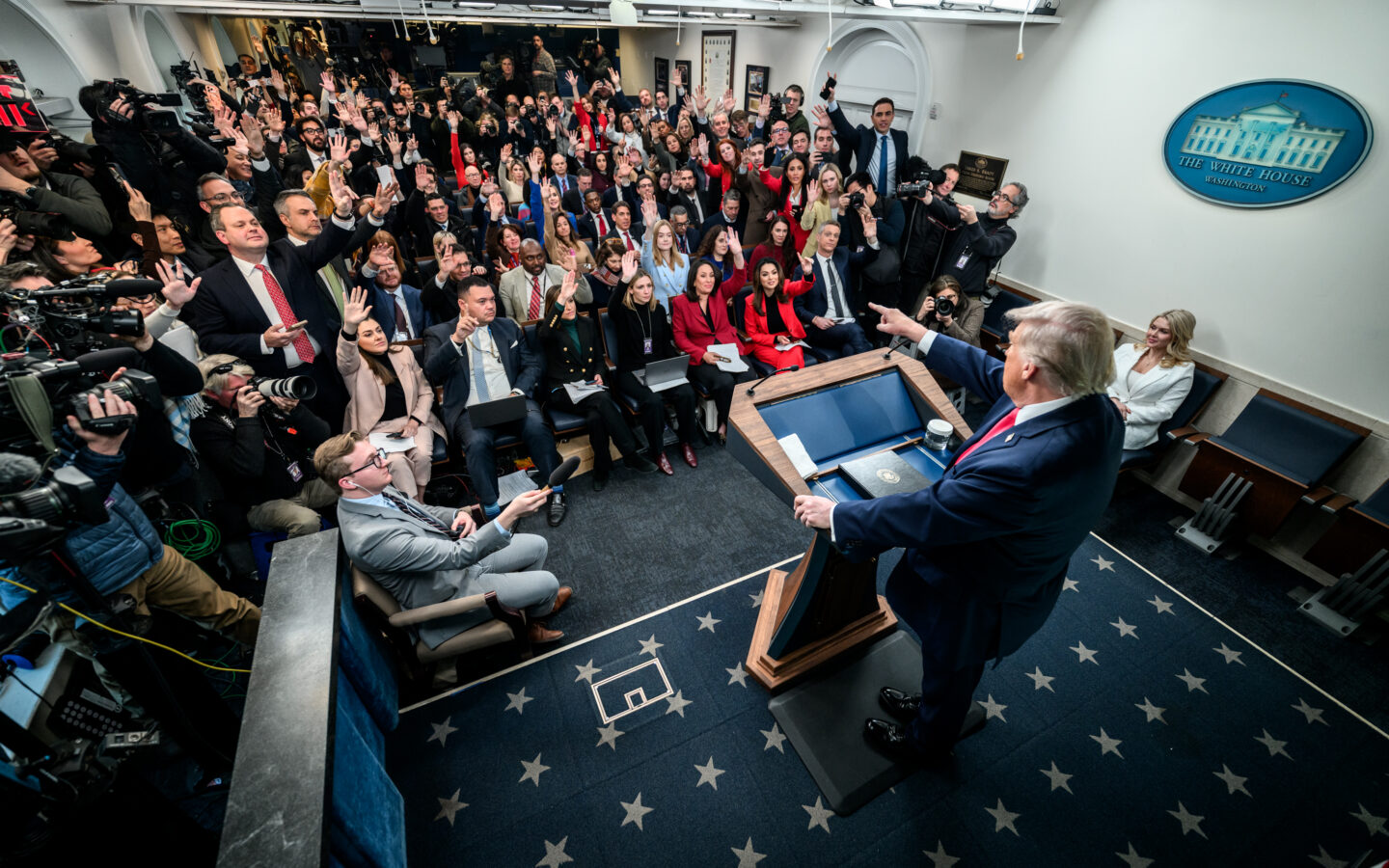
Reporters from CNN, MS NOW and Politico were denied entry to the White House on Saturday, one day after President Donald Trump announced that the three news organizations would be barred from the complex.
The outlets said journalists attempting to enter the White House had their credentials disabled or confiscated. The move turns a presidential announcement made Friday into an active restriction on access for reporters covering the administration.
Reporters turned away at White House checkpoints
Associated Press, Reuters and CBS News separately reported that journalists from the three organizations were prevented from entering White House grounds. CNN senior White House reporter Betsy Klein, MS NOW correspondent Akayla Gardner and Politico reporter Cheyenne Haslett were among those affected.
Trump said on social media that he was banning the outlets because he objected to their coverage, repeatedly describing their reporting as “fake news.” The three organizations rejected the characterization and said the restrictions raised serious First Amendment concerns.
CNN called the action unlawful and said it would continue reporting on the administration. MS NOW said it would defend the ability of its journalists to work independently, while Politico said it stood behind its White House reporting team.
Legal questions are likely to follow
The dispute is expected to focus on whether the government can revoke access in response to coverage the president dislikes. News organizations and press-freedom groups argue that viewpoint-based retaliation against journalists conflicts with constitutional protections for a free press.
The White House has broad authority over security and access to the presidential complex, but that authority has previously faced court scrutiny when individual reporters were excluded. Earlier disputes involving White House credentials have produced litigation over due process and the government’s ability to restrict press access.
No court has yet ruled on the legality of Saturday’s action, and the affected outlets have not all announced specific legal filings. For now, the immediate effect is practical: reporters from the three organizations are continuing to cover the presidency from outside the White House grounds and through other reporting channels.
A wider dispute over media access
The episode comes amid a broader confrontation between Trump and several major news organizations. The president has frequently criticized outlets he considers hostile, while journalists and media groups have argued that access decisions should not be used to reward favorable coverage or punish critical reporting.
Saturday’s enforcement of the ban marks a new stage in that conflict because it directly affects day-to-day physical access to the White House. Further developments are likely to depend on whether the restrictions remain in place, expand to additional outlets or are challenged in federal court.
Sources: Associated Press; Reuters; CBS News; statements from the affected news organizations as reported by those outlets.