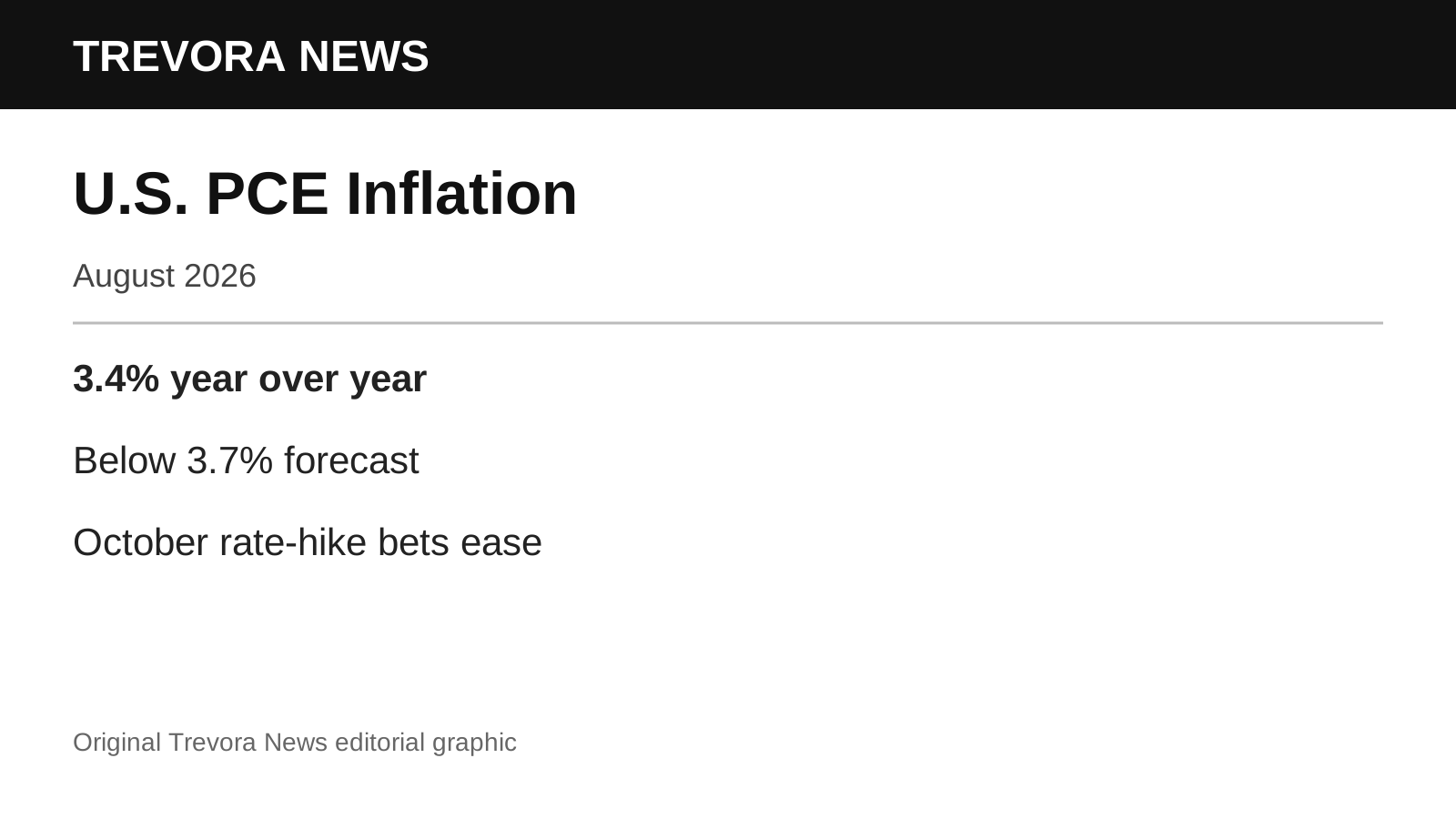
U.S. inflation came in softer than expected in August, easing pressure on the Federal Reserve to raise interest rates again as soon as October.
The Personal Consumption Expenditures price index rose 3.4% from a year earlier, below the 3.7% increase economists had expected, according to Commerce Department data cited by Reuters.
Markets cut October rate-hike expectations
The inflation surprise quickly changed market pricing. Reuters reported that the implied probability of an October rate increase fell to about 38%, from more than 50% before the data.
The Nasdaq rose more than 1% around midday, while the S&P 500 gained about 0.6%. The Dow was little changed to slightly lower as investors rotated toward large technology stocks and other rate-sensitive sectors.
Fed now has more room to wait
The softer PCE reading followed comments from New York Fed President John Williams, who said there was no urgency to raise rates again immediately. Williams suggested policymakers could take a measured approach while waiting for more inflation and labor-market data.
The Federal Reserve recently raised its benchmark target range to 3.75%-4.00%. Most policymakers have continued to signal that one additional increase this year remains possible, but the timing is now less certain.
Quarter-end markets remain volatile
The September inflation report arrived as Treasury yields remained near multi-year highs and investors continued to weigh strong nominal growth against signs of strain in consumer confidence and hiring.
The next major inputs for the Fed will include employment data, wage growth and further inflation reports before the October policy meeting.
Sources: Reuters; U.S. Bureau of Economic Analysis release schedule and Personal Income and Outlays data.