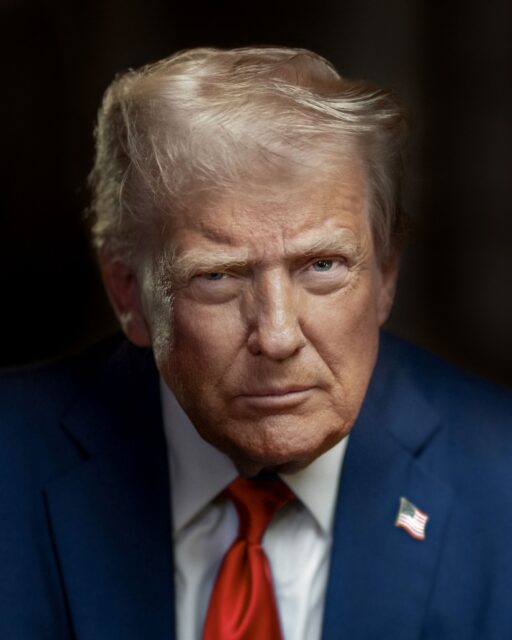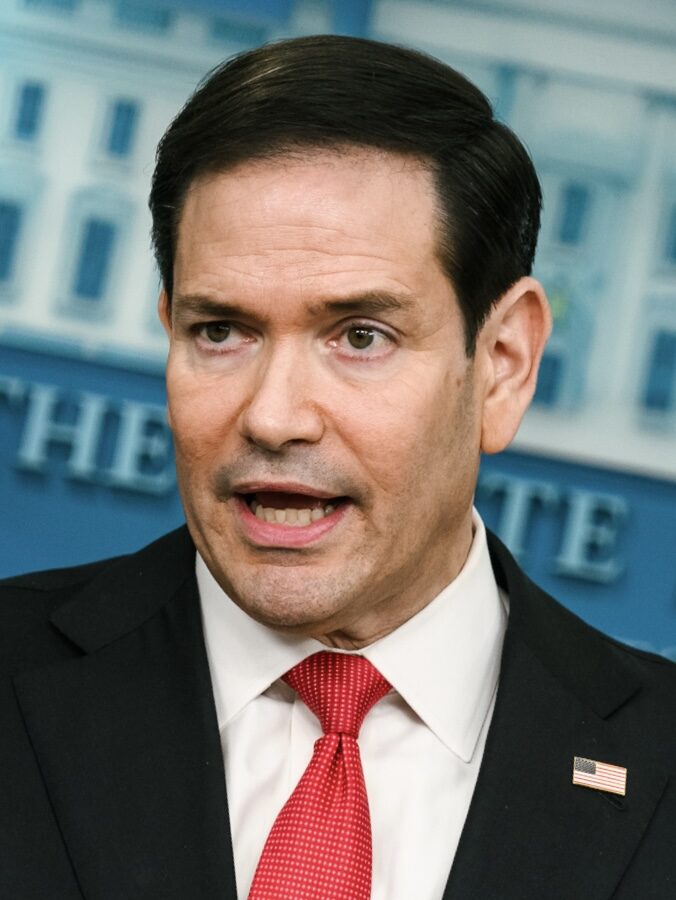
U.S. President Donald Trump will use up to 60 days to assess the economic impact of sanctions and tariffs targeting Russia after waiving measures that had been due to take effect next week, Secretary of State Marco Rubio said. The review comes as Washington tries to balance pressure on Moscow with rising fuel costs and broader economic concerns ahead of the November midterm elections. Ukraine has sharply criticized the decision, warning that easing pressure could encourage Russia to prolong the war.
The Graham Act was designed to raise pressure
The sanctions and tariff package stems from the Graham Act, legislation intended to punish Russia and countries that continue buying Russian energy. It was designed to increase the cost of financing Moscow’s war in Ukraine.
Trump signed an executive order waiving key provisions just before they were scheduled to take effect.
Rubio says economic impact needs more study
Rubio told reporters that the administration wants time to assess what the sanctions would mean for both the global economy and the U.S. economy. The review could last up to 60 days.
The concern is that aggressive restrictions on Russian energy could tighten global fuel supply at a time when Middle East instability is already pushing prices higher.
Energy prices are politically sensitive
Fuel costs are a major domestic political issue in the United States. High gasoline and diesel prices affect household budgets, transport costs and inflation expectations.
With midterm elections approaching, any policy that risks pushing energy prices higher carries political consequences.
Ukraine sees the waiver differently
President Volodymyr Zelenskiy has argued that reducing sanctions pressure rewards Moscow and could prolong the war. Kyiv wants the United States to use economic leverage alongside military support.
The disagreement is part of a wider deterioration in U.S.-Ukraine relations over energy strikes, sanctions and the future of American assistance.
The policy also affects third countries
The Graham Act includes penalties for countries that buy Russian oil and gas. That makes the policy important for large energy importers such as India.
Washington must weigh pressure on Russia against the risk of damaging relations with partners whose economies still depend on Russian supplies.
The diesel deal adds another layer
Rubio also defended a U.S.-Russia arrangement to increase diesel supplies. Trump has said initial volumes could exceed 300,000 metric tons, with additional shipments later.
The administration argues that the fuel would enter global markets regardless and that securing supply can help lower prices.
Critics say the approach sends mixed signals
Supporters of tougher sanctions argue that buying more Russian fuel while waiving penalties weakens the credibility of U.S. pressure.
They also worry that additional energy revenue could support Moscow’s war budget.
Trump has not announced a final decision
Trump told reporters that the final policy remains under review. The 60-day period therefore creates uncertainty for energy traders, Russian exporters and countries potentially exposed to secondary tariffs.
Companies may delay transactions or seek legal guidance until the administration clarifies the rules.
Markets will watch oil and diesel prices
The economic case for the waiver depends partly on whether it materially reduces fuel prices. If oil and diesel remain expensive, political pressure for a different approach may increase.
If prices fall, the administration may argue that flexibility achieved the intended consumer benefit.
The next two months could reshape U.S. Russia policy
The review period runs across the final stretch of the midterm campaign, making timing important. A final decision could affect sanctions enforcement, global energy trade and Washington’s relationship with Kyiv.
What began as a technical waiver has therefore become a broader test of how the Trump administration balances geopolitical pressure with domestic economic priorities.
Sources
- U.S. State Department remarks by Marco Rubio
- White House executive order
- Reuters, Oct. 18, 2026
Secondary sanctions are the hardest part of the decision
Direct restrictions on Russian companies are relatively straightforward compared with penalties on banks, refiners or governments in third countries that continue purchasing Russian energy. Secondary measures can force companies to choose between access to the U.S. financial system and trade with Russia. That gives Washington significant leverage but also risks diplomatic disputes with major partners.
India is a particularly important case because it has increased purchases of discounted Russian crude while deepening strategic ties with the United States. A rigid tariff regime could complicate cooperation in technology, defense and the Indo-Pacific.
The review creates an option for escalation later
A 60-day delay does not permanently remove the sanctions threat. The administration can use the review period as bargaining leverage, signaling that tougher penalties remain available if Moscow does not change course. Whether that strategy works will depend on how Russia interprets the waiver and whether energy-market conditions improve.
For Ukraine, the risk is that temporary flexibility becomes lasting policy. Kyiv will therefore use the review period to argue that economic pressure should be increased rather than diluted, especially if battlefield or energy-infrastructure attacks continue.