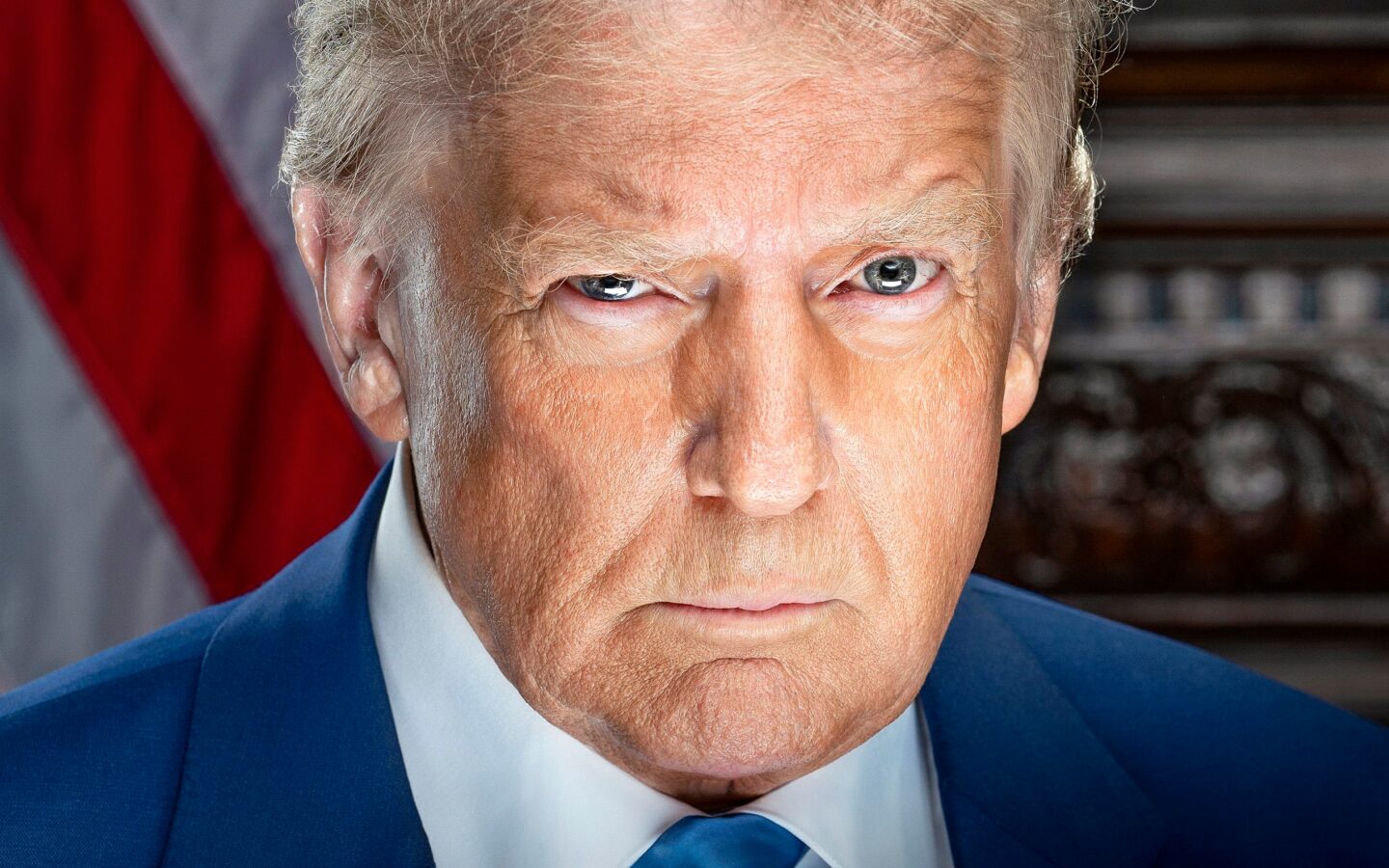
U.S. President Donald Trump used his address to the United Nations General Assembly on Tuesday to put Iran, international institutions and American military power at the center of his foreign-policy message.
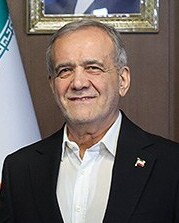
Speaking in New York as world leaders opened the high-level general debate, Trump said the United States remained in contact with Iran and argued that Tehran must not obtain a nuclear weapon. Reuters reported that he warned of overwhelming U.S. force if diplomacy failed, while later comments from Trump indicated that talks were continuing and that he believed a settlement could still be reached.
Iran diplomacy paired with a threat of force
The speech combined two tracks that have defined Washington’s current approach to Iran: continued negotiations and explicit military pressure. Trump said his administration was prepared to pursue an agreement but framed the nuclear issue as a non-negotiable security demand.
That combination matters for energy markets and regional security because the conflict around Iran and the Strait of Hormuz has kept oil prices volatile. Diplomatic signals have recently helped ease some of that pressure, but the risk of renewed confrontation remains high.
Broader criticism of international bodies
Trump also renewed criticism of international institutions and legal bodies that he argues constrain U.S. sovereignty. His administration has clashed with the International Criminal Court and has repeatedly pressed the United Nations and allied governments to carry a greater share of financial and security burdens.
The remarks came during the opening day of the 81st UN General Assembly’s general debate. The United Nations says the high-level debate runs from September 22 through September 28, bringing heads of state and government to New York for a week dominated by wars, artificial intelligence, energy security and climate policy.
A crowded week of diplomacy
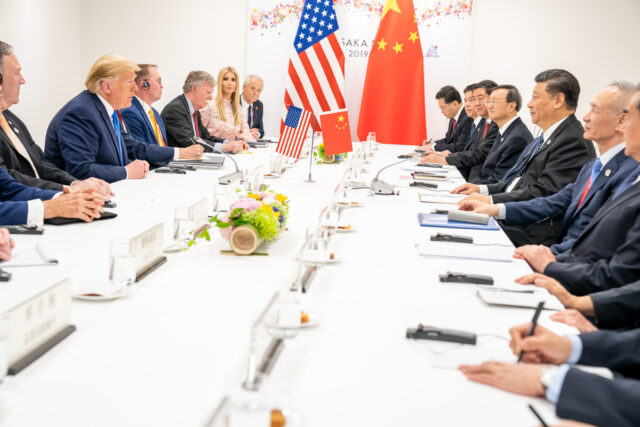
Trump’s UN schedule also includes bilateral meetings with foreign leaders. Separate reporting has highlighted discussions involving the United Kingdom, Ukraine, Iran and China, putting several major geopolitical files on the same diplomatic calendar.
The immediate test will be whether the administration’s public pressure on Iran is matched by measurable progress in negotiations. For now, Trump’s message at the UN was deliberately dual-track: the United States says diplomacy remains open, but it is pairing that offer with a warning that it is prepared to use its military advantage if talks collapse.
Sources: Reuters reporting from September 22, 2026; United Nations General Assembly 81st-session schedule and general-debate materials. Image credit: Daniel Torok / U.S. government via Wikimedia Commons, public domain.