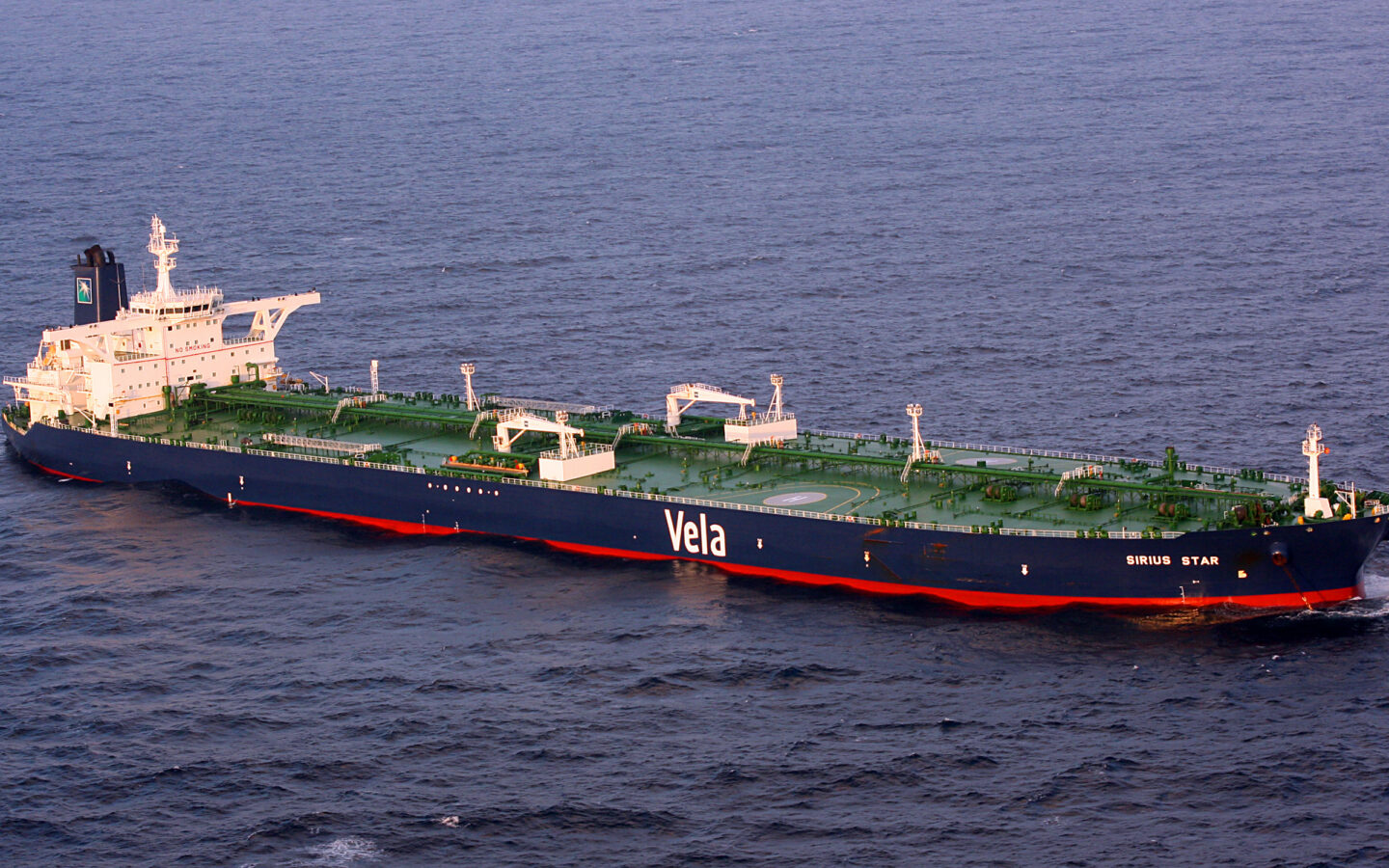
The cost of shipping crude on the world’s largest tankers fell from record highs this week, but rates remain elevated enough to keep pressure on oil prices and global inflation. Very Large Crude Carrier rates from the Gulf of Oman to China declined on the Baltic Exchange’s Worldscale measure after a surge driven by conflict risk, vessel shortages and disrupted Middle East trade flows.
Rates fell, but not back to normal
The Gulf of Oman-to-China route dropped to roughly 776 on the Worldscale basis from 841 a week earlier. The previous level was the highest since the benchmark was introduced.
Even after the decline, shipping costs remain far above historical norms.
Conflict drove the earlier spike
The U.S.-Israel conflict with Iran and repeated attacks on vessels increased insurance costs and reduced the number of ships willing to operate in high-risk areas.
Owners demanded much higher compensation for taking vessels near threatened routes.
Demand has softened slightly
Analysts said lower Middle East export volumes reduced demand for some tanker routes. When fewer cargoes need transport, competition for available ships eases.
That dynamic helped pull rates down from the peak.
Shadow-fleet sanctions are another factor
The Trump administration has discussed the possibility of easing sanctions on some so-called shadow-fleet tankers. If more ships return to legal trade, the available pool of vessels could increase.
More capacity would normally push freight rates lower.
Ship-to-ship transfers remain common
Security concerns around the Strait of Hormuz have increased the use of ship-to-ship transfers to move oil through or around risky areas.
Those operations require additional vessels and create logistical complexity, supporting tanker demand even when direct export volumes fall.
Consumers ultimately pay part of the bill
Freight is a component of the delivered price of crude. When shipping costs rise sharply, refiners and traders pass some of that expense through the supply chain.
The effect eventually reaches fuel prices, airline costs and goods transported by truck or ship.
Import-dependent economies are most exposed
Countries in Asia that rely heavily on imported crude are particularly vulnerable because they pay both the higher commodity price and the higher freight bill.
A weaker local currency can magnify the impact.
Tanker owners have enjoyed extraordinary earnings
During the peak, some tanker owners were earning daily rates far above normal levels. That improves cash flow and can support higher ship values.
But tanker markets are cyclical, and rates can fall quickly if trade routes normalize or more vessels become available.
New ship supply is limited in the near term
Building a VLCC takes time, and shipyards have limited capacity. That means the market cannot quickly respond to a sudden shortage of vessels.
This supply constraint is one reason geopolitical disruptions have such a large effect on freight.
Shipping remains a key inflation channel
Central banks usually focus on oil prices themselves, but transportation costs can amplify the inflation effect of an energy shock.
Friday’s decline in tanker rates is therefore welcome, yet the broader message is still uncomfortable: global energy logistics remain expensive, fragile and unusually sensitive to security headlines.
Sources
- Baltic Exchange tanker data
- Reuters, Oct. 16, 2026