The U.S. Senate voted 74-24 on September 15 to advance the Protect College Sports Act, moving a bipartisan overhaul of college athletics closer to a final Senate vote.
The vote was on cloture for the motion to proceed, a procedural step that allows the chamber to begin formal consideration of the legislation. The measure, S. 4668, is sponsored by senators from both parties and is intended to create a national framework for name, image and likeness compensation, revenue sharing, athlete transfers and eligibility rules.
What the bill would change
The legislation would codify athletes’ rights to earn NIL compensation while also establishing federal rules around school revenue sharing and the certification of certain endorsement arrangements. Supporters say a single national system would reduce the patchwork of state laws and court rulings that currently govern college sports.
The revised bill also includes scholarship and health-care protections, limits on certain transfers and eligibility, and provisions aimed at protecting women’s and Olympic sports. Sponsors argue the changes would give athletes clearer rights while giving schools and conferences more predictable rules.
Why critics object
Opposition has focused heavily on athlete labor rights and antitrust protections. The AFL-CIO, athlete advocates and several lawmakers argue the bill would give the NCAA and schools too much control over compensation and working conditions without requiring collective bargaining with athletes.
Senator Chris Murphy, one of the bill’s most vocal critics, has argued that the legislation would preserve a system in which schools and conferences hold disproportionate power. Supporters reject that characterization and say the bill creates enforceable rights and financial protections for athletes.
The 74-24 vote does not mean the legislation has passed the Senate. Additional votes are still required before any measure could move to the House of Representatives.
Sources: U.S. Senate roll call; Senate Commerce Committee; AFL-CIO.
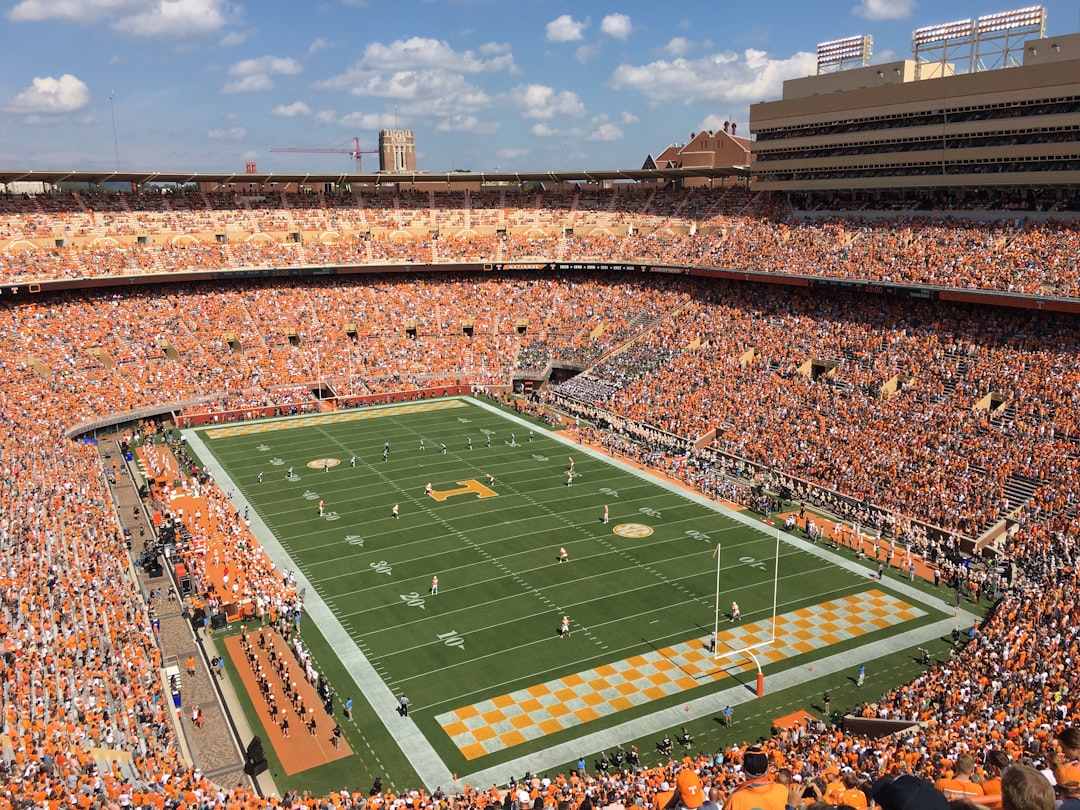
Photo: Steve DiMatteo / Unsplash.