Russia’s three-day parliamentary election is entering its final day on Sunday, marking the country’s first State Duma vote since the full-scale invasion of Ukraine began in 2022.
More than 111 million voters are eligible to take part, according to Associated Press reporting. Voting has been spread across three days and includes electronic ballots in some regions. Preliminary results are expected after polling closes on Sunday evening.
The war in Ukraine hangs over the vote
President Vladimir Putin has presented the election as an opportunity for citizens to demonstrate national unity during the war. Reuters reported that the Kremlin has framed the vote as evidence of public support for the state and the military campaign.
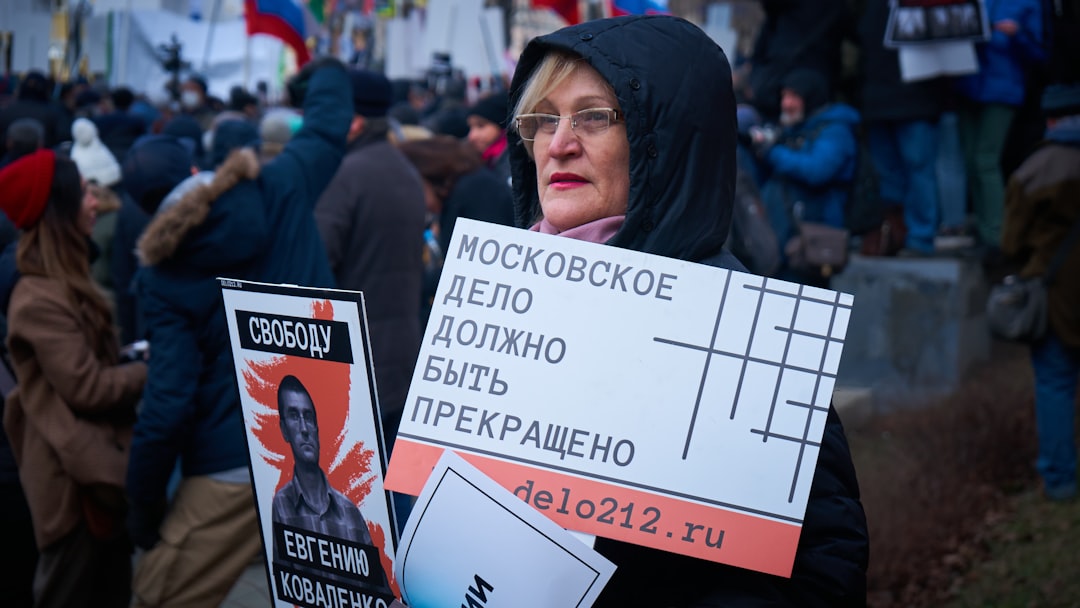
Critics of the government dispute that interpretation, pointing to the limited space for anti-war political activity and the exclusion or prosecution of many opposition figures. The liberal Yabloko party, which has criticized the war, was removed from the nationwide party ballot after a Supreme Court ruling, although some of its candidates have continued to run in individual constituencies.
Because of those restrictions, the election is taking place in a political environment very different from a competitive multiparty contest in which all major viewpoints have comparable access to voters. Russian authorities say wartime security measures and electoral rules are necessary; opposition groups and outside critics argue they have sharply reduced political competition.
Observers report disputes at polling stations
Associated Press reported Sunday that a Yabloko election observer in St. Petersburg lost consciousness during an arrest by police after being accused of disrupting voting. The party said force was used and alleged other irregularities during the election. Those claims have not been independently established in every case.
Russia has registered hundreds of thousands of domestic observers and more than 1,000 international observers, according to AP, but monitors from the Organization for Security and Cooperation in Europe were not invited. The absence of OSCE monitoring has drawn criticism from election-rights groups and Western governments.
Cyberattack claims and disputes beyond Russia’s borders
Russian authorities also said online voting systems and communications infrastructure were targeted by cyberattacks during the second day of voting. Officials blamed hostile actors and President Putin accused Ukraine of trying to disrupt the election. Reuters noted that evidence supporting some of those accusations had not been publicly presented.
The election has also generated a diplomatic dispute with Moldova over polling stations opened in the Russian-backed separatist region of Transdniestria. Moldova’s government objected to the move and summoned Russia’s ambassador, while Moscow defended the polling arrangements as necessary for Russian passport holders.
Results will be watched for turnout and parliamentary composition
The ruling United Russia party currently holds a large majority in the State Duma. Rather than assuming the final outcome before votes are counted, the clearest measures to watch Sunday night will be official turnout, the party vote shares and the distribution of parliamentary seats once preliminary results are released.
Sources: Reuters; Associated Press; public statements from Russian election authorities as reported by those outlets.
Photo credit: Valery Tenevoy / Unsplash.