Iranian officials say Tehran sees little political incentive to break its current diplomatic stalemate with the United States before the November 3 midterm elections, prolonging a crisis that has disrupted energy markets and kept the Strait of Hormuz at the center of global security concerns. Reuters reported that senior Iranian figures believe a deal now could strengthen President Donald Trump politically while exposing Tehran to the risk that Washington might later reverse course.
Distrust is driving the strategy
Iranian officials cited years of broken agreements and renewed military confrontation as the main reason for resisting rapid negotiations. Tehran’s leadership remains skeptical that any U.S. commitment would survive changes in political pressure or administration policy.
That distrust has hardened since U.S. and Israeli strikes on Iran earlier in 2026 pushed the region into a prolonged conflict.
Tehran has set preconditions
Iran has demanded sanctions relief and an end to hostilities before returning to substantive nuclear negotiations. It has also linked talks to maritime conditions around the Strait of Hormuz, which remains one of the world’s most important oil-shipping corridors.
Qatar has continued to act as an intermediary, while Pakistan has also increased diplomatic engagement with Tehran.
The U.S. midterms have entered the calculation
Iranian officials told Reuters they believe high energy prices and the war are hurting Trump’s domestic standing. Delaying an agreement until after the election could therefore reduce Washington’s leverage, in Tehran’s view.
That makes the timing of diplomacy unusually connected to U.S. electoral politics.
Iran is also paying a high economic price
The strategy is not cost-free for Tehran. Inflation remains severe, oil exports have been disrupted, and restrictions on trade and finance continue to weigh on the Iranian economy.
A prolonged confrontation risks worsening those pressures even if it creates short-term political leverage.
Hormuz is the key bargaining chip
Roughly a fifth of global oil and gas trade historically passed through the Strait of Hormuz. The conflict has accelerated efforts by Gulf states to build alternative pipelines and ports, but those routes cannot fully replace the strait in the near term.
Iran’s ability to influence shipping therefore remains one of its strongest strategic tools.
Regional governments are trying to contain escalation
Qatar, Pakistan and other states have pushed for de-escalation because prolonged conflict threatens energy infrastructure, aviation and trade across the Gulf.
Pakistan’s army chief is expected in Tehran as part of those efforts, while Qatar has maintained communication with both Washington and Iranian officials.
Washington faces competing priorities
The U.S. wants to limit Iran’s nuclear capabilities and regional military influence while also preventing another spike in oil and fuel prices. Those goals can pull policy in opposite directions.
Military pressure may strengthen negotiating leverage, but it can also push energy prices higher and make Iran less willing to compromise.
Iran’s public message still leaves room for diplomacy
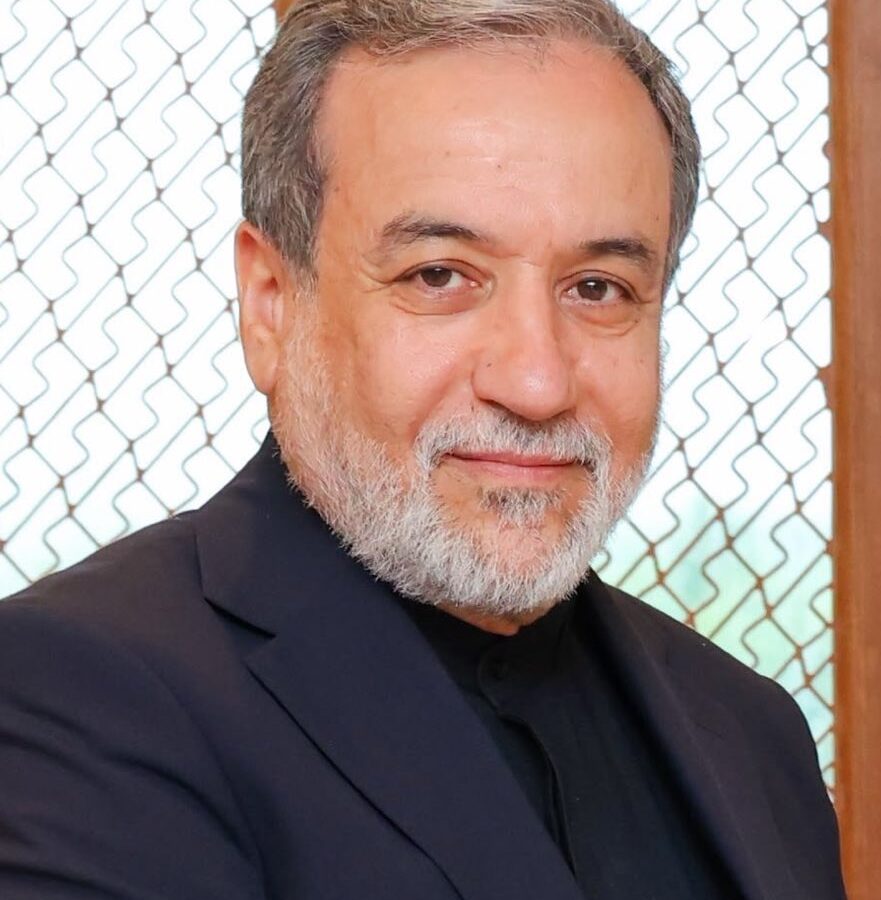
Foreign Minister Abbas Araqchi has continued to describe diplomacy as the preferred long-term route, even while blaming Washington for instability around Hormuz.
That gap between public openness and private reluctance suggests the issue is timing and terms rather than a complete rejection of negotiations.
A quick grand bargain looks unlikely
Neither side appears ready to make the concessions required for a broad agreement. Tehran wants sanctions relief and security guarantees; Washington wants nuclear restrictions and greater regional restraint.
The longer the stalemate lasts, the more difficult it becomes to separate the nuclear file from shipping, sanctions, regional warfare and domestic politics.
Markets will keep reacting to diplomacy
Oil and shipping markets are treating every negotiating signal as a potential change in supply risk. A credible path toward reopening Hormuz could lower risk premiums, while another breakdown could push prices higher.
For now, the clearest signal is that Tehran does not appear to be operating under the same political timetable as Washington.
Sources
- Reuters reporting and interviews with Iranian officials, Oct. 20, 2026
- Reuters comments by Iranian Foreign Minister Abbas Araqchi, Oct. 19, 2026
- Associated Press regional security reporting, Oct. 20, 2026
Midterm timing could harden both sides
The closer the United States gets to the November election, the harder it may become for either government to make visible concessions. Trump would face criticism if an agreement appeared too favorable to Tehran, while Iranian leaders would be reluctant to hand Washington a diplomatic success that could be used in domestic campaigning.
That dynamic may make quiet technical contacts more realistic than a headline political agreement in the near term.