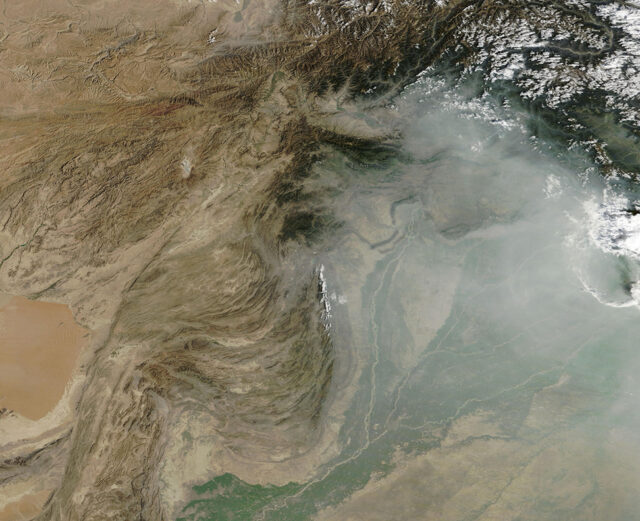

Google has signed its largest carbon-removal purchase to date, backing a Brazilian agriculture project that will tackle two different climate problems at once: methane from rice cultivation and carbon dioxide already in the atmosphere.
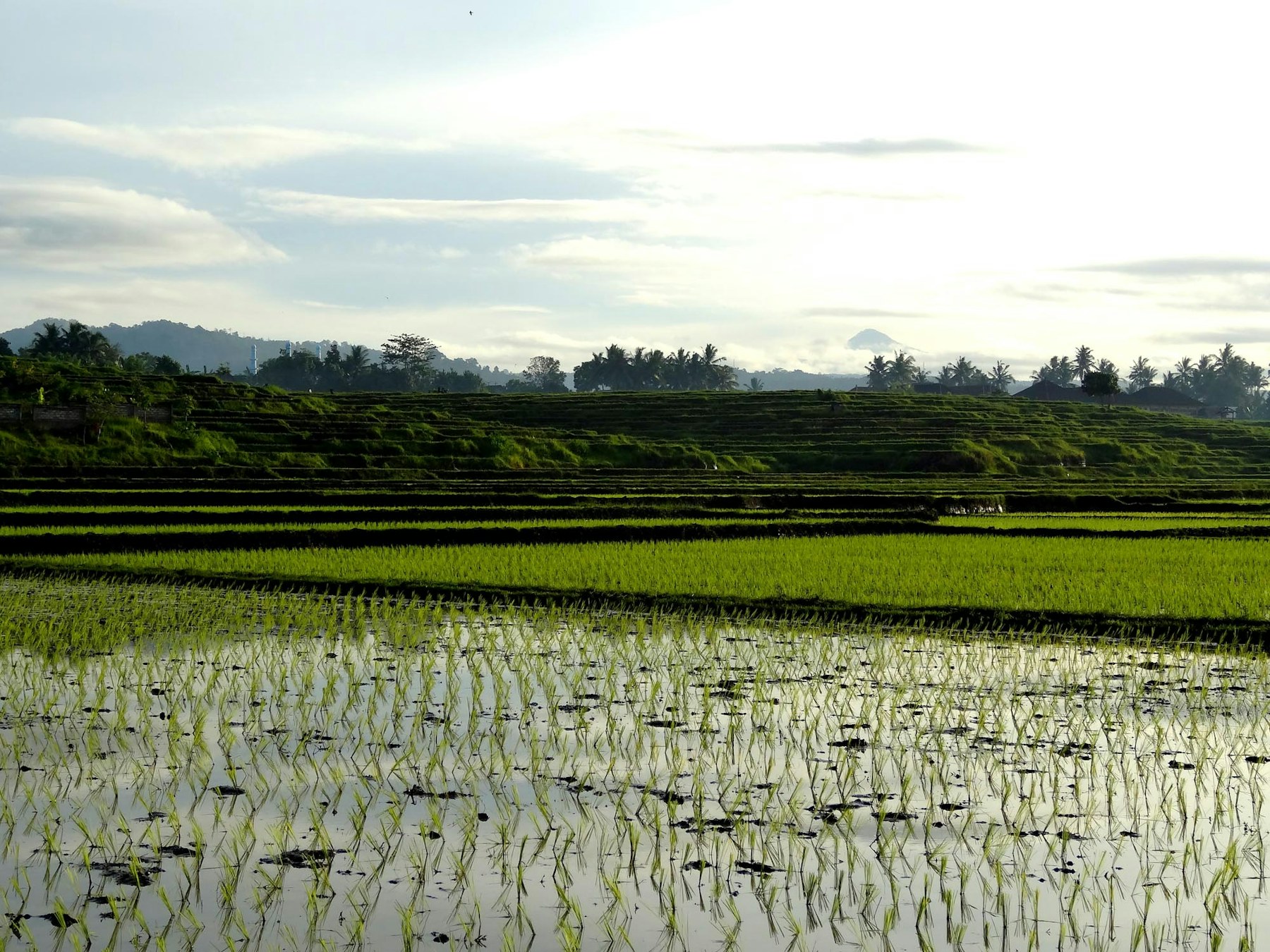
The project, developed with climate company Terradot, is planned across more than 200,000 hectares in southern Brazil. Google says it will purchase the equivalent of one million metric tons of near-term methane reduction by 2030 and one million metric tons of permanent carbon removal by 2040.
The scale makes the agreement notable, but the structure may matter even more. Instead of treating methane reduction and long-duration carbon removal as separate markets, the project is designed to deploy both approaches within the same agricultural system.
Why rice matters for methane
Flooded rice fields can create oxygen-poor conditions in which microbes generate methane, a greenhouse gas that has a powerful warming effect over shorter time horizons. Changes in irrigation practices can reduce those emissions without eliminating rice production.
The second part of the project uses enhanced rock weathering. Finely crushed rock is spread on agricultural land, accelerating natural chemical reactions that ultimately remove carbon dioxide from the atmosphere and store it in durable forms.
Terradot and Google are betting that combining the two methods can produce an immediate climate benefit from lower methane emissions while building a longer-lived carbon-removal pathway.
A test for the carbon-removal market
Corporate purchases have become an important source of financing for emerging carbon-removal technologies, particularly as companies struggle to eliminate every tonne of emissions from their own operations and supply chains.
But scaling these projects raises difficult questions around measurement, verification, durability and cost. Agricultural projects add another layer: methods have to work across large areas and with farmers whose primary business is food production, not carbon management.
AI makes the climate equation harder
The deal also arrives as rapid expansion of AI and data centers is increasing electricity demand across the technology industry. That has made corporate climate targets harder to meet and increased interest in technologies capable of removing carbon rather than only avoiding new emissions.
If the Brazilian project performs as expected, its significance could extend beyond Google’s own climate accounting. It would provide a large-scale test of whether methane abatement and durable carbon removal can share infrastructure, monitoring and agricultural partnerships without compromising the integrity of either approach.
Sources: Google project announcement; Terradot announcement; Reuters reporting, September 16, 2026.
SEO title: Google Backs Its Biggest Carbon-Removal Project in Brazil
Meta description: Google’s largest carbon-removal deal will combine methane cuts from Brazilian rice farming with enhanced rock weathering across more than 200,000 hectares.